![[personal profile]](https://www.dreamwidth.org/img/silk/identity/user.png)
Operation Gran Tofurismo: Part 3
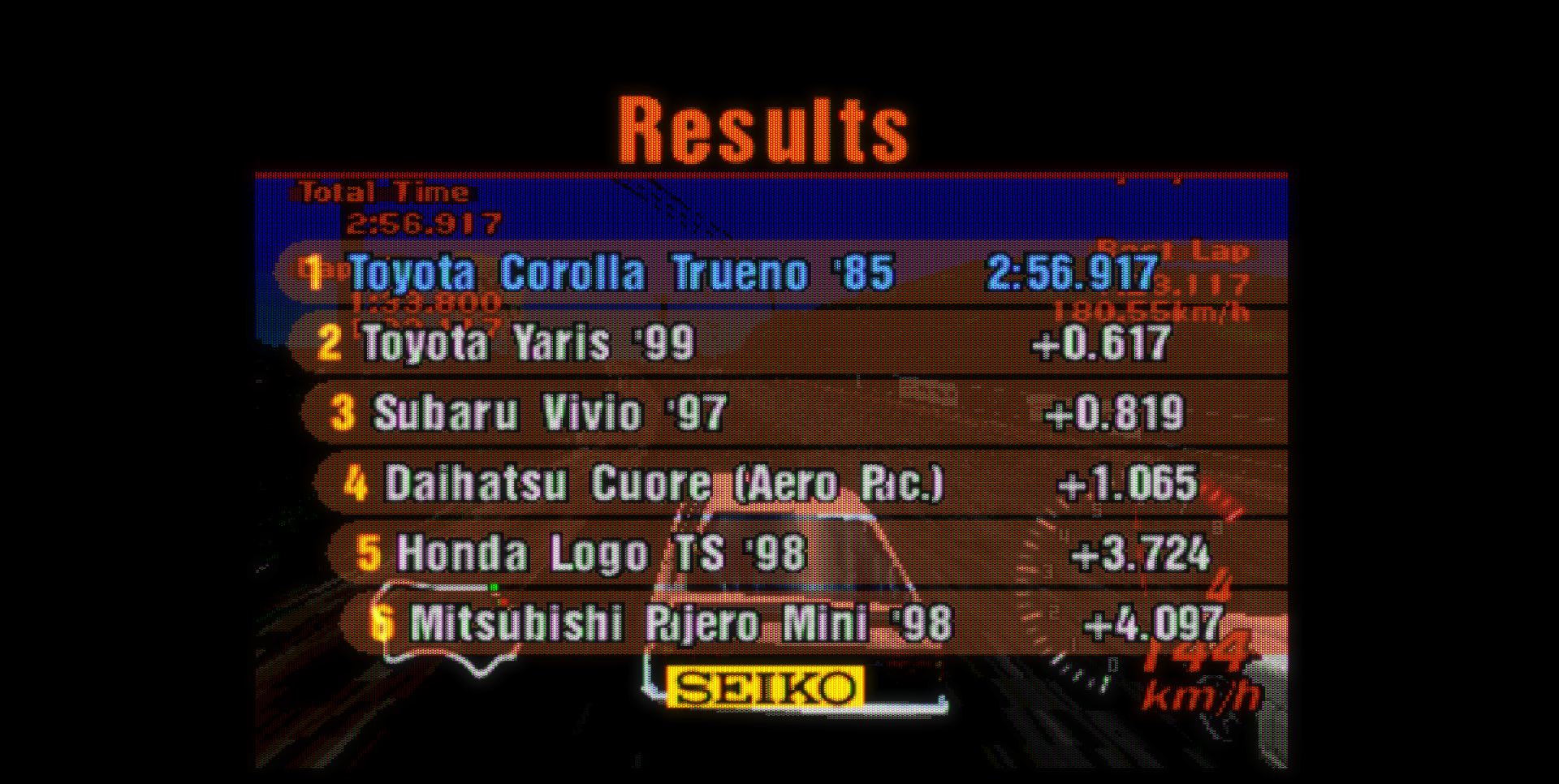
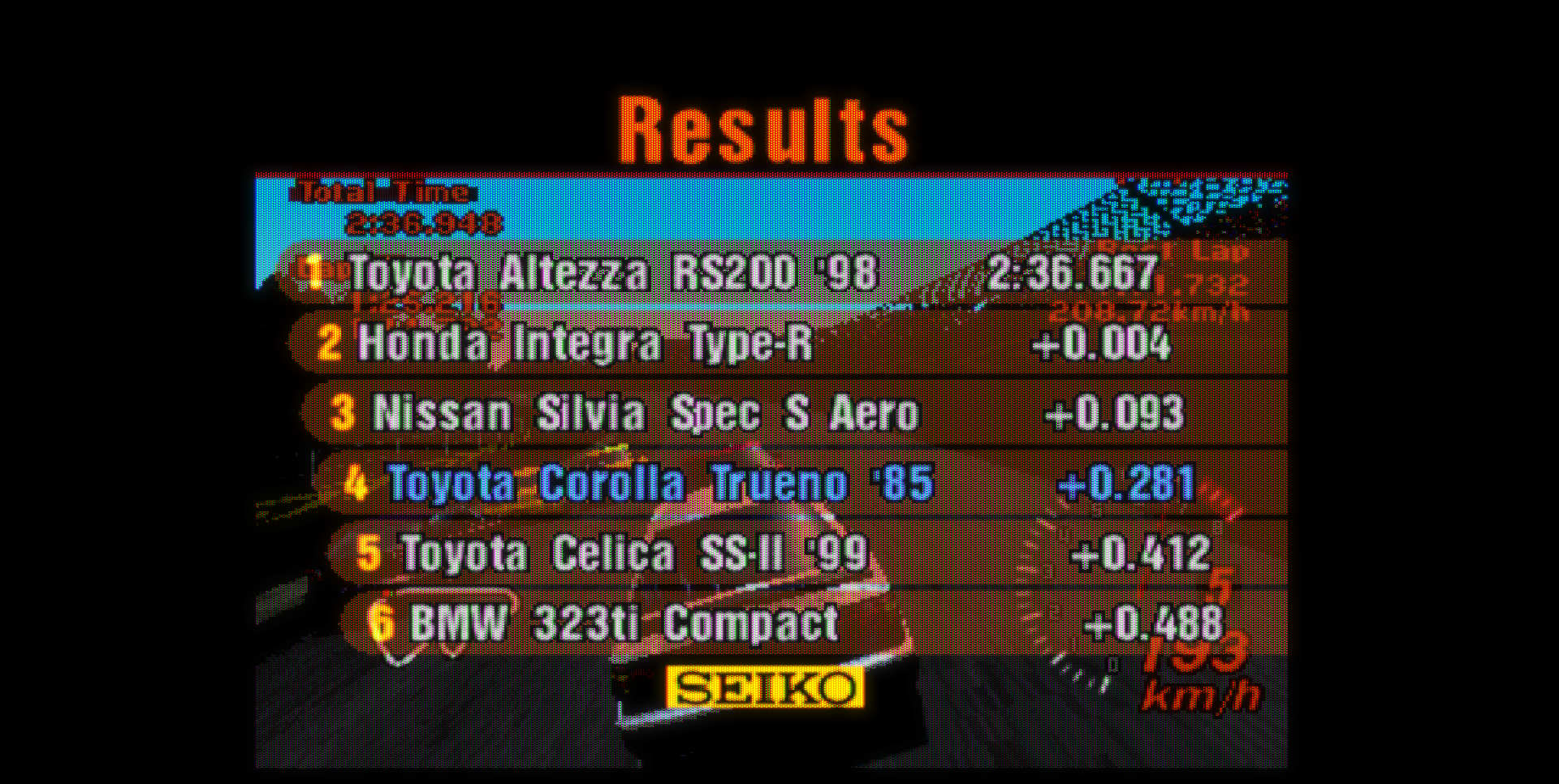
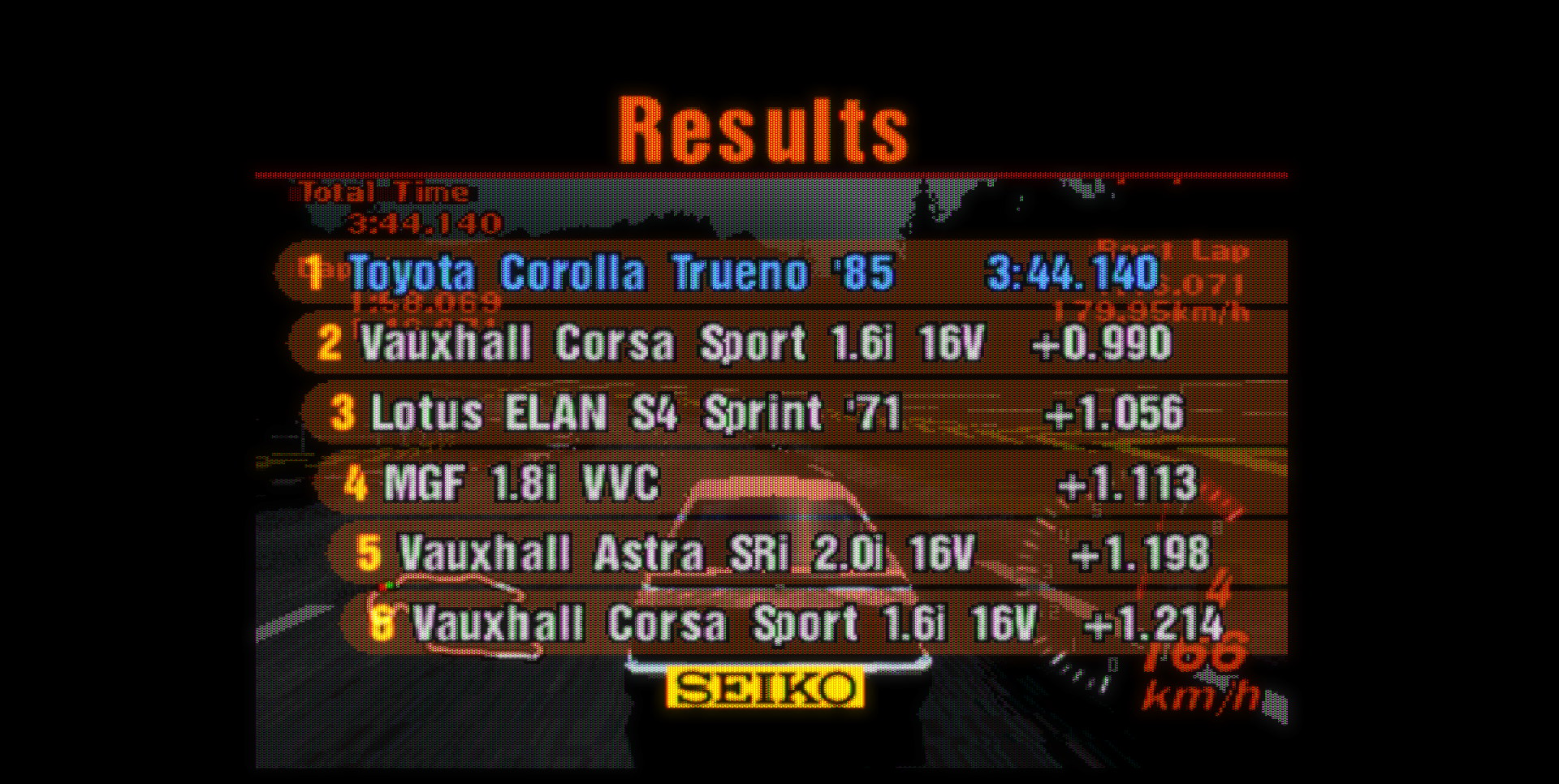
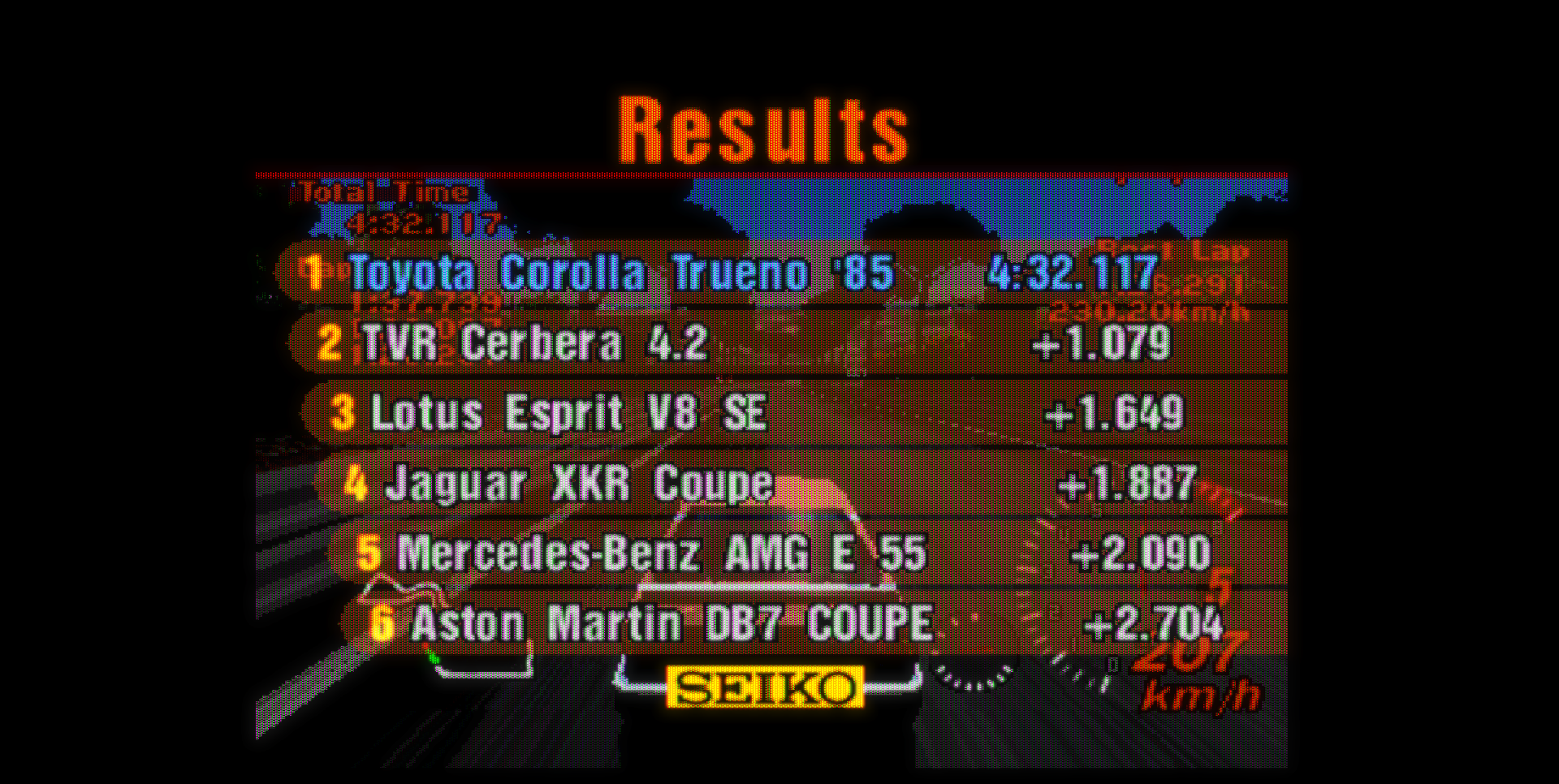
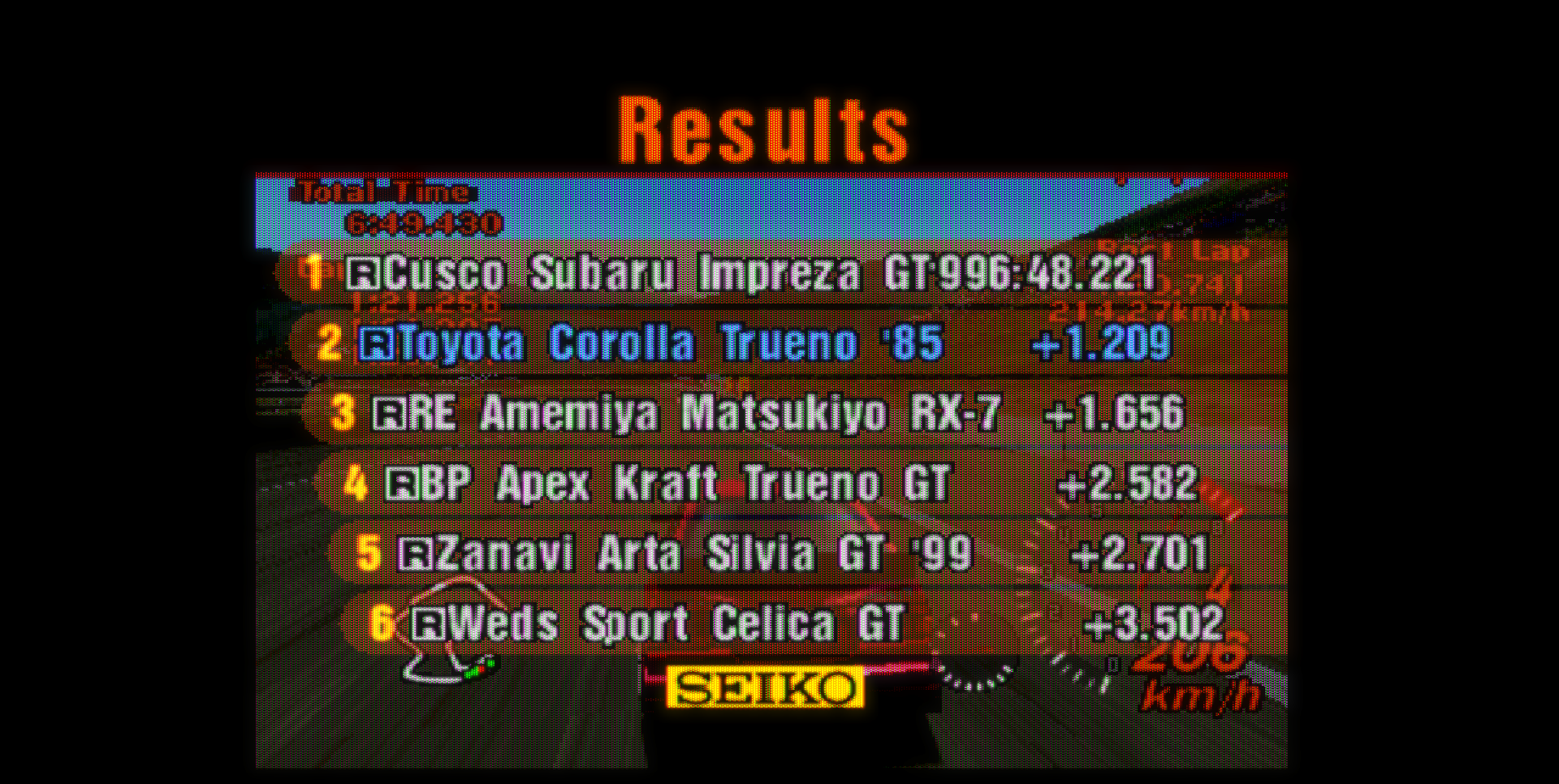
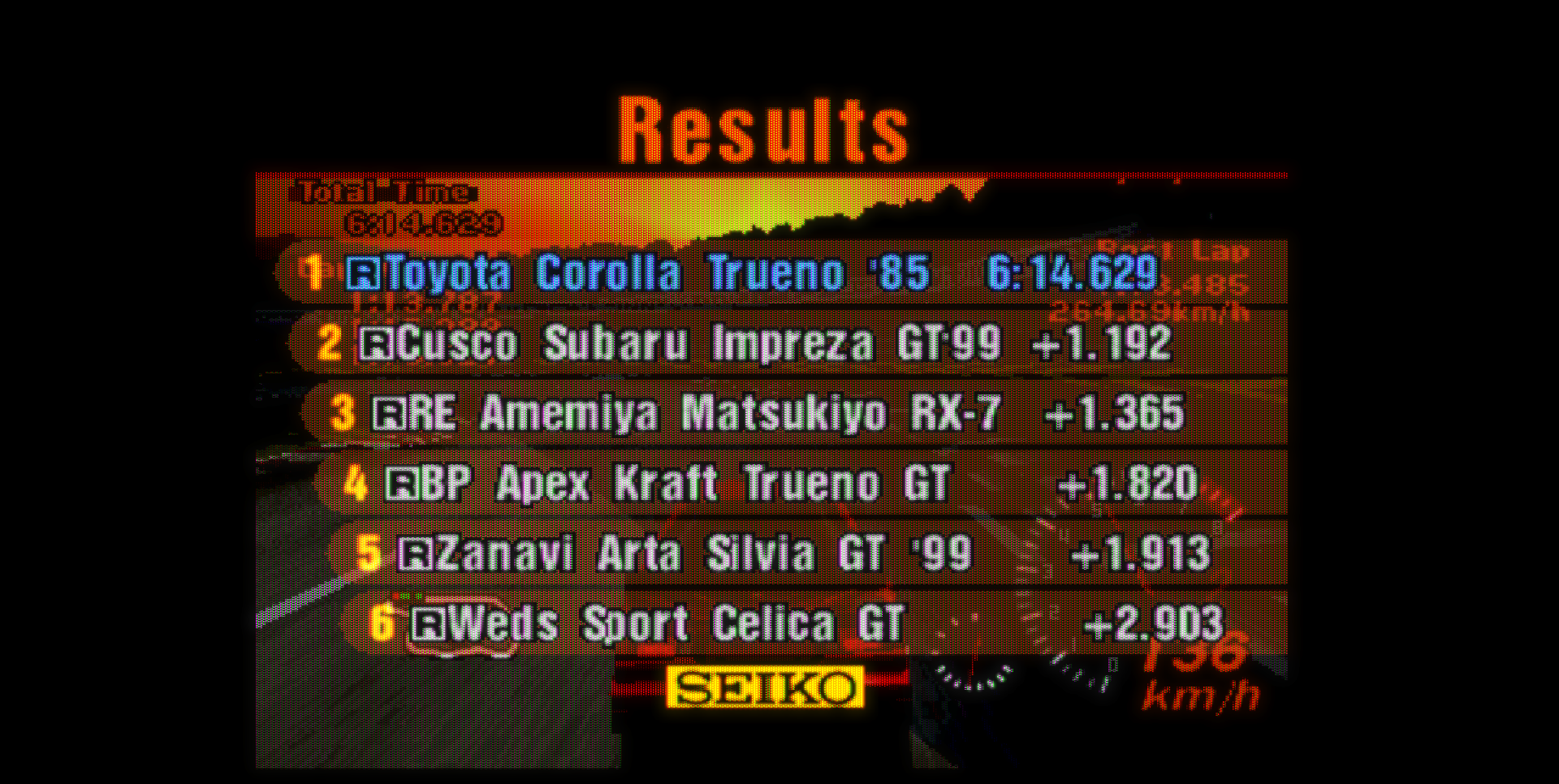
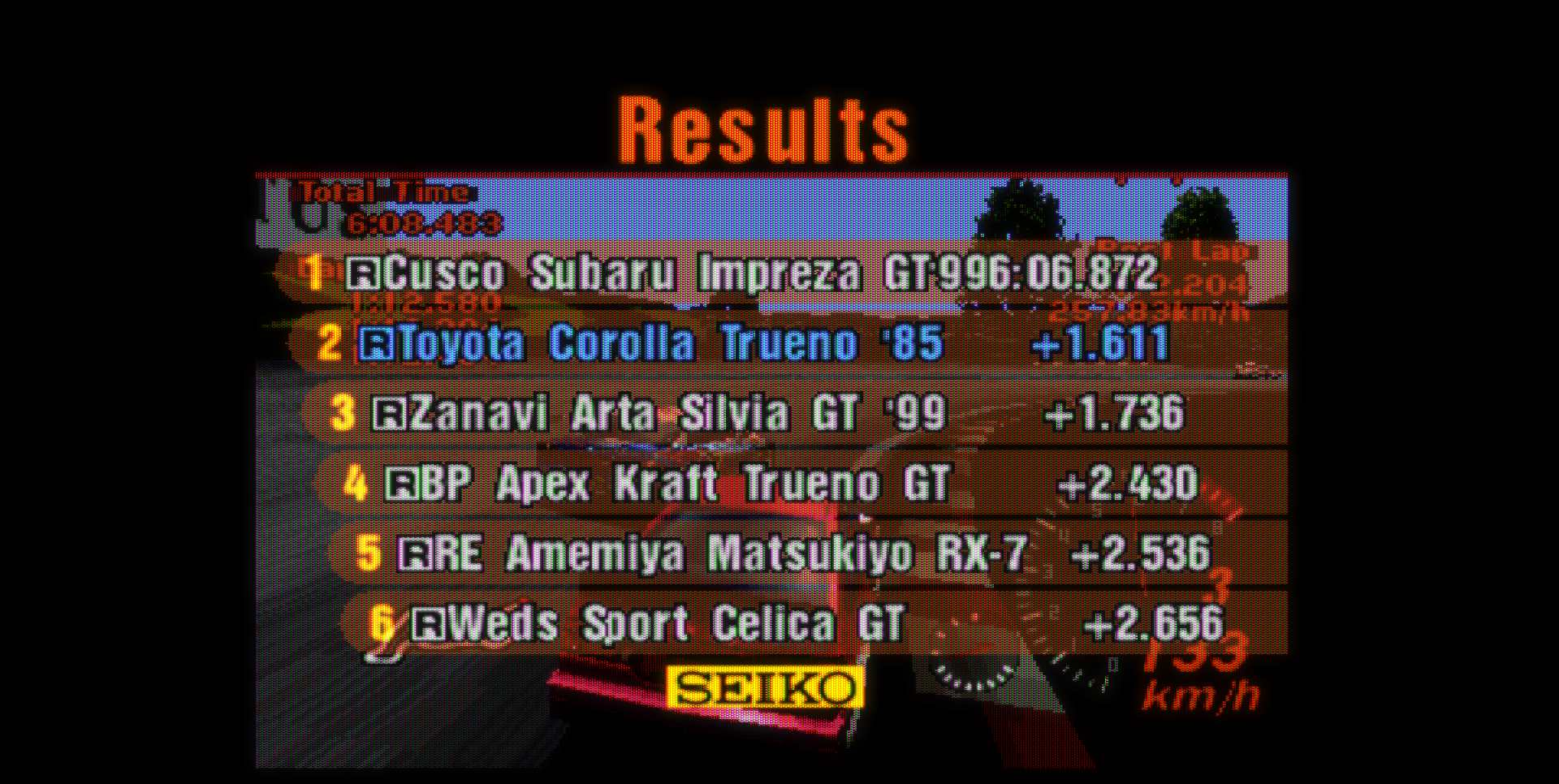
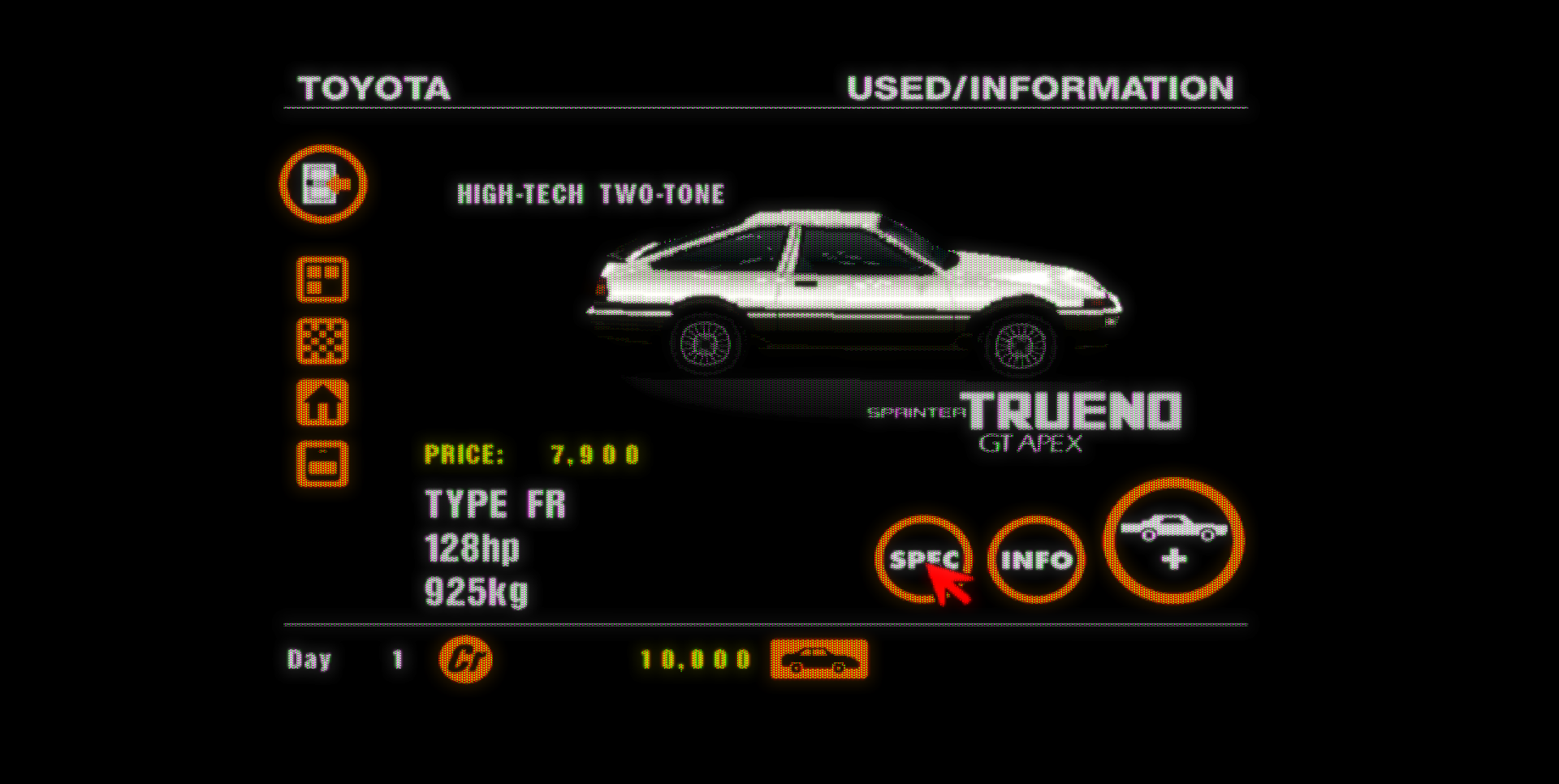
Mar. 17th, 2026 05:43 pmOver the course of the year 2000, the Playstation 2 was rolled out across the world, hitting Japanese store shelves in March and coming to the West in the autumn. Gran Turismo was a key part of the PS2's early days, with a GT tech demo shown at the console's unveiling at Tokyo Game Show '99, and there were plans for "Gran Turismo 2000" to be released not long after the PS2's lauch to serve as a taster for the "real" GT3 - as it took so much longer to develop assets for PS2 games in comparison to the PS1, it would take years to develop a game as content-rich as GT2. At some point, though, plans changed, and the game would be released as Gran Turismo 3 in April 2001 in Japan and July in the rest of the world, albeit with less than 30% of the car count of GT2.
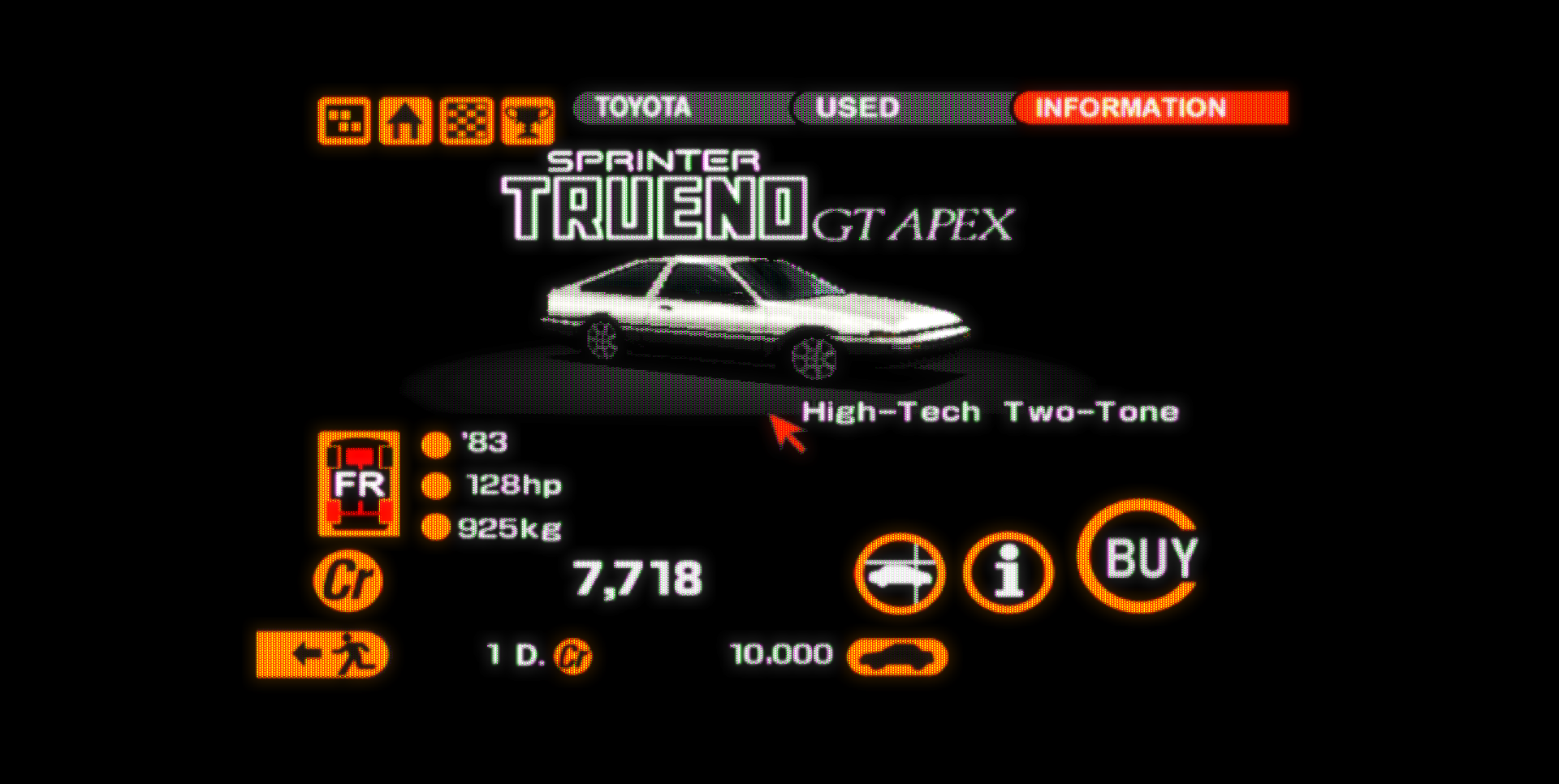
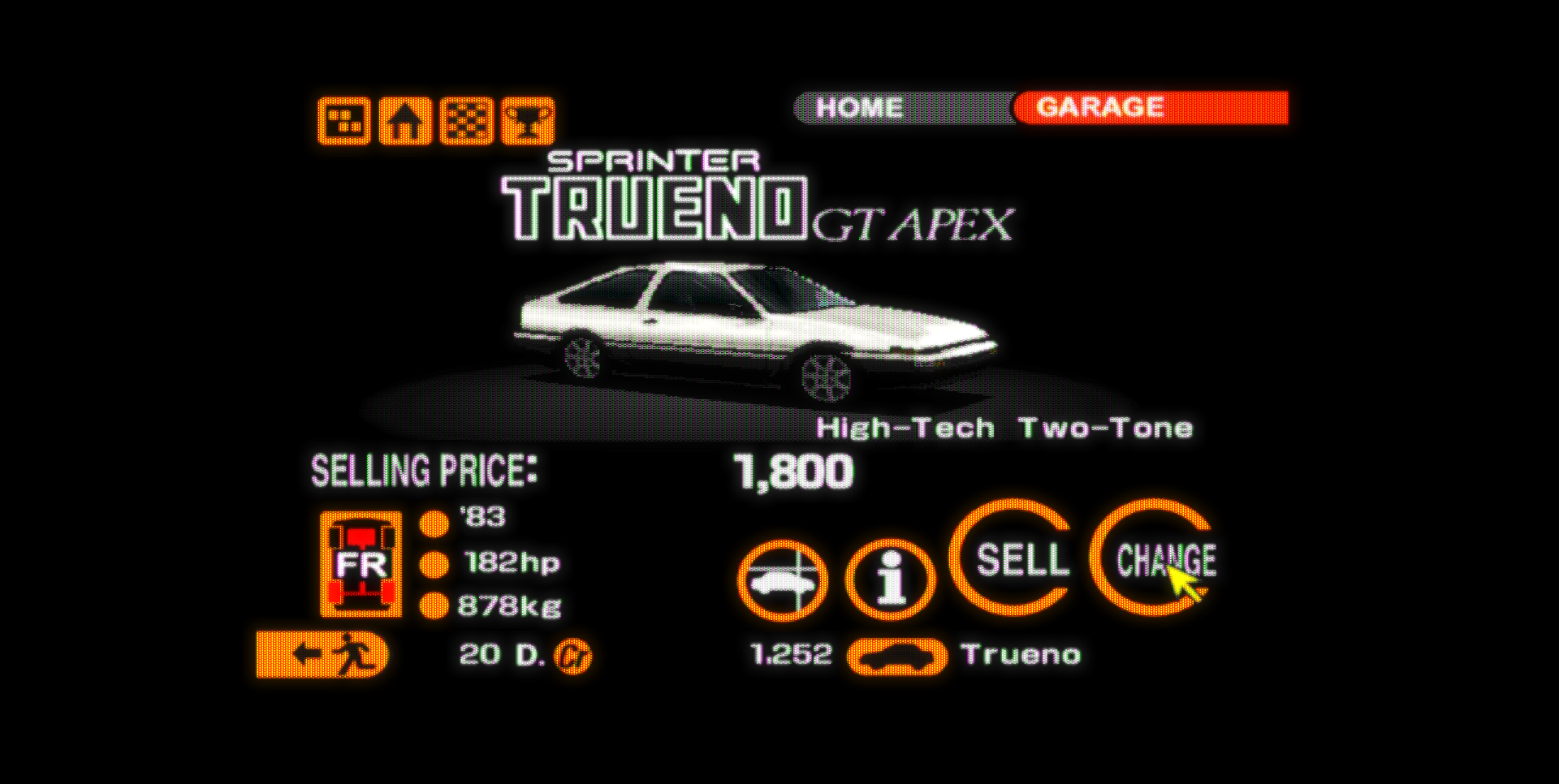
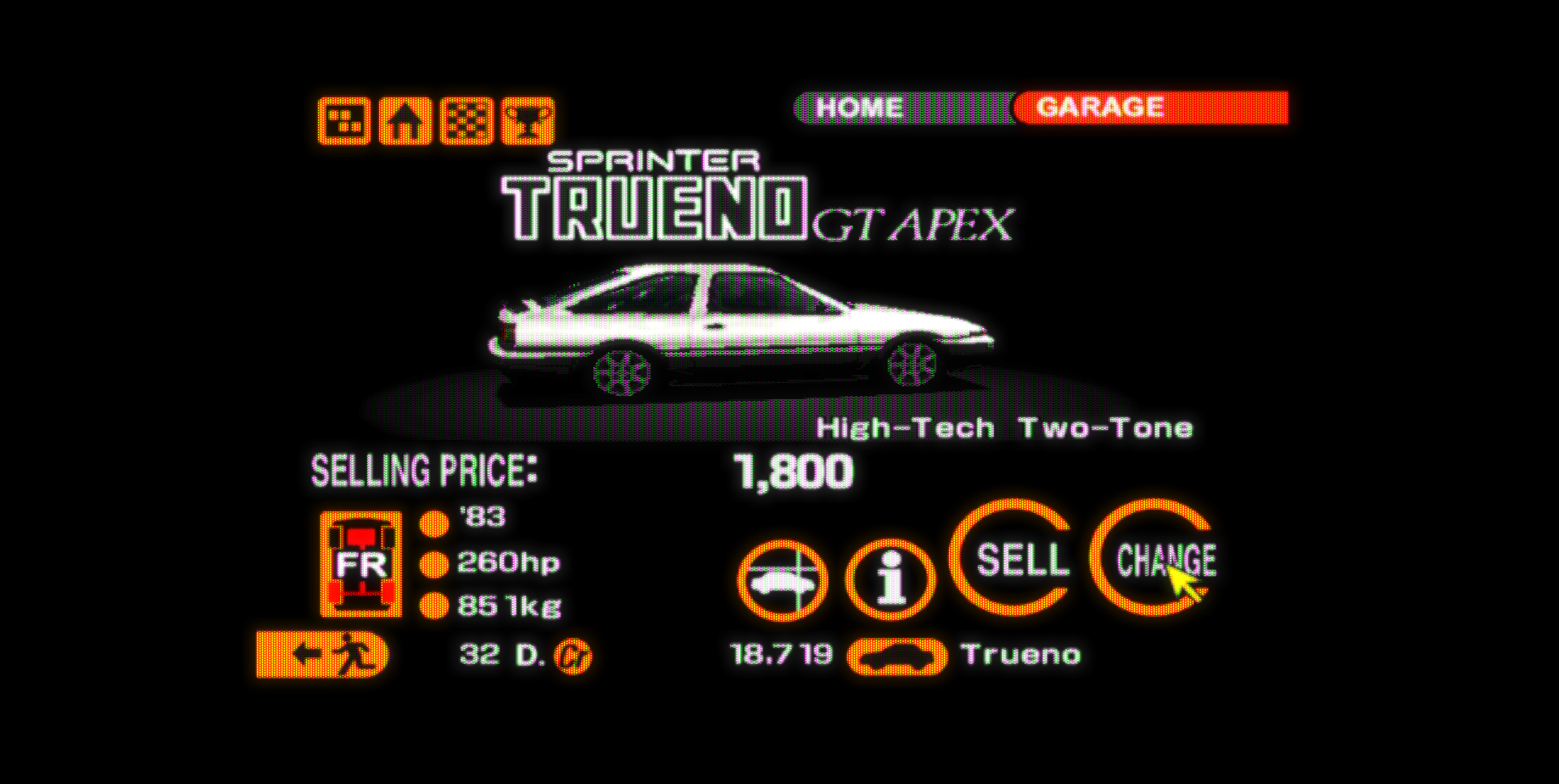
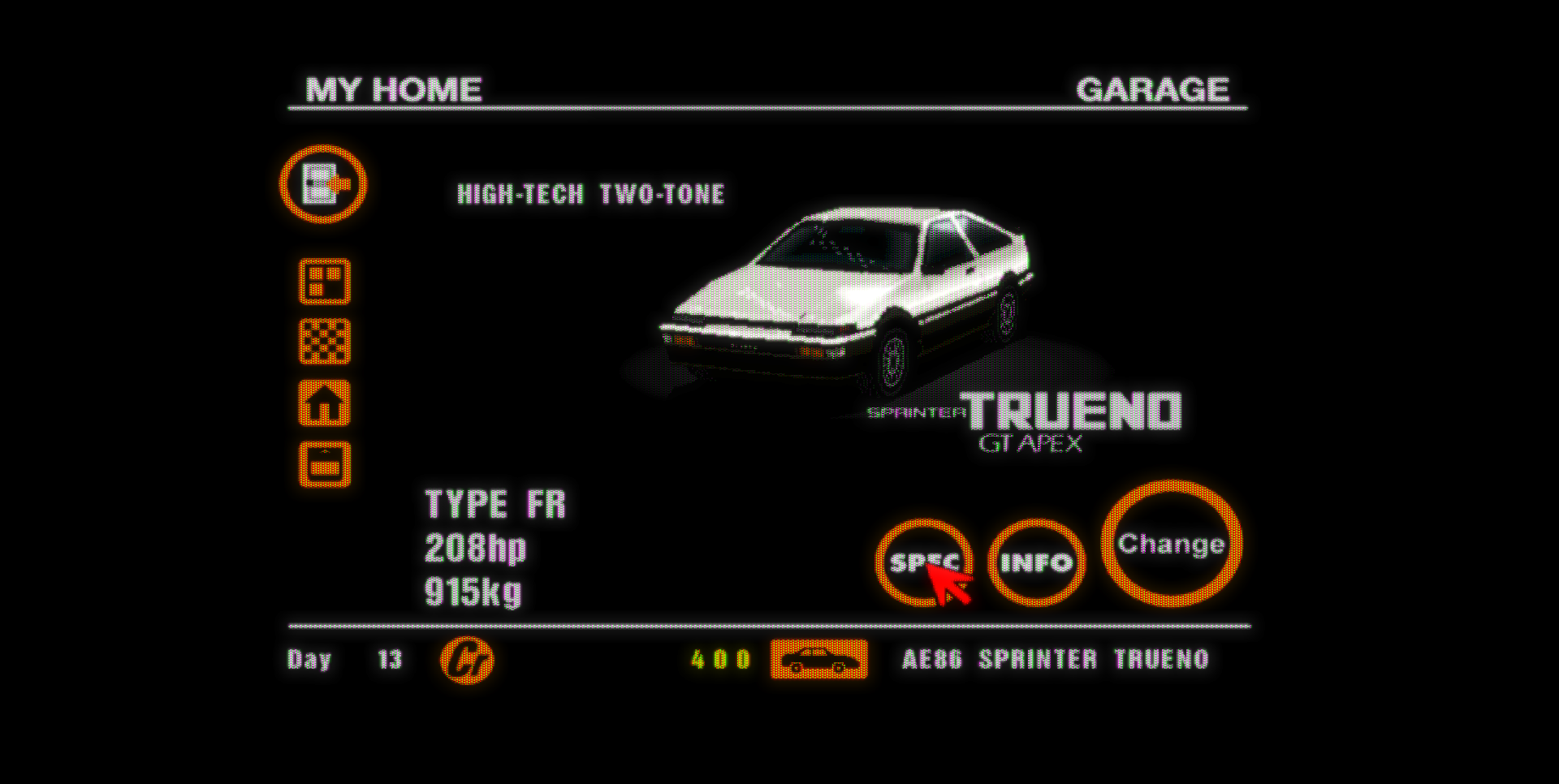
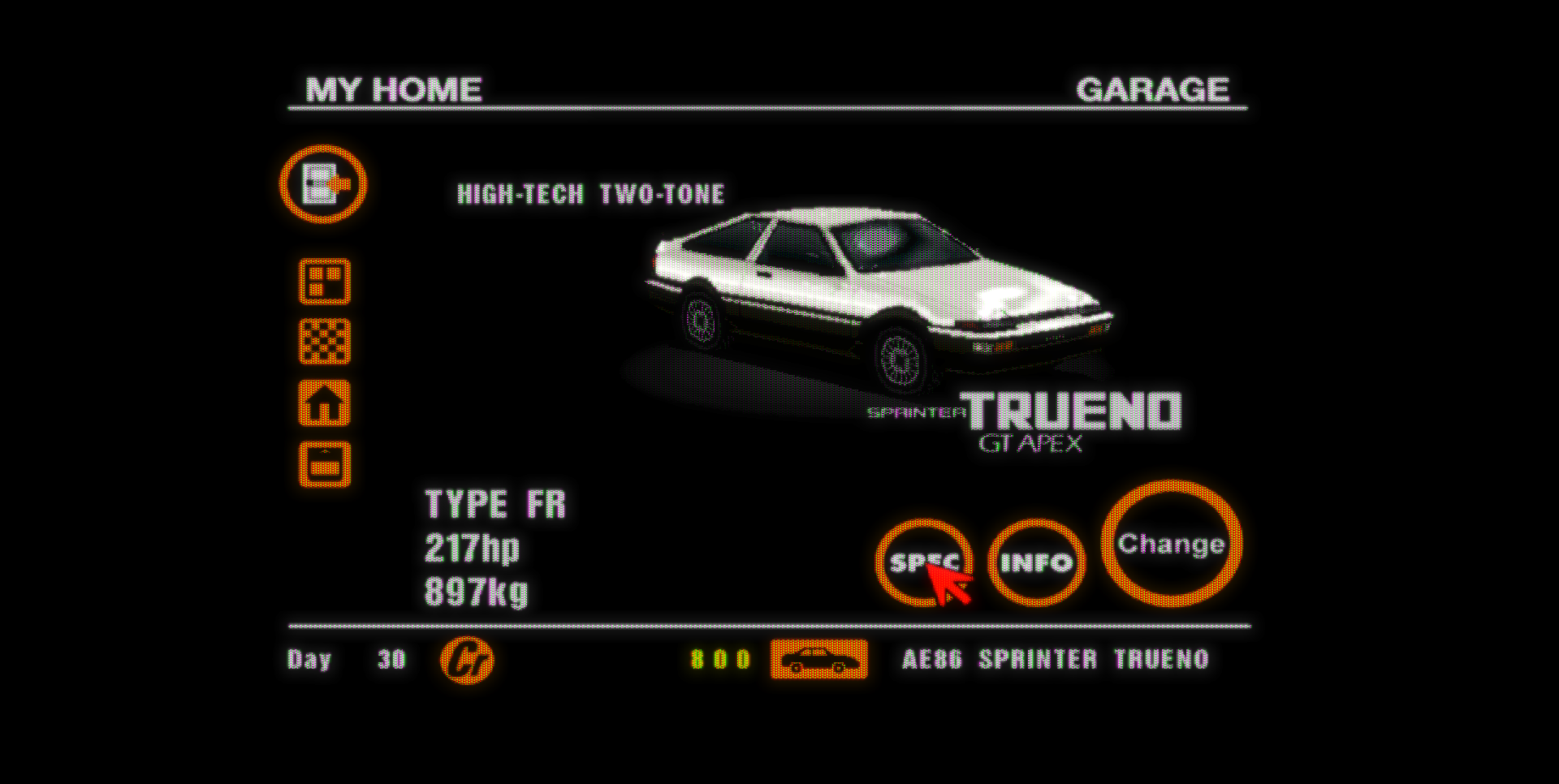
Among the cars to make the transition was the AE86 Toyota Sprinter Trueno, so let's see what it can do in the higher-resolution, higher-framerate, and all-around smoother world of Gran Turismo 3.
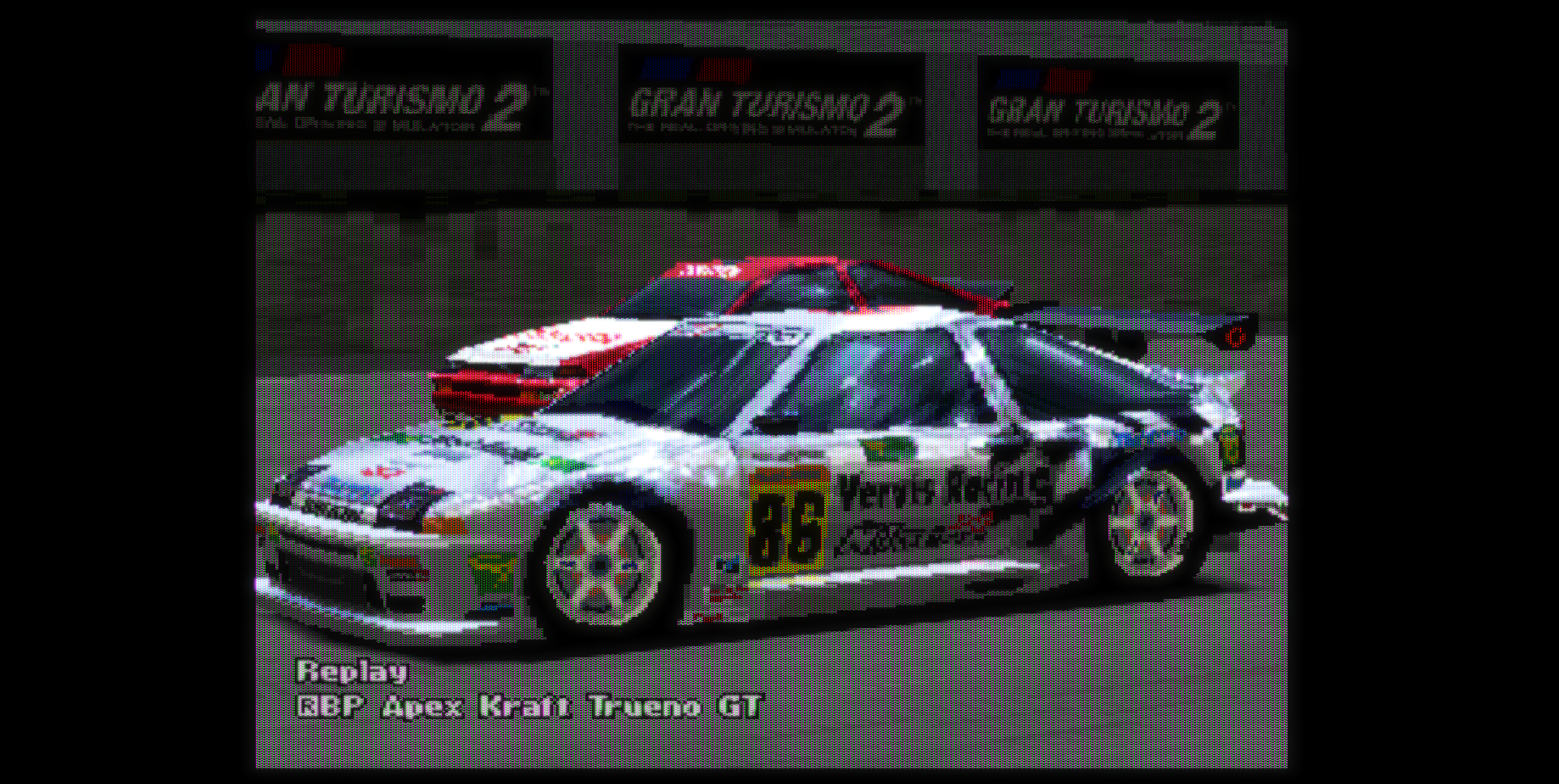
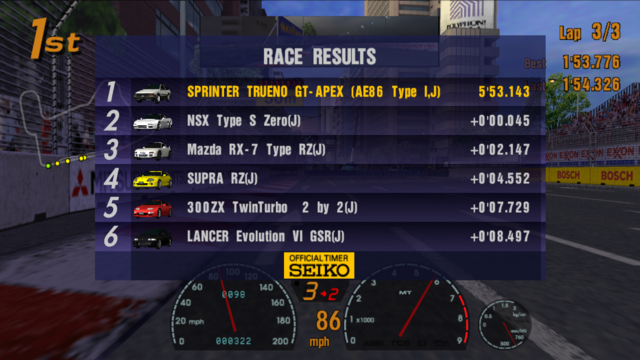
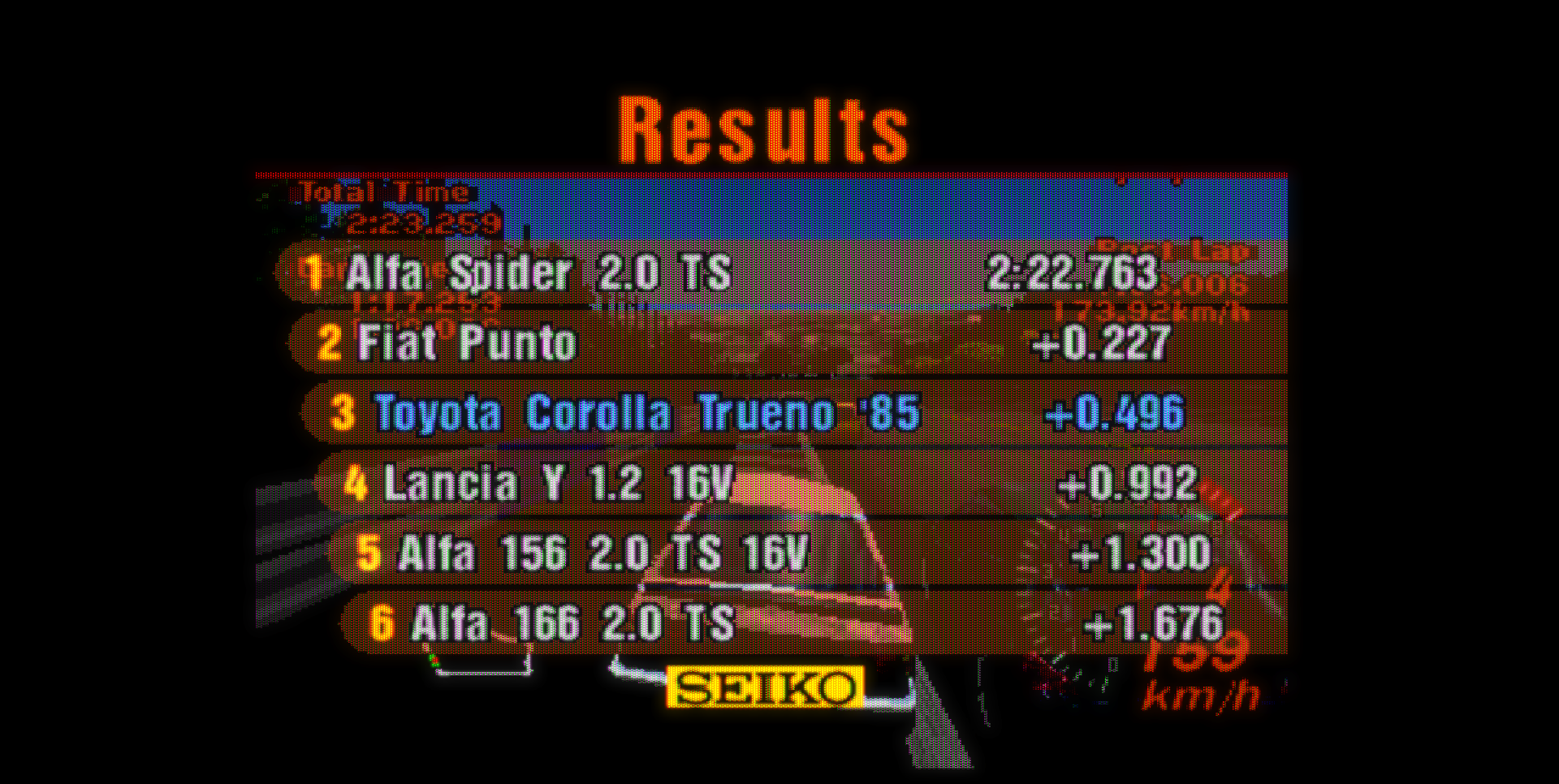
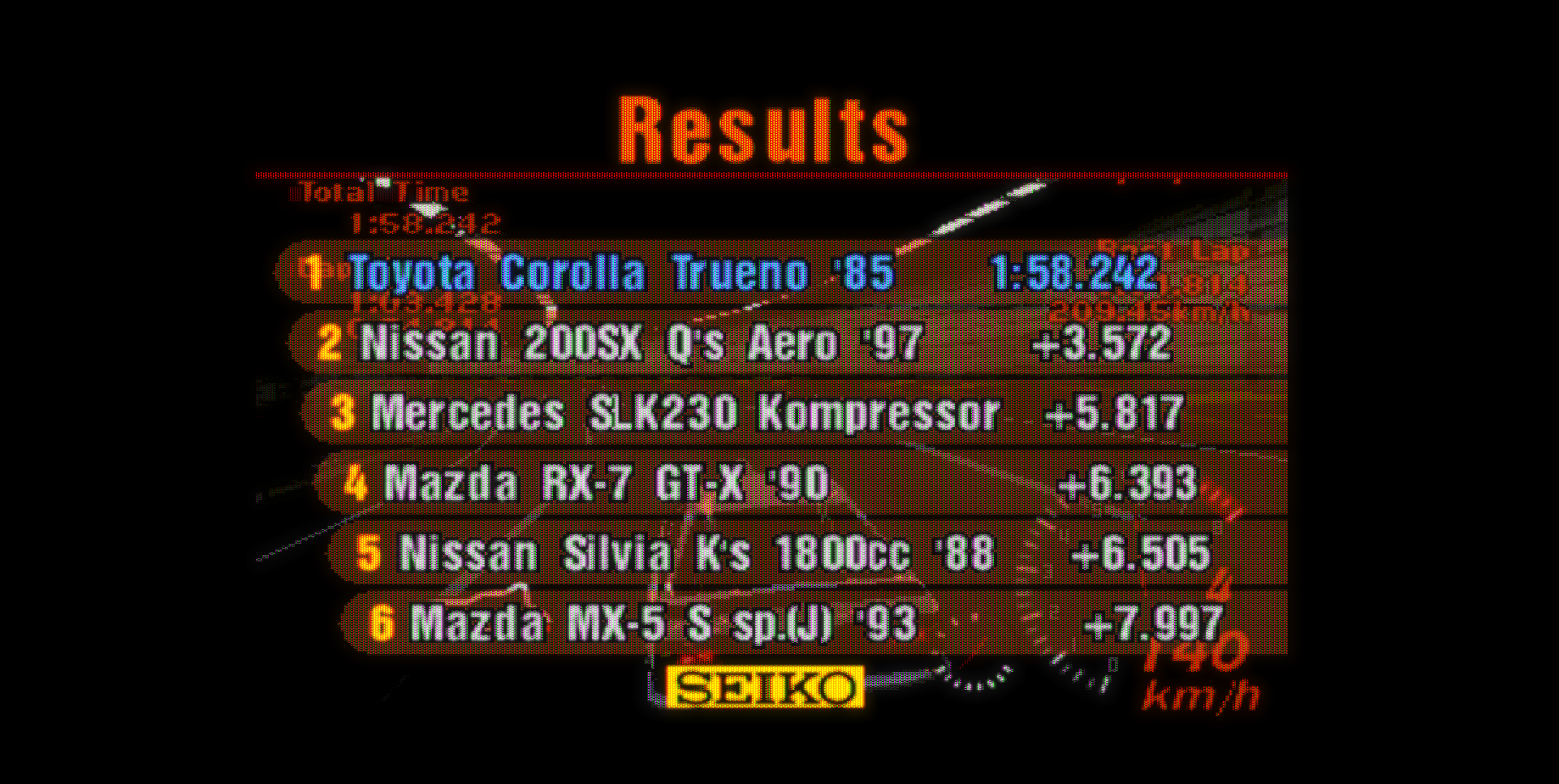
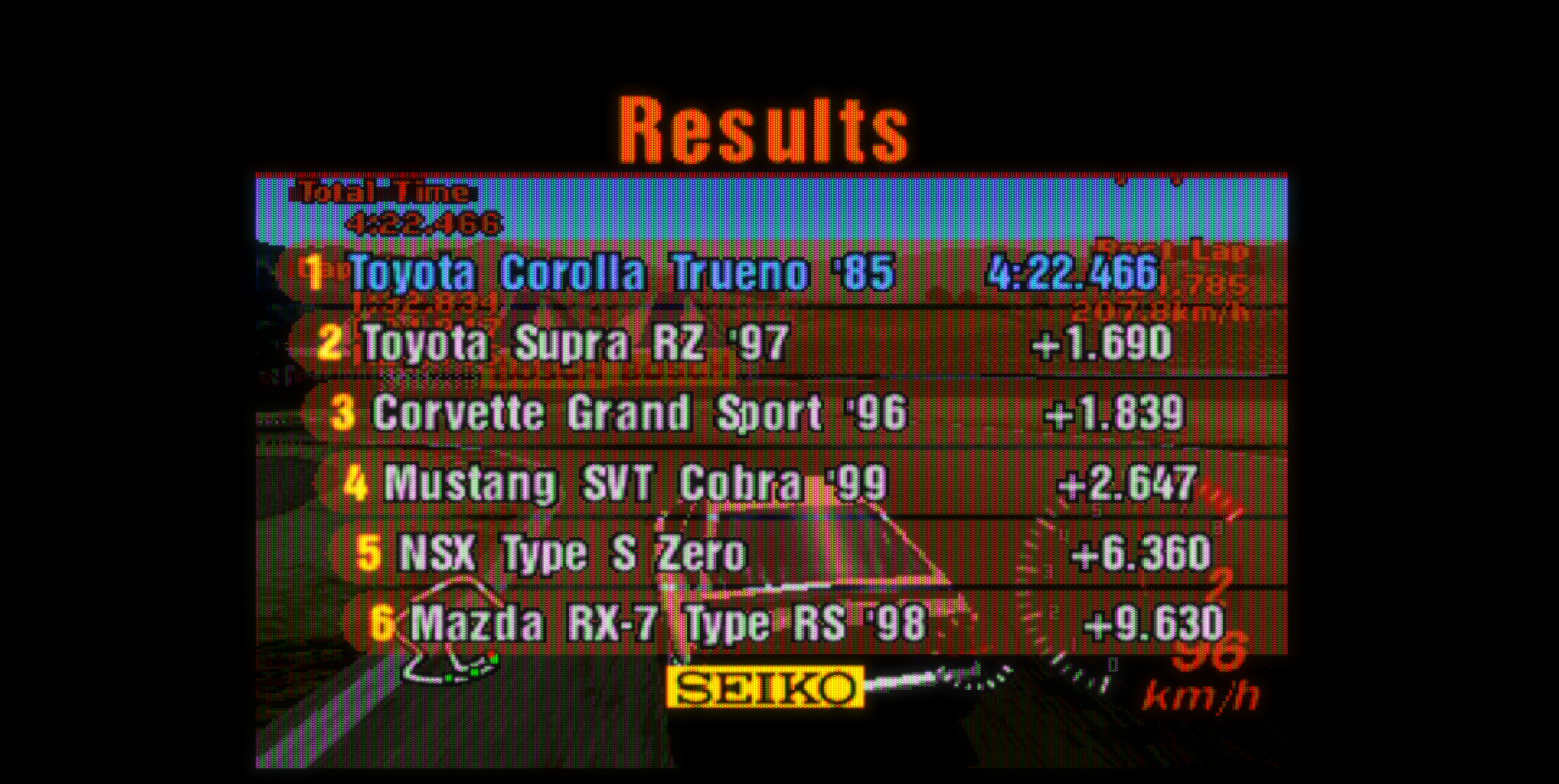
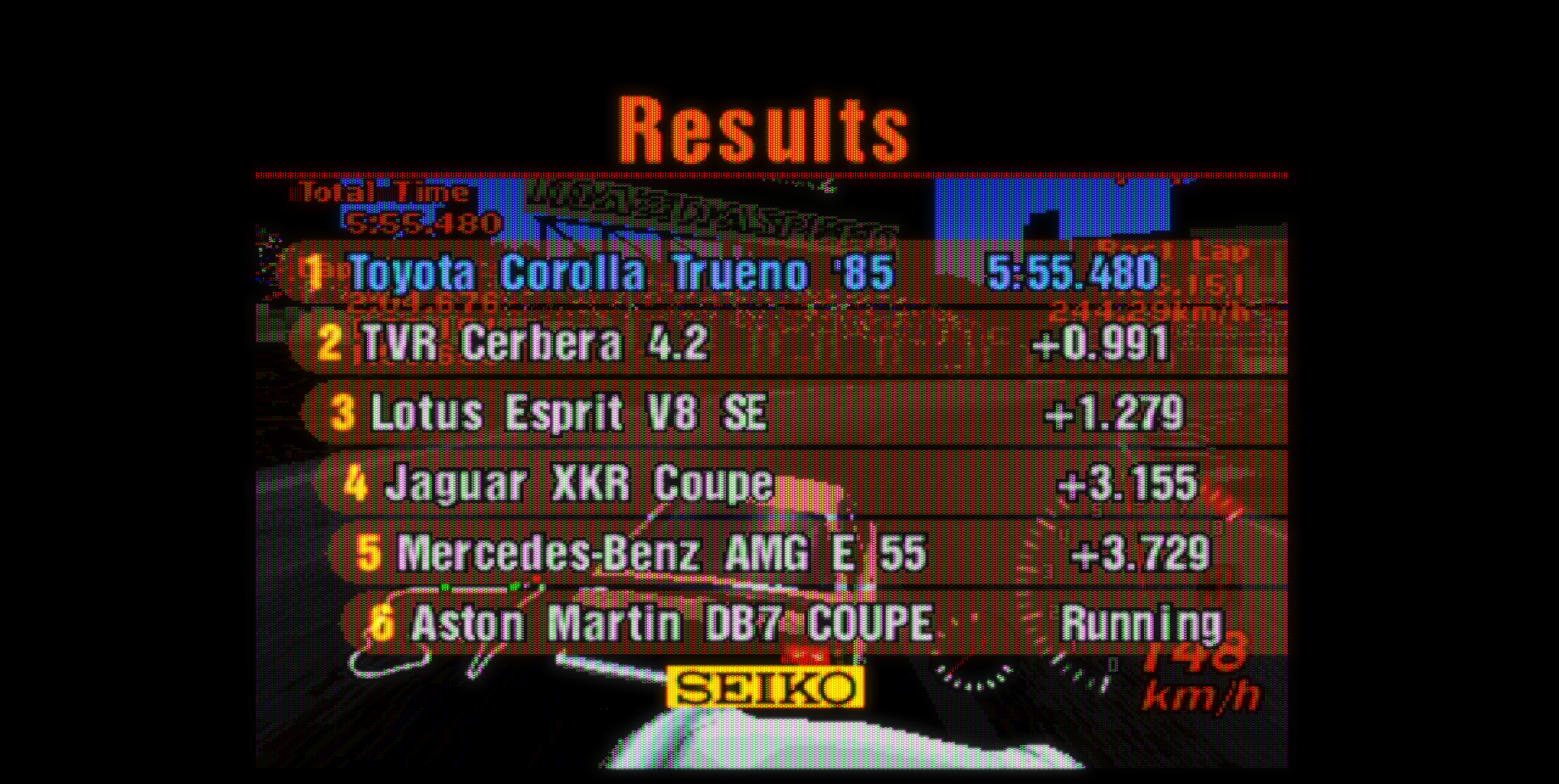
(Quick aside: I have the Bathurst 12 Hours on in the background while writing this part of the post, and look at what I saw...)
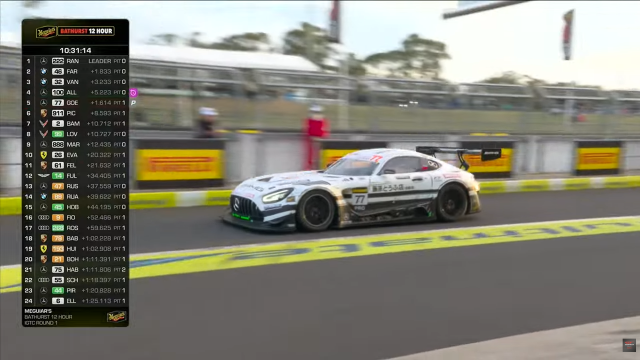
(Quick aside 2: And as I'm writing *this* part of the post, the race has been and gone - and the Initial D Mercedes was leading, until its race ended in a massive crash caused by some seriously dodgy marshalling and officiating, hospitalising driver Ralf Aron. Oops!)
This playthough is being done on the NTSC-U version of GT3 on the PCSX2 emulator, and unlike the PS1 games, I will be using my Logitech G29 - GT3 was, controversially, not compatible with Namco's neGcon that had served players of PS1 racing games (and quite a few PS2 racing games, not least Namco's launch title Ridge Racer V) so well, but Polyphony Digital had something more ambitious in mind; they collaborated with Logitech to create the GT Force steering wheel, with advanced (for the time) features such as force feedback. And it just so happens that if you plug in a modern wheel such as a G29 (or, indeed, something more advanced), PCSX2 will treat it as a GT Force.
Starting Out
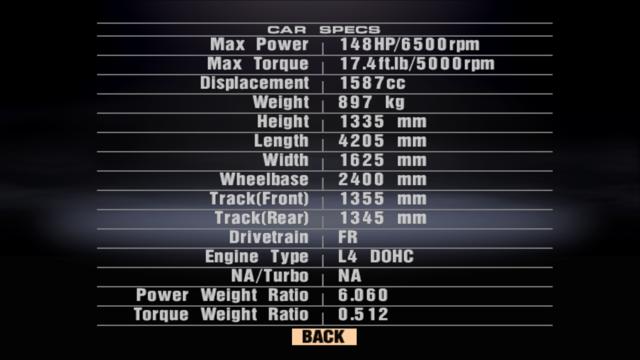
The first order of business is to buy our AE86, and... oh, we get 18,000 credits to play with this time? Don't get too excited, though - there is no used car dealership in GT3, so even with the extra 8,000 credits, the available cars are well down in performance compared what you could get in GT1 and GT2, and I'm paying 13,550 credits for the privilege of buying a car that has presumably been collecting dust in a forgotten corner of a Toyota dealership for over 15 years.
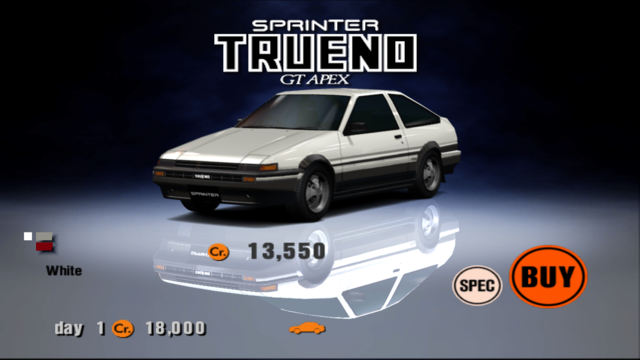
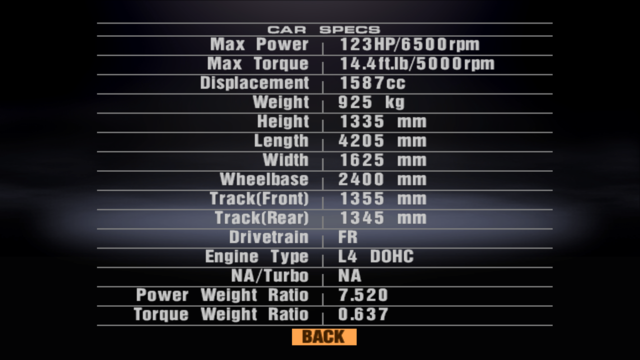
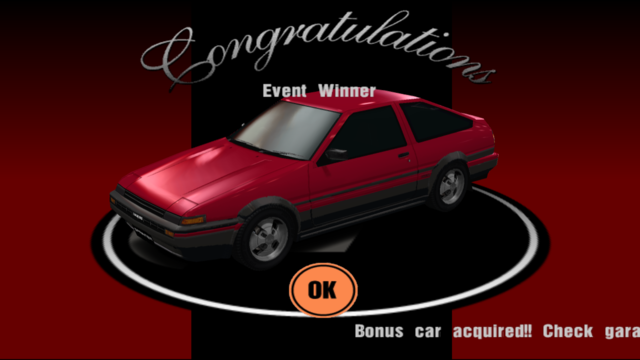
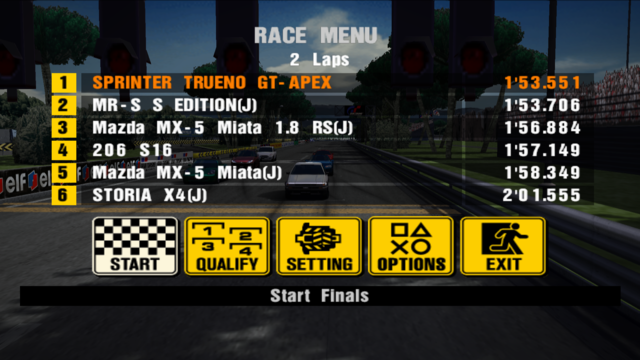
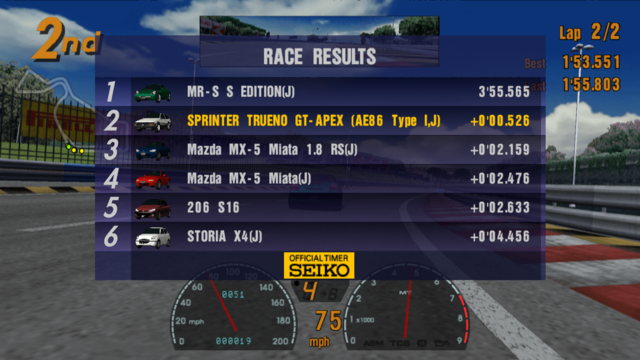
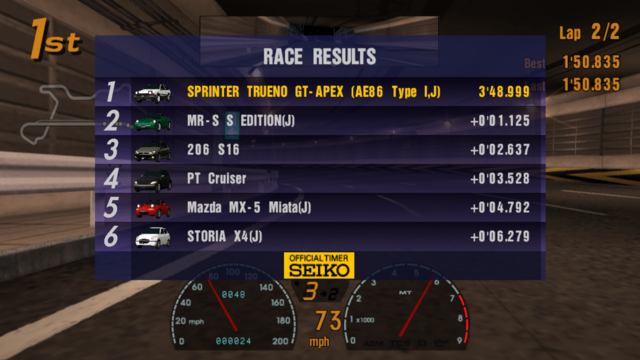
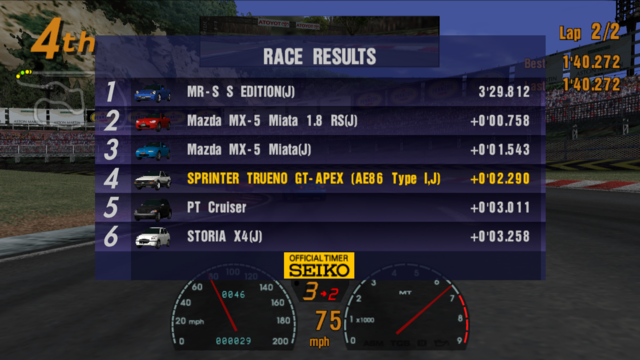
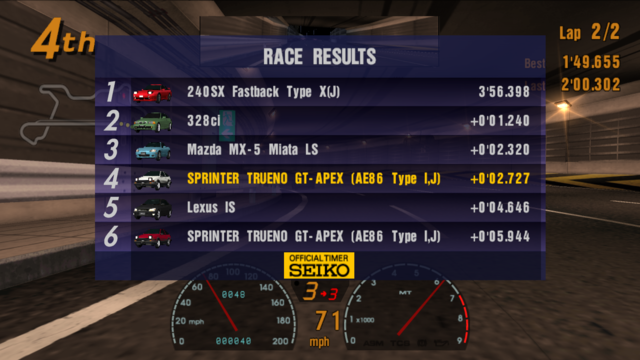
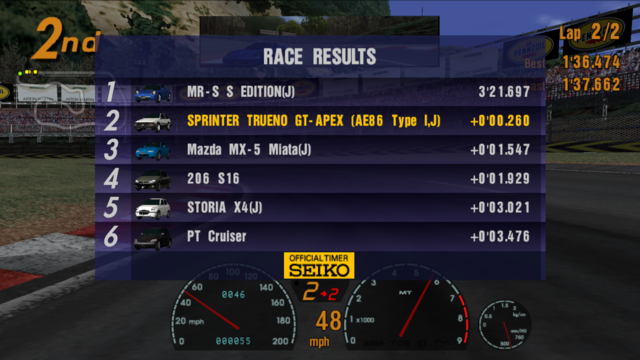
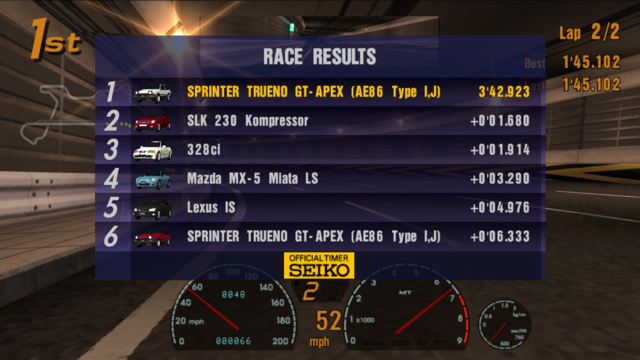
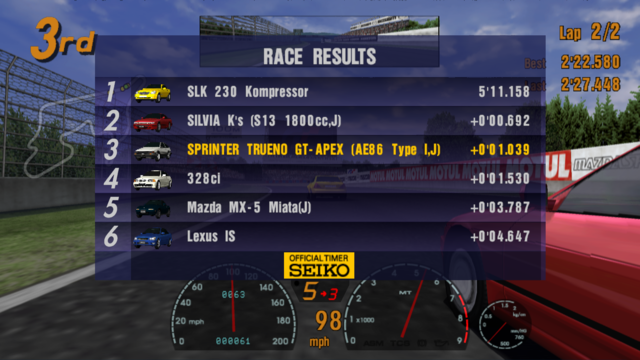
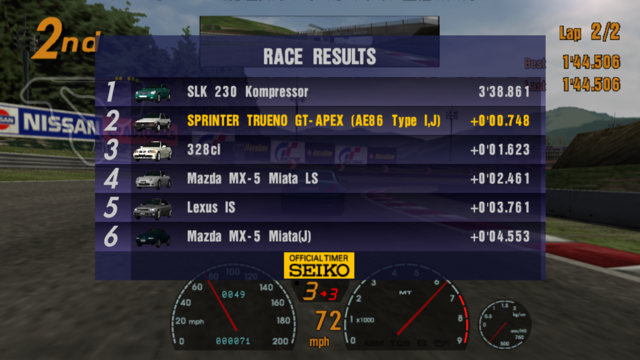
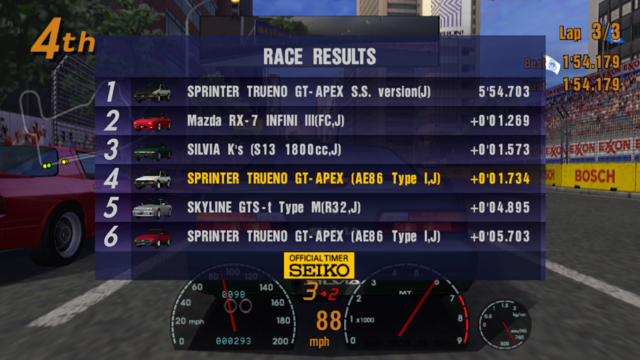
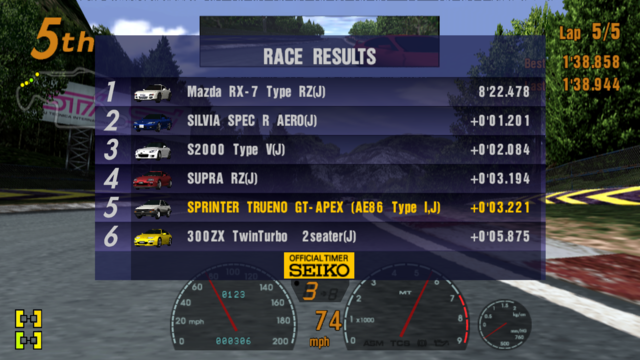
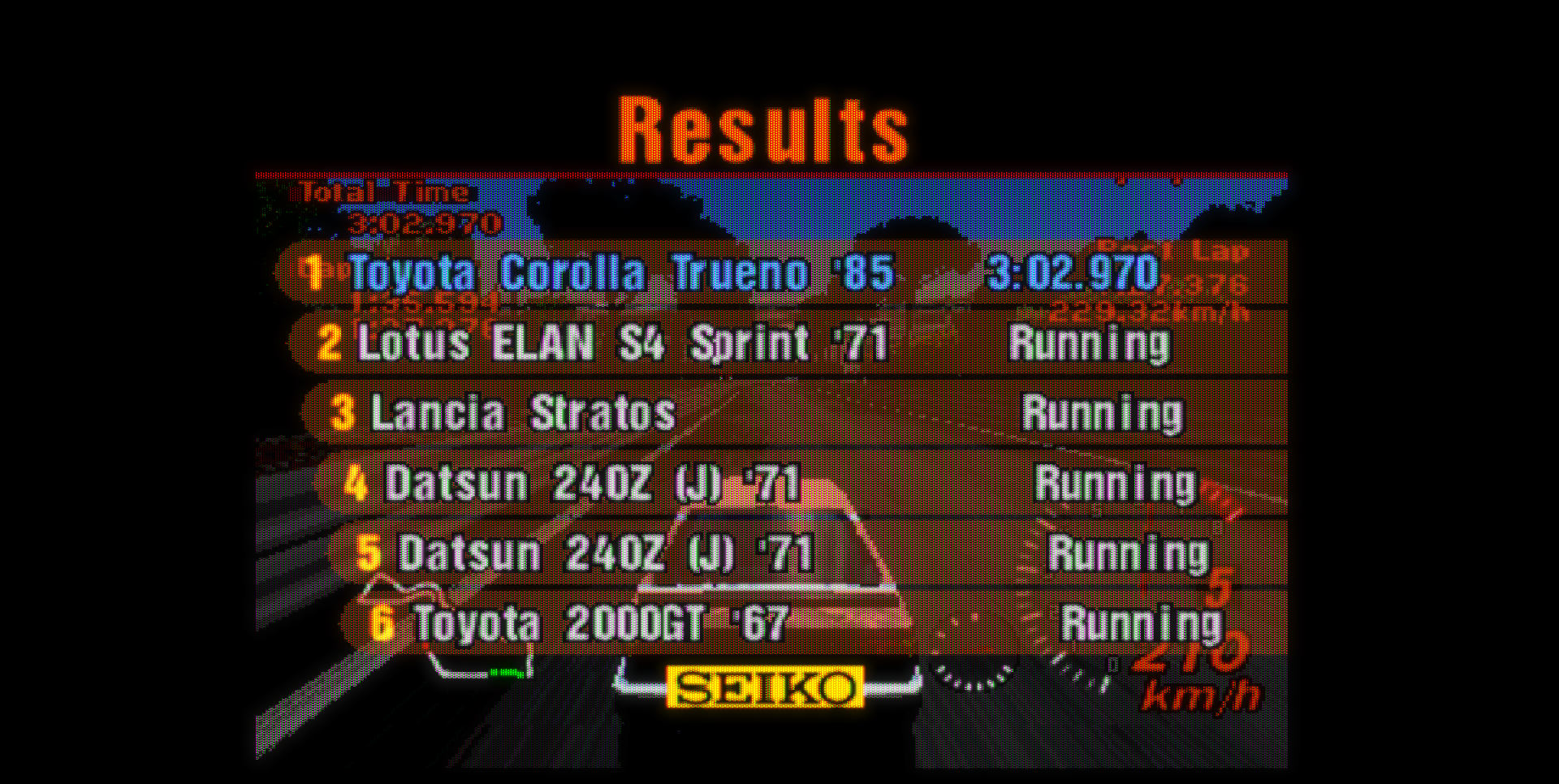
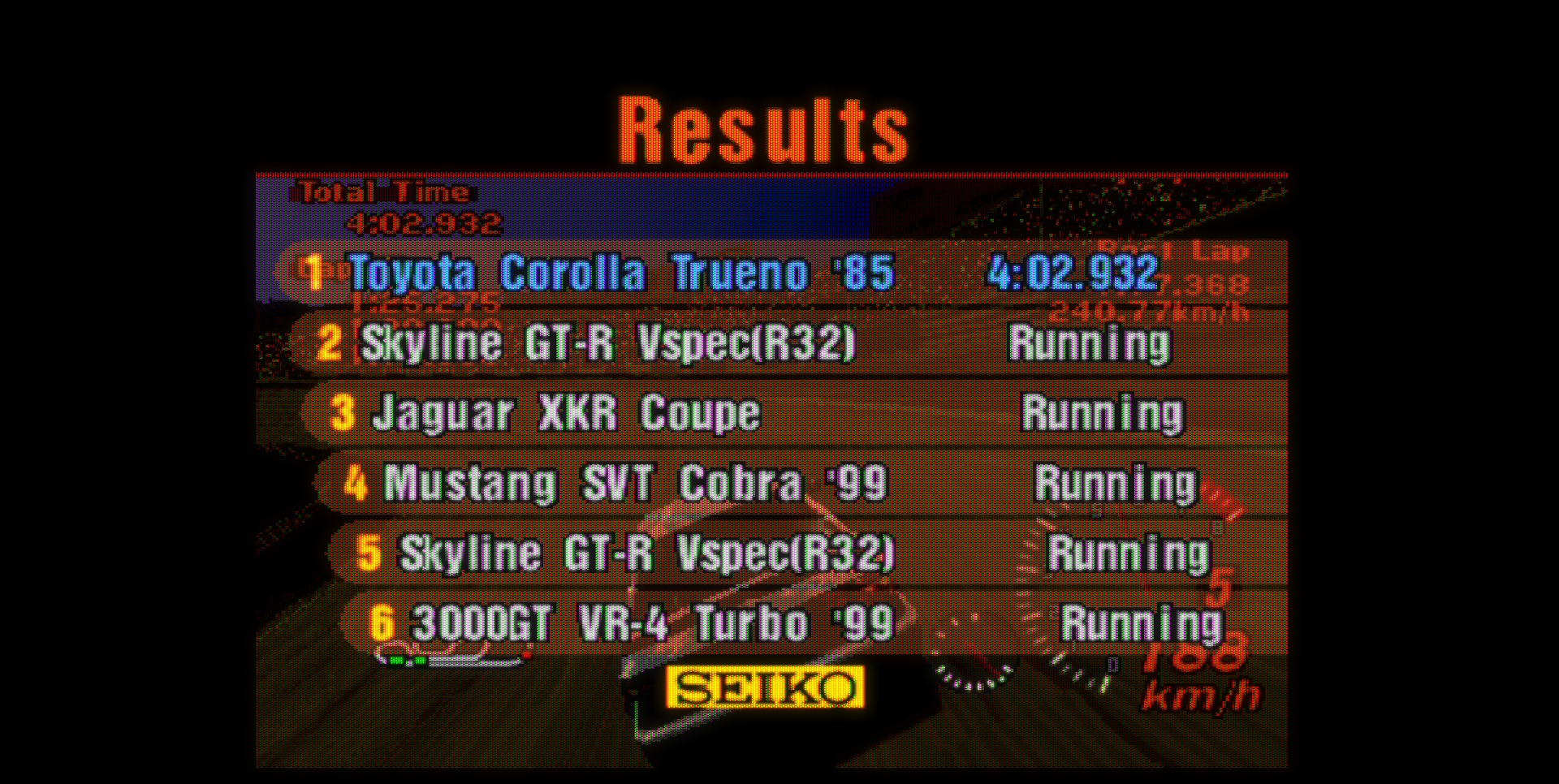
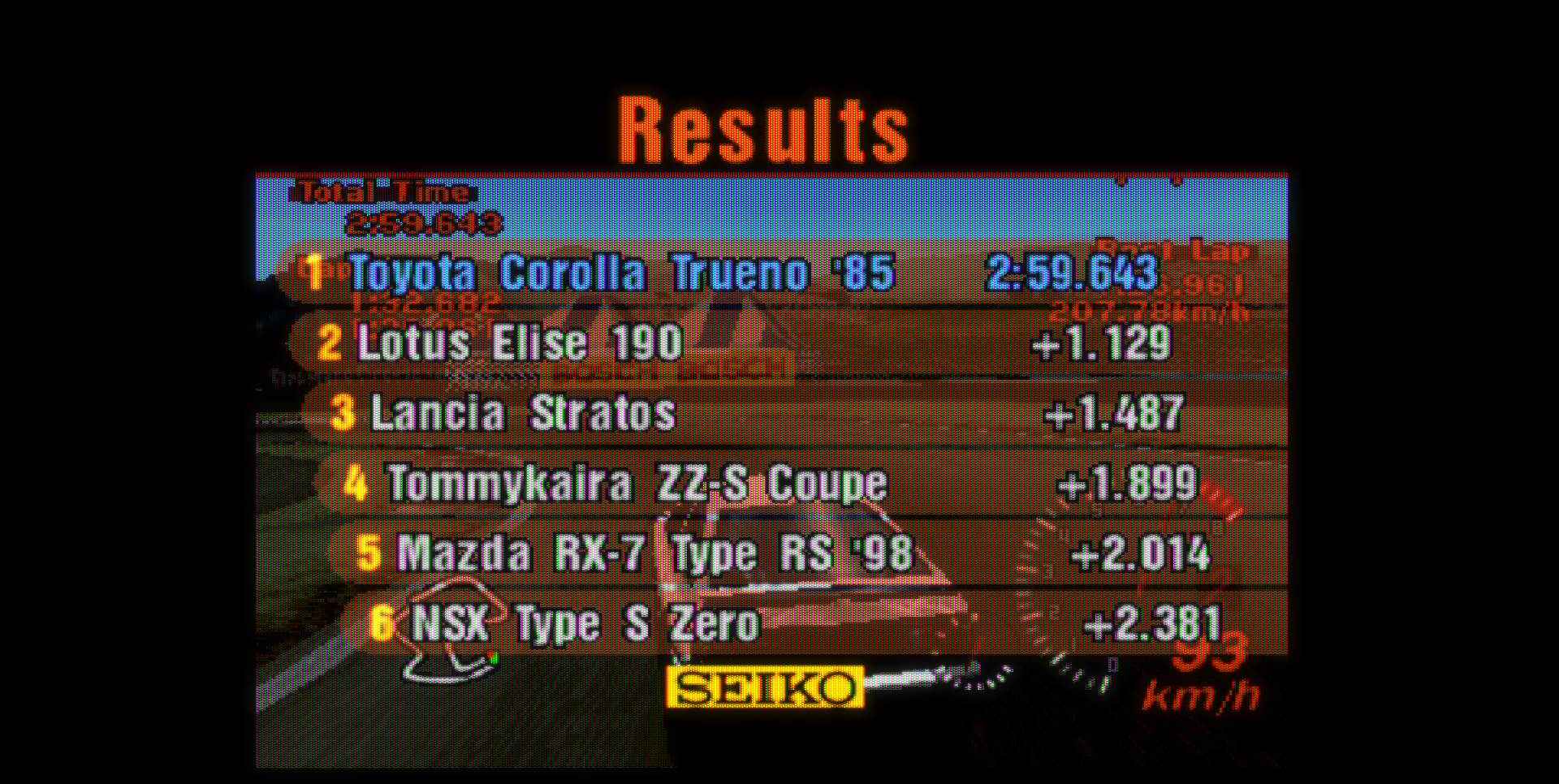
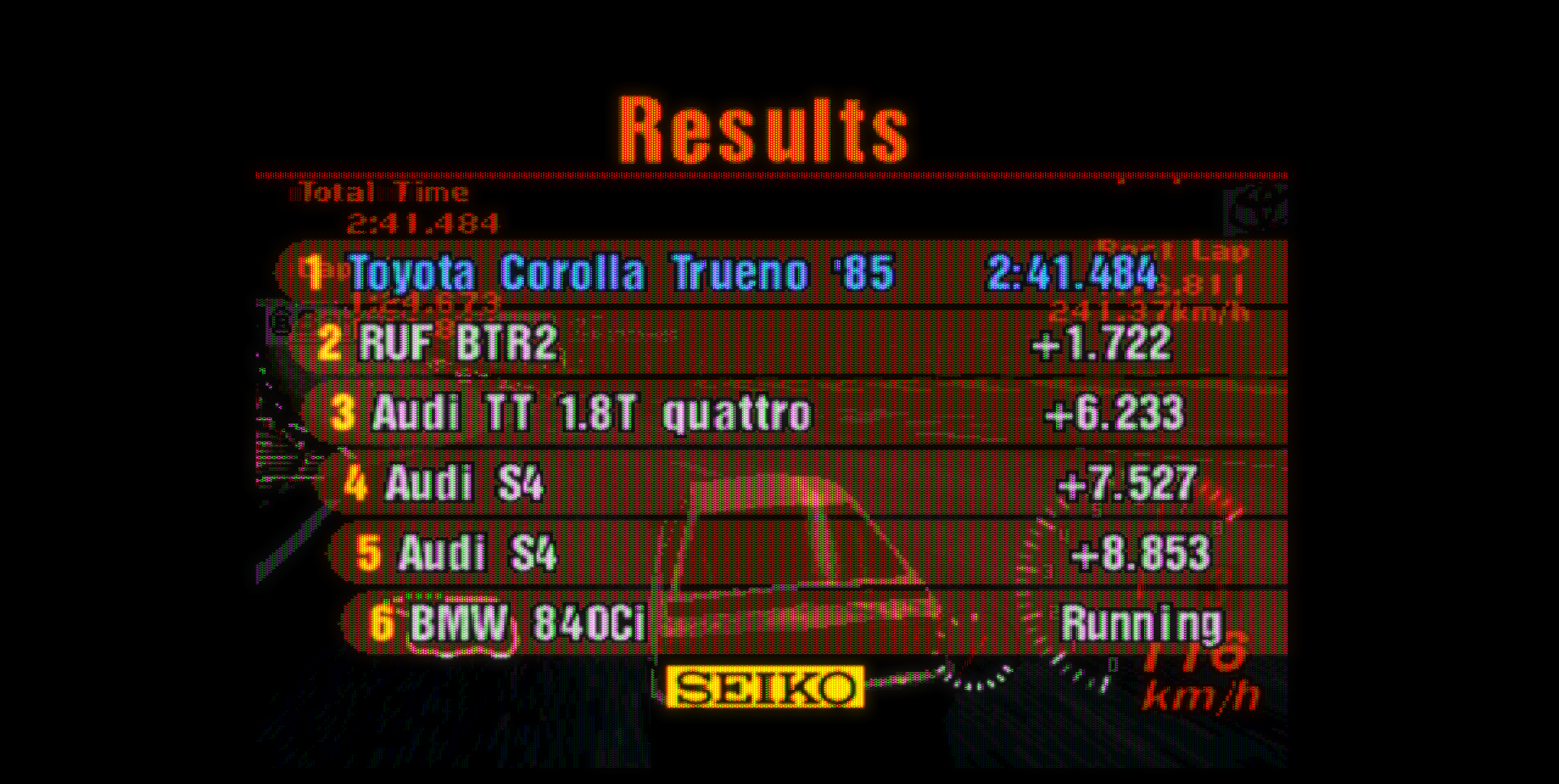
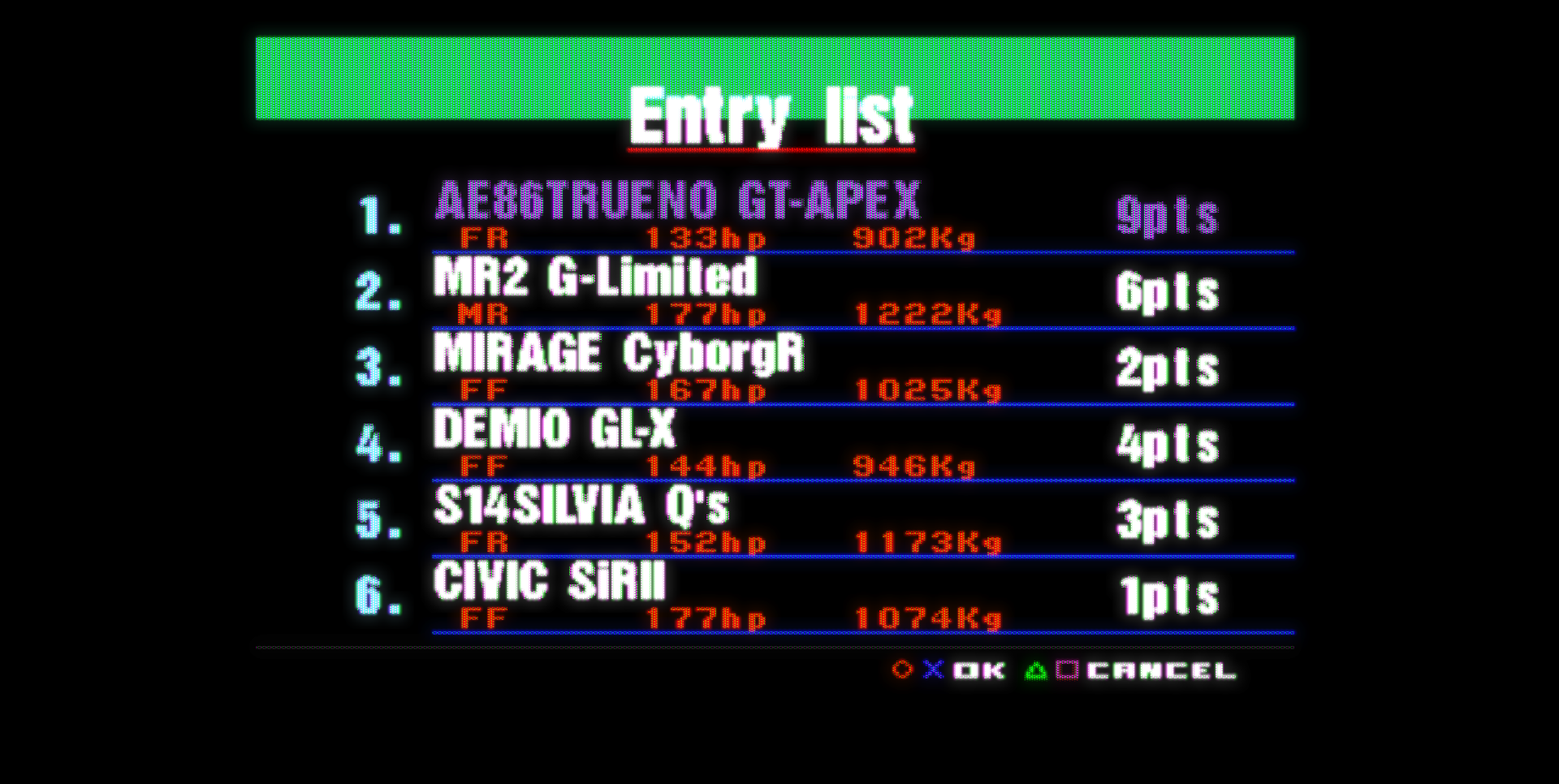
Nevertheless, one oil change later (a way of obtaining a cheap, albeit temporary, power boost), I take it to the Sunday Cup where I achieve three easy poles (since qualifying has returned from GT1) and three easy wins. My reward for this is... another AE86. I use the proceeds to buy some upgrades and enter race 1 of the Clubman Cup at Rome. Another pole position ensues, but I can only manage second in the race. I win race 2 at Special Stage Route 5, but then come fourth at Deep Forest.
Early Game Hell
Compared to previous GT games, progress in the early game is noticeably slower - the cars available to you at the start of the game are significantly slower, payouts are much lower, and instead of handing out prize cars for winning each race as in GT2, they are awarded on a per-series basis as in GT1. (Even more so in the Japanese version, as you start the game with 1.5 million credits - as all credit amounts are multiplied by 100 in the Japanese version, this effectively represents a one-sixth reduction in your starting money, and payouts are further reduced as well).
One option is to keep winning the Sunday Cup races over and over again - and I'd be surprised if that wasn't how most people handled the early game when they first played GT3 - but I'm trying to avoid this, and am happy to pick up credits from lower finishes, saving them up to buy tuning parts and gradually improve my results until I finally get the win.
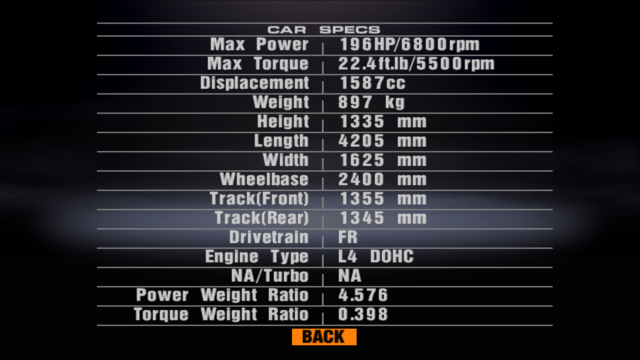
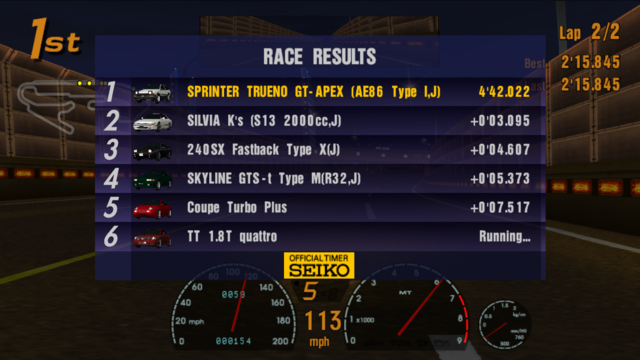
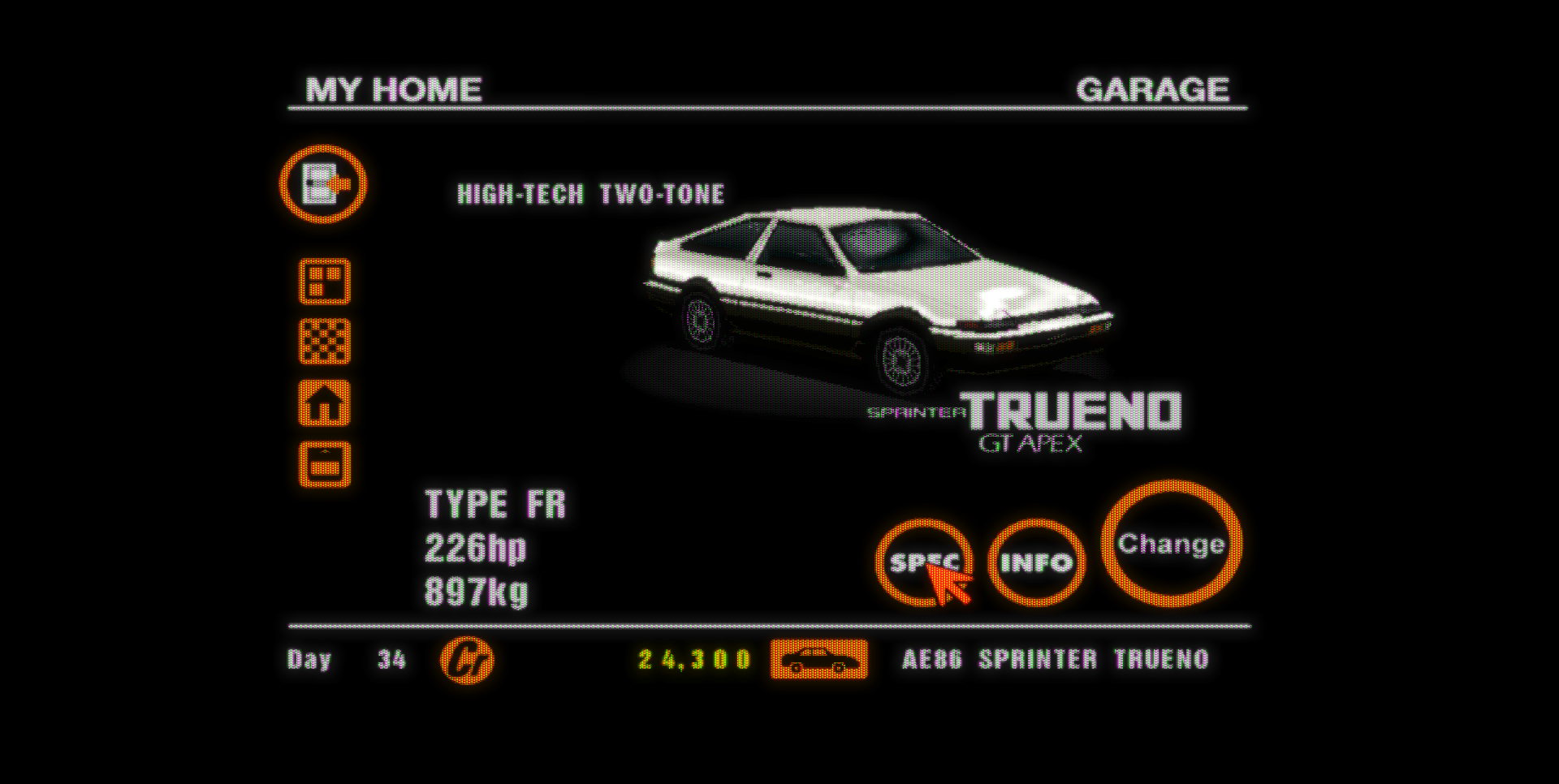
I buy a few more upgrades and enter the FR Challenge, but the best result I can muster in the three races is a fourth at Special Stage Route 5. Nevertheless, I've picked up enough credits in the process that I can splash out on a significant upgrade: a stage 1 turbo kit, giving me another 50hp in one fell swoop. With my newly turbocharged AE86, I return to the Clubman Cup and make short work of the Rome race, although Deep Forest proves to still be a tough nut to crack. I then give the FR Challenge another go, and claim victory at Special Stage Route 5, although I can only manage third at Grand Valley and second at Apricot Hill.
Back to the '80s
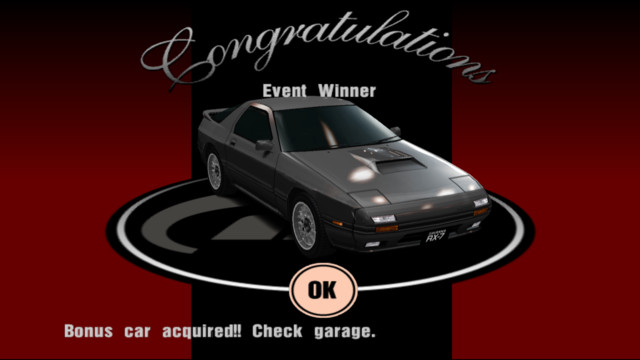
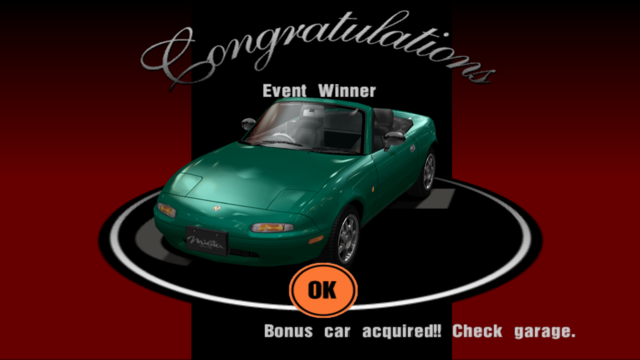
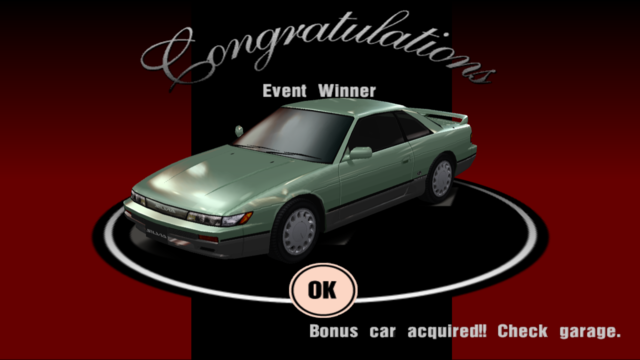
Up to this point, I've been going without a licence - you can make quite a bit more progress without a licence in GT3 compared to the previous games, but the three events I've already attempted are all that are available to the AE86 until I obtain the B licence. After obtaining the licence, I head to the '80s Sports Car Cup and this is where the run really begins to open up. All three races are dispatched at the first attempt, and the reward is an FC RX-7 - which I sell, spending the proceeds on some minor upgrades, before finishing off the last race of the Clubman Cup and getting (and, more to the point, selling) the MX-5 prize car. Next on the mopping-up list are the FR Challenge races at Grand Valley and Apricot Hill. Hello Nissan Silvia, goodbye Nissan Silvia, hello 4,715 credits. Now I have a decision to make - do I swap out the turbo kit and tackle the awkwardly-titled Race of NA Sports, or press on and go for the only slightly less awkwardly-titled Race of Turbo Sports?
Turbo Lover
In the end, I decide on the latter - and the first race at Midfield Raceway goes well until I spin out on the second lap, after which I have to make do with fifth. Race 2 takes place at the Test Course, which is not the same Test Course from the PS1 games. It's about twice as long, and gets quite a bit more use in actual races, including a particularly absurd example in the Professional League Yaris Race, where you will be completing ten tours of this 10km behemoth. Even in a maxed out Yaris, that's about half an hour of turning left and going... actually pretty slowly, by Professional League standards. In any case, despite having the least powerful car on the grid, I make my move at just the right time and keep the Mitsubishi 3000GT, with a 100hp advantage, at bay to win by less than a tenth of a second. On paper, race 3 at Special Stage Route 11 - returning from GT1, albeit with an altered layout that bypasses the absolutely brutal chicane from the original version - should be a routine win, but I finish a distant second behind the 3000GT.
Au Naturel
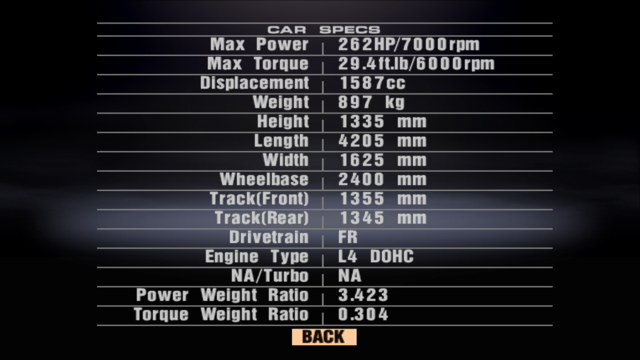
I swap the turbo for an NA tuning kit and enter the Race of NA Sports - this turns out to be much more fruitful as I win all three races first try. This, combined with the credits from selling the prize car (a Honda CRX del Sol) allows me to return to turbo land with a stage 2 turbo kit, taking my car to 262hp as I give the remaining Race of Turbo Sports races another go. Special Stage Route 11 is conquered, but once again a spin on lap 2 scuppers my chances at Midfield Raceway.
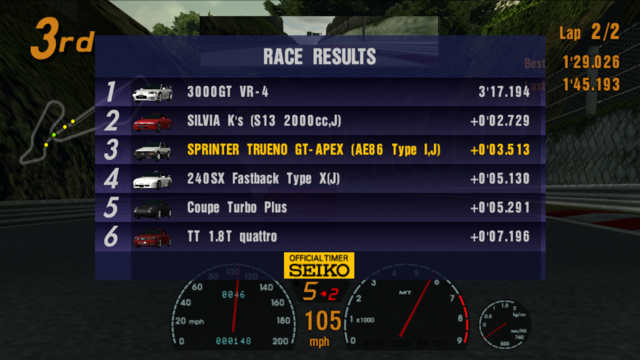
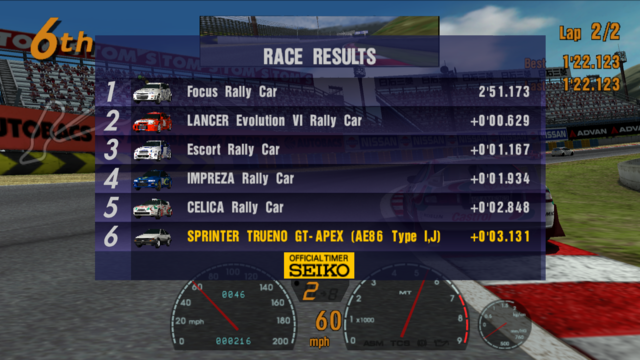
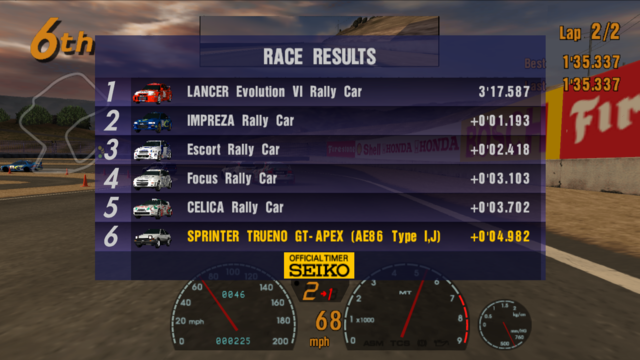
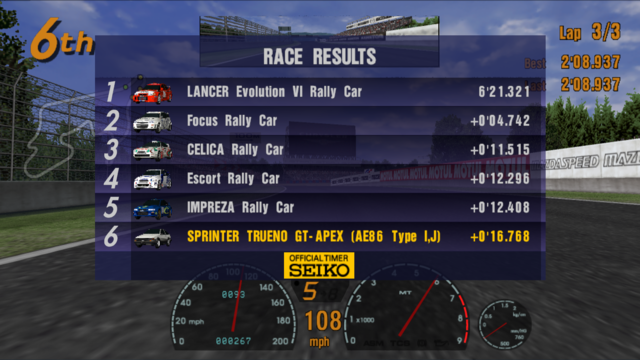
At this point I have an idea: I get the R licence - the rally events have their own licence in GT3 - and attempt the wet weather races at Special Stage Route 5 (specifically, the first races - out of three - on each of the forward and reverse layouts), based on vague memories of seeing a tip in an issue of CVG (although I can't find the issue in question) from the time identifying them as a good way to make quick progress in the early game. The opposition comes in the form of Lancer and Impreza rally cars, and while I run them close, I'm not quite able to get the win on either occasion.
After some more minor upgrades and setup tweaks, I finally secure victory at Midfield in the Race of Turbo Sports, before my first attempt at the Beginner League GT World Championship.
The End of the Beginning?
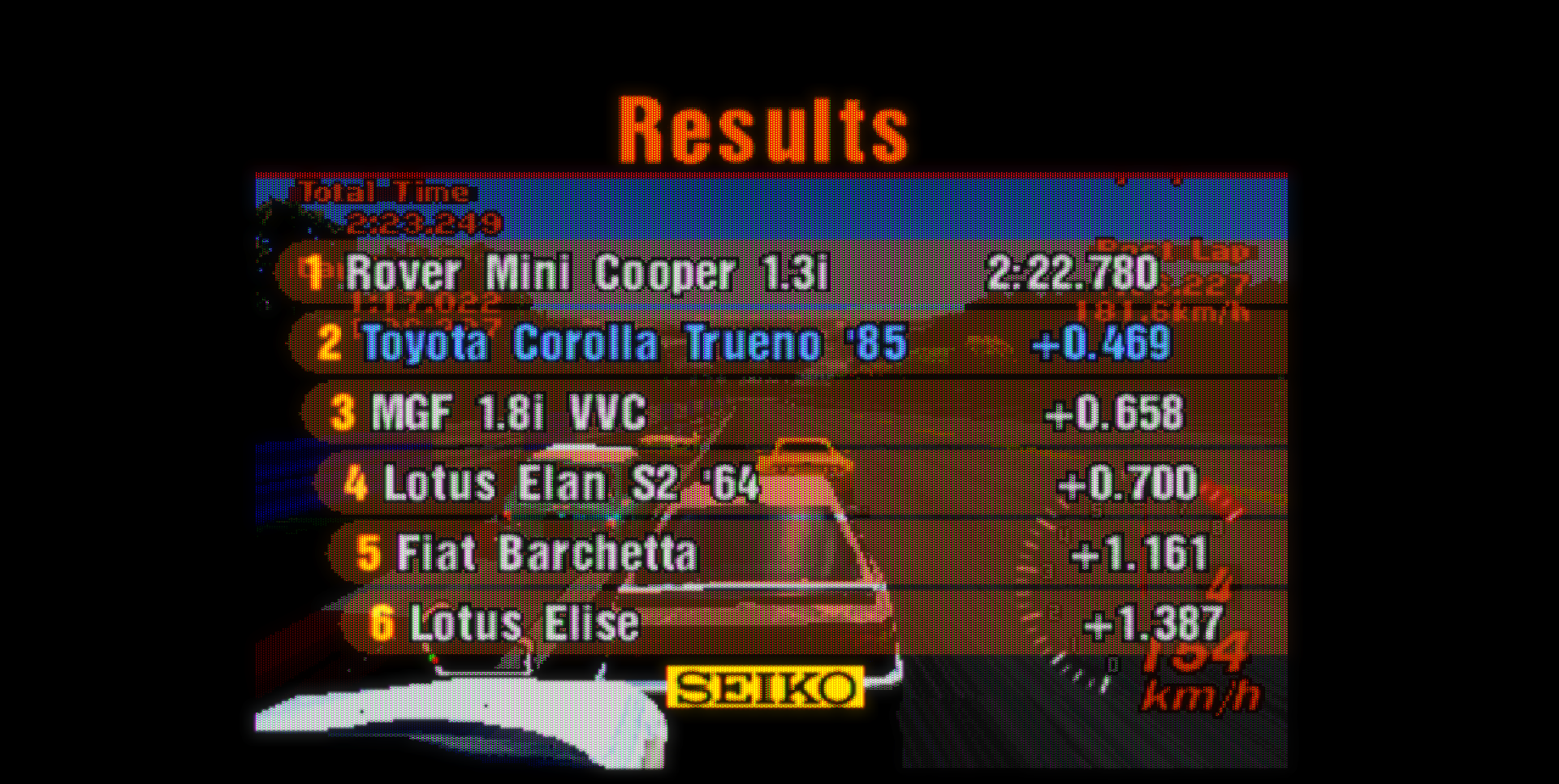
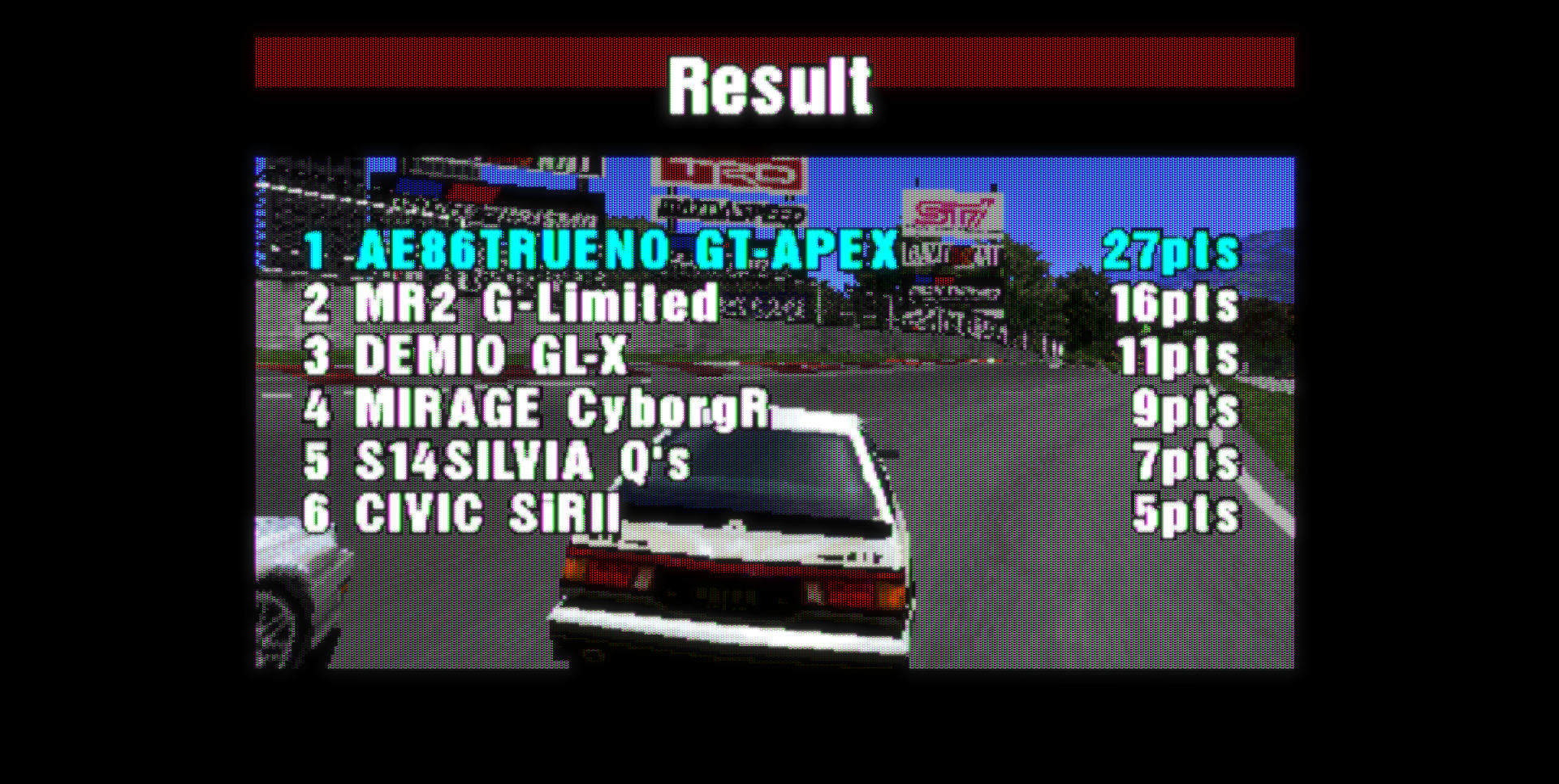
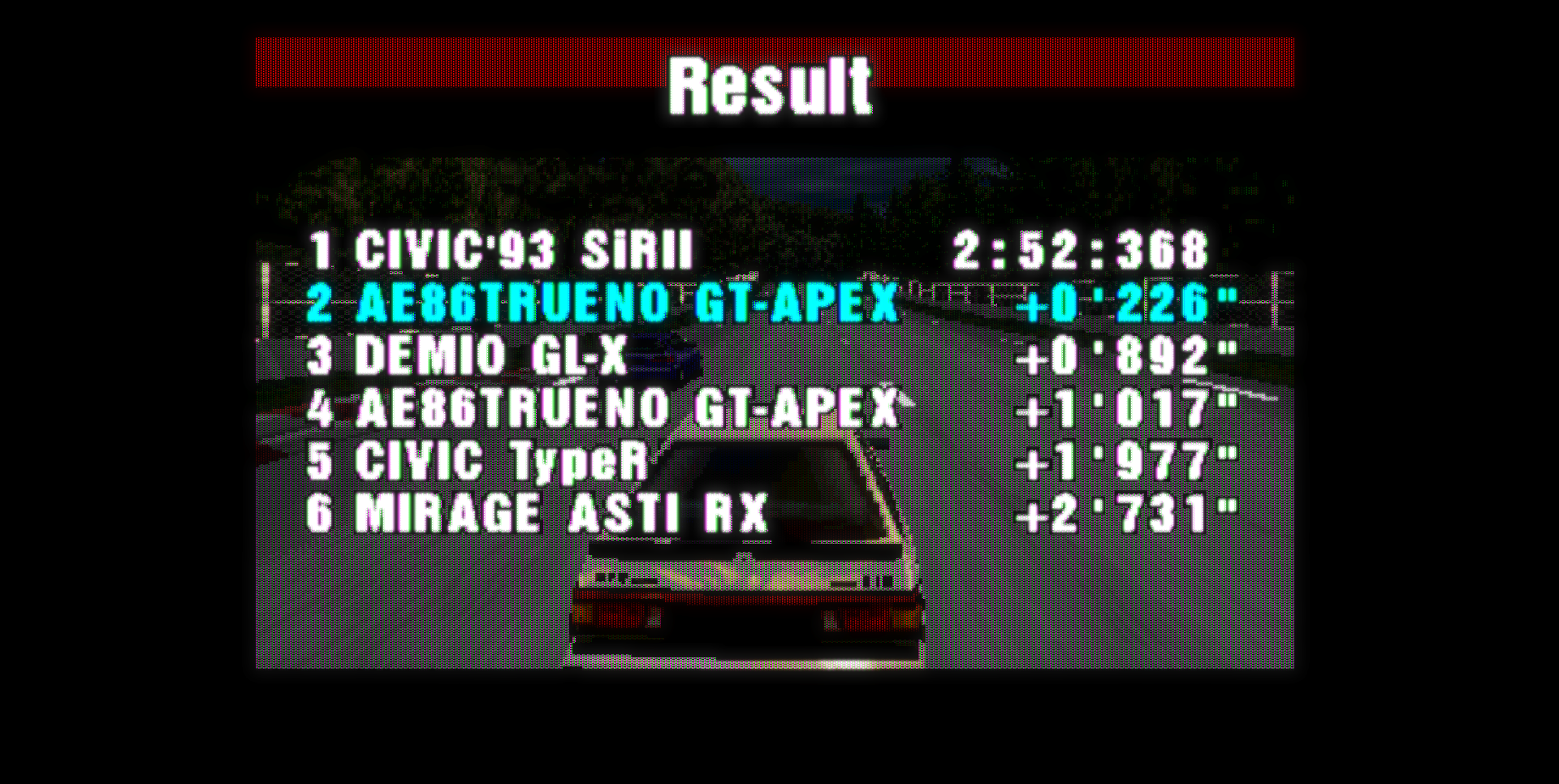
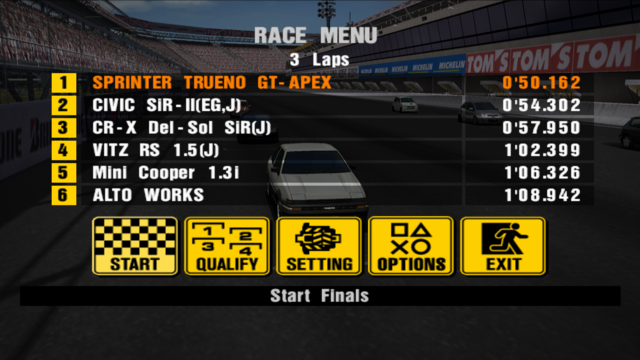
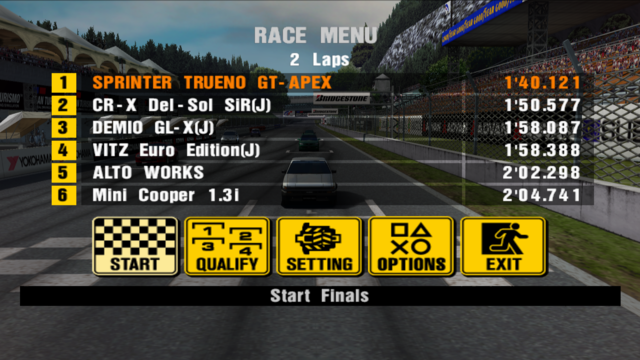
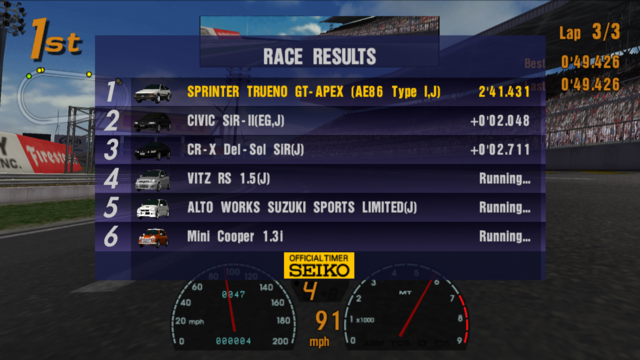
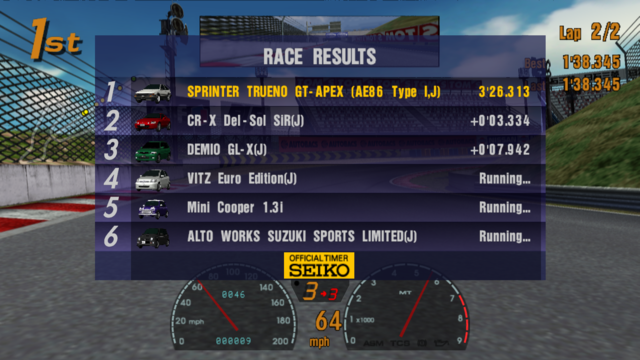
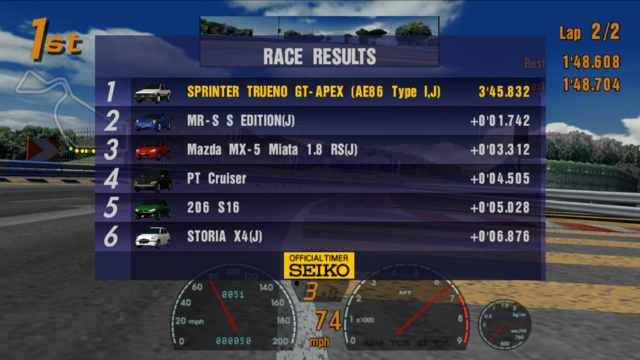
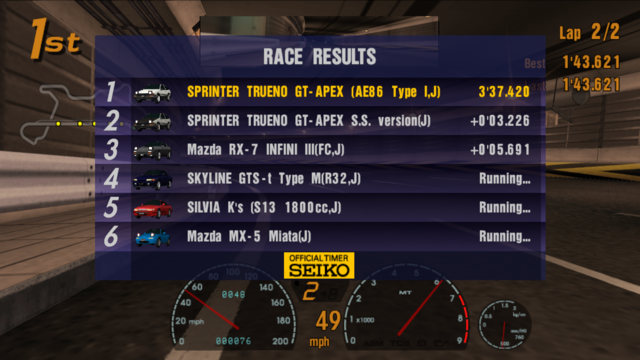
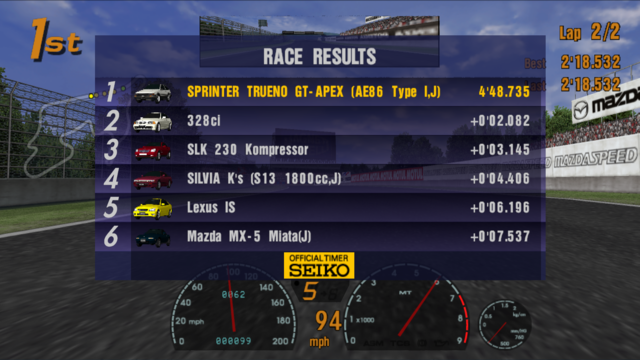
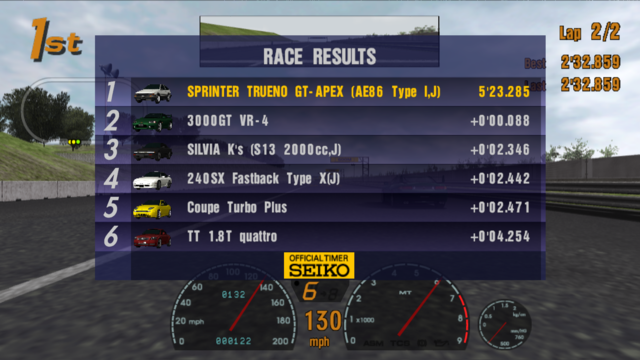
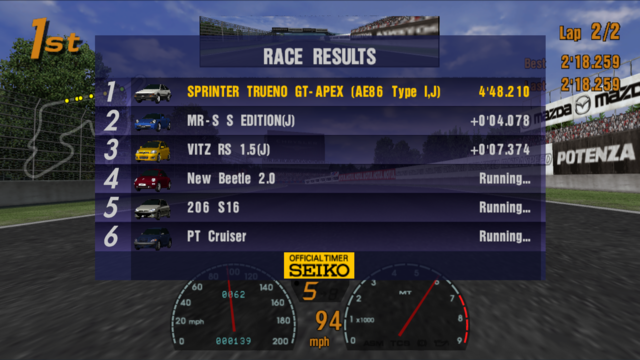
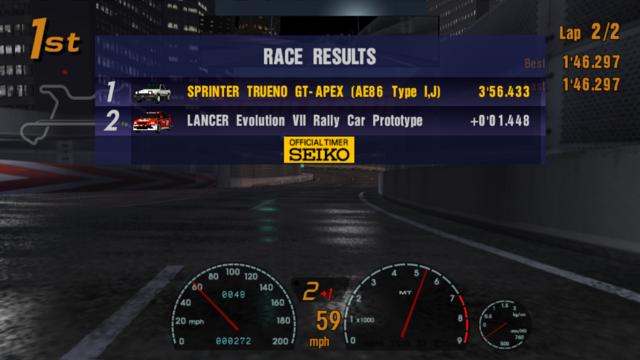
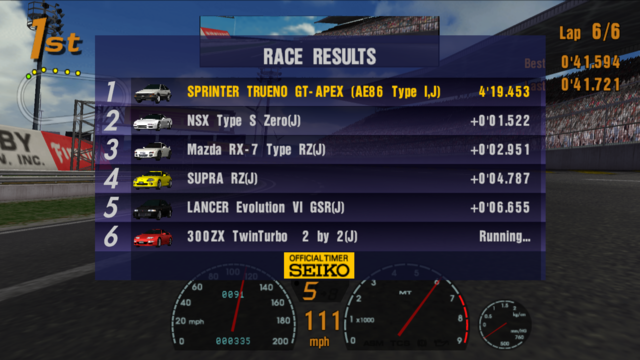
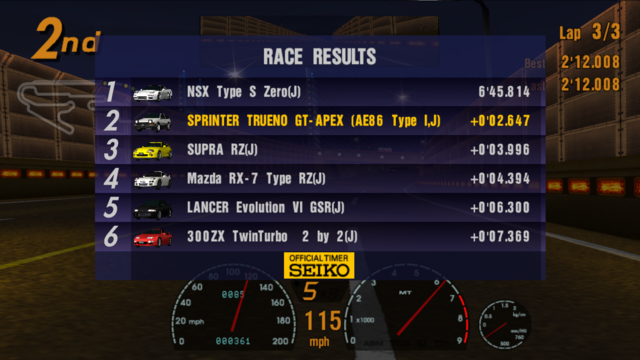
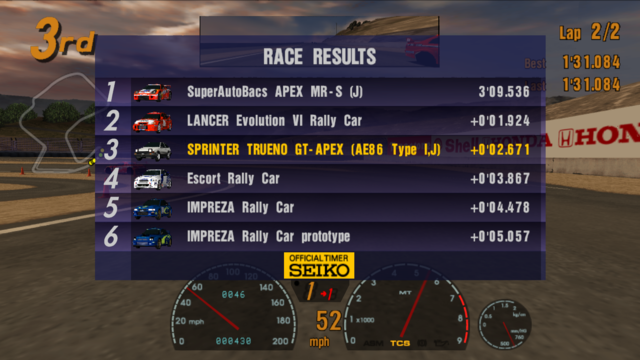
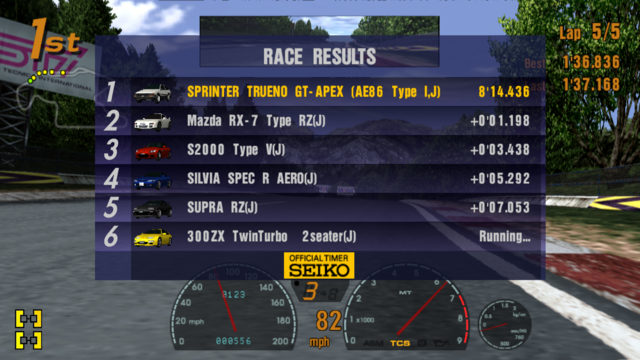
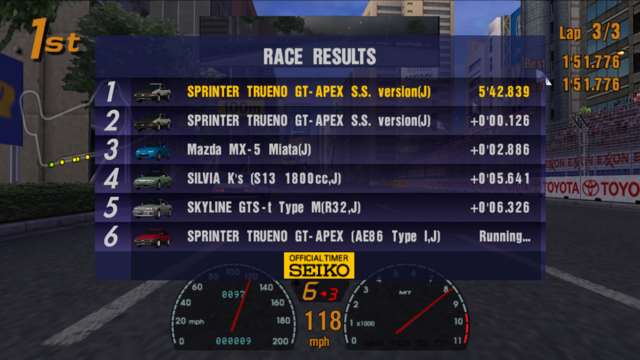
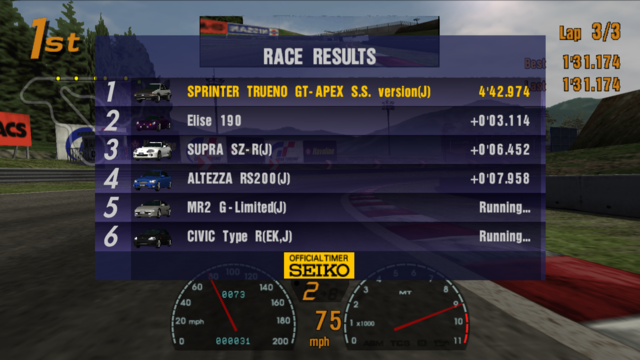
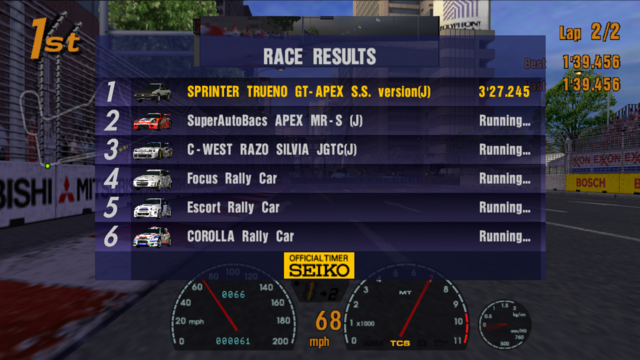
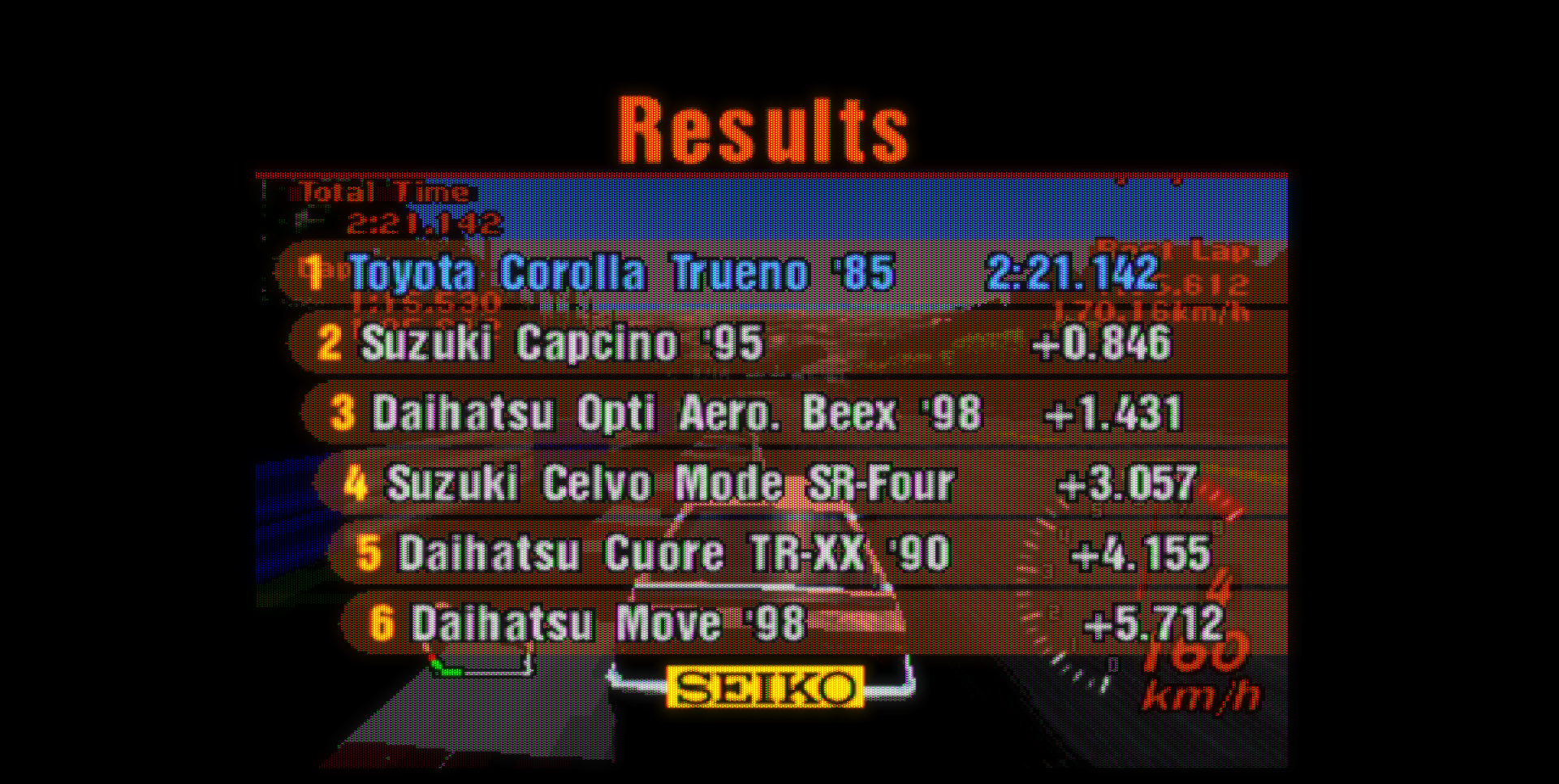
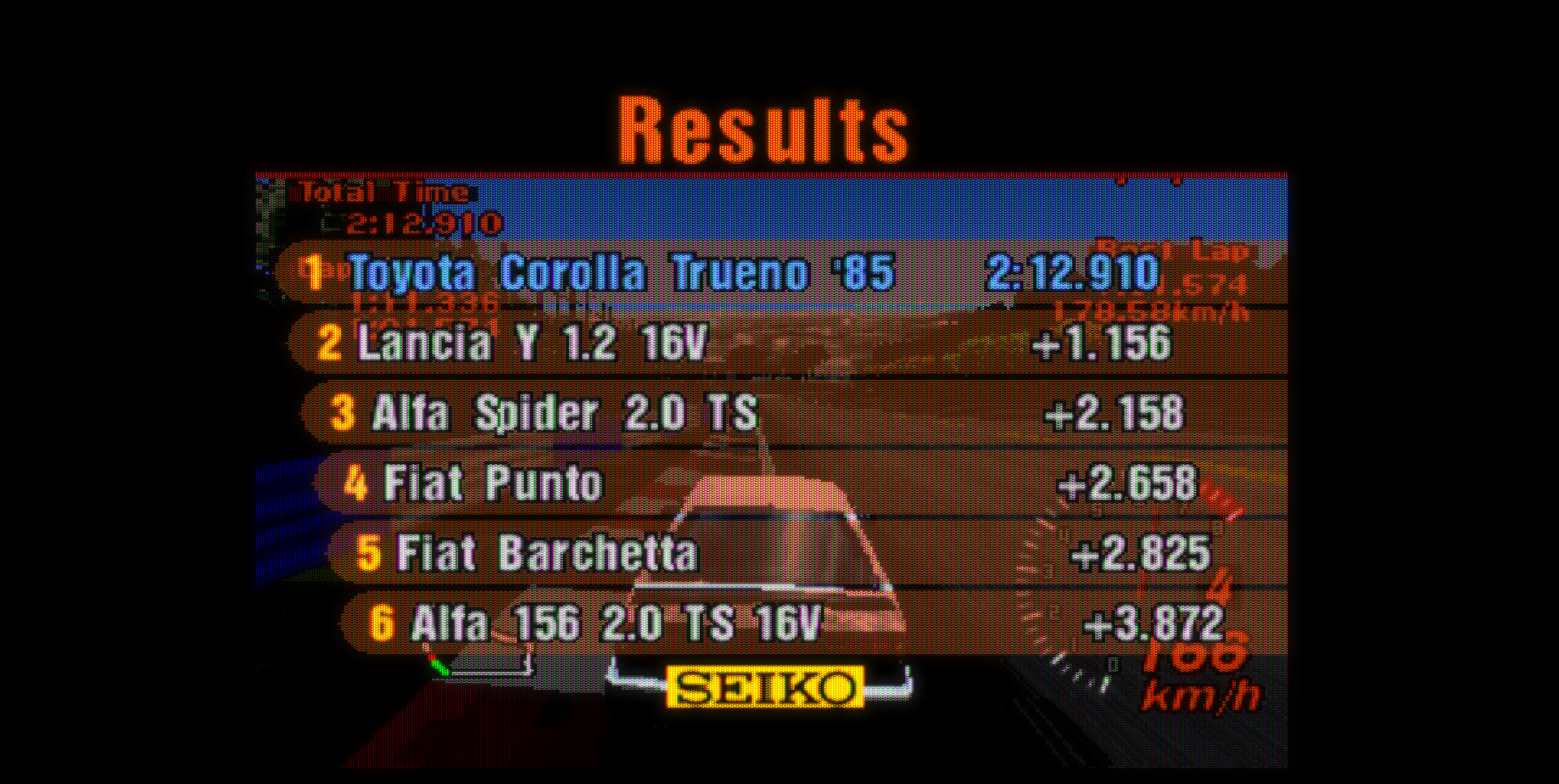
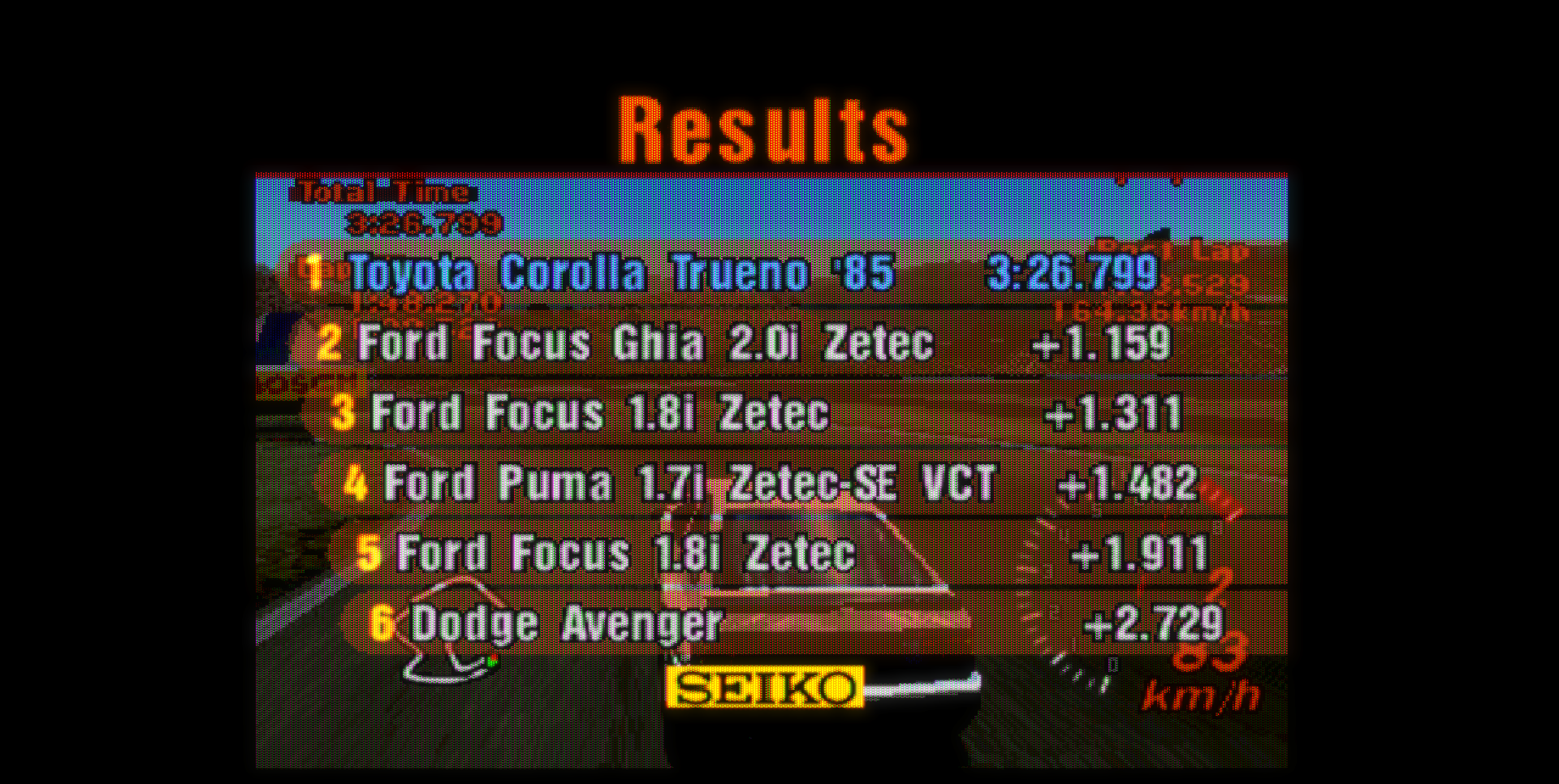
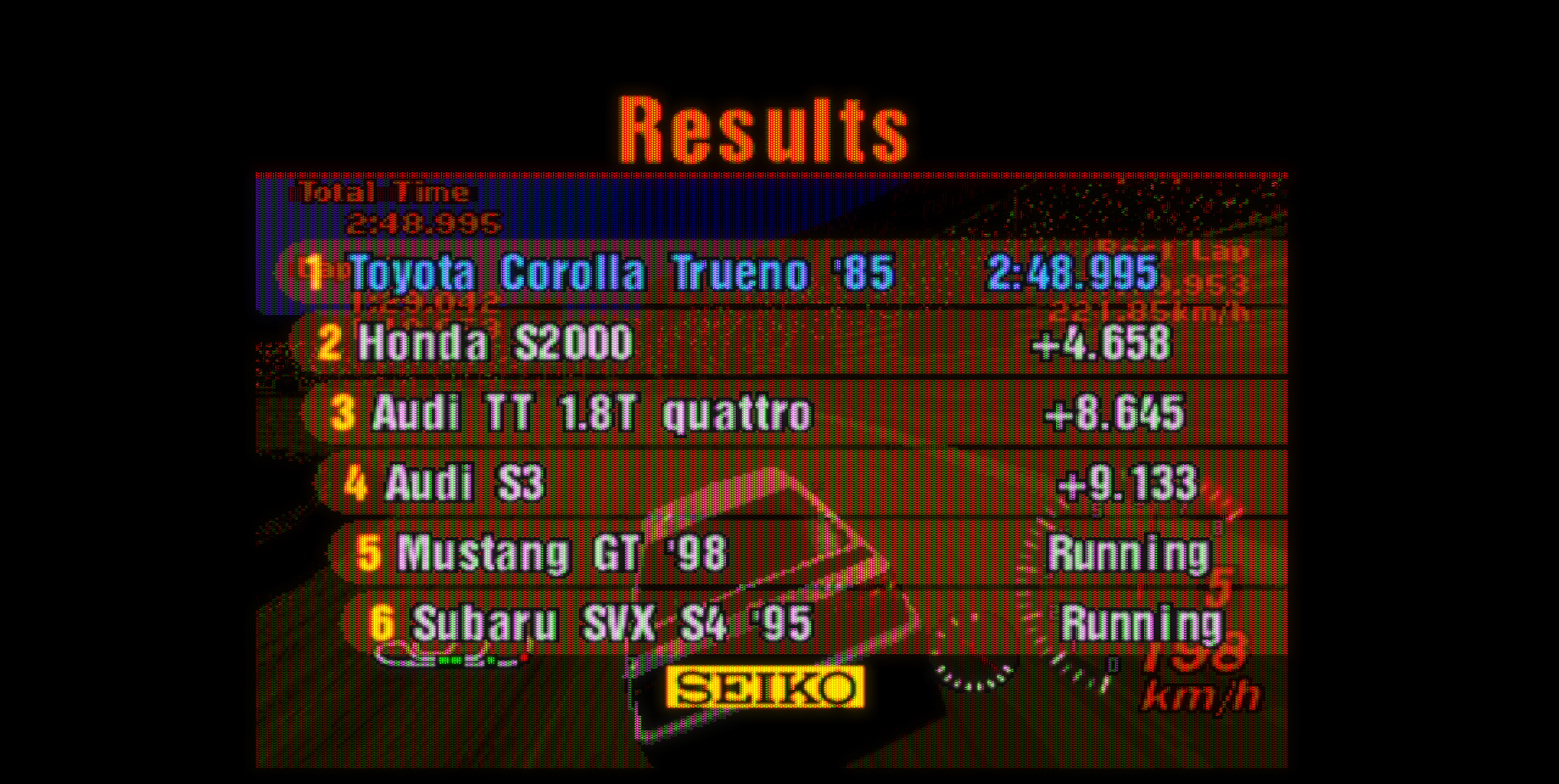
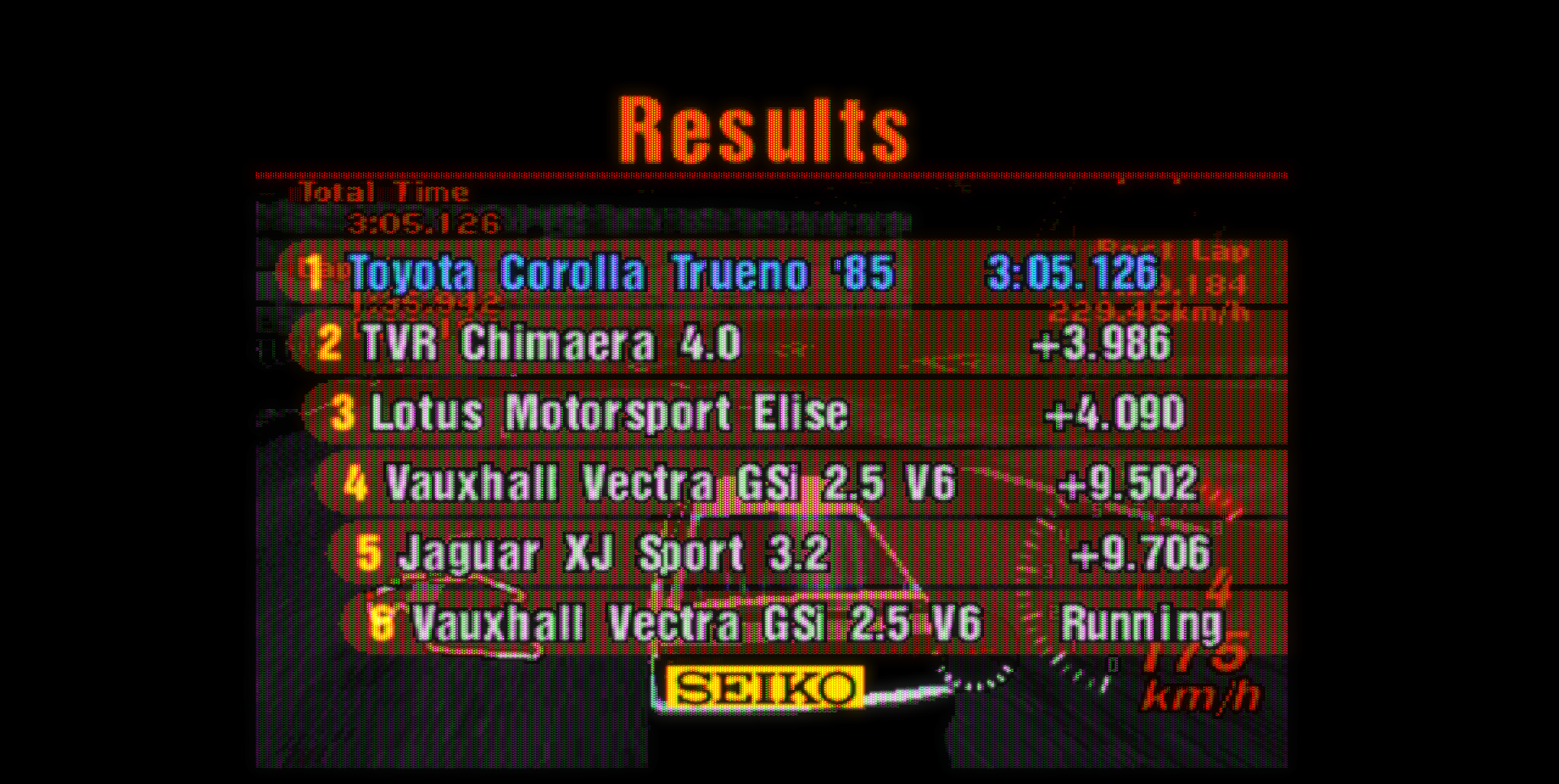
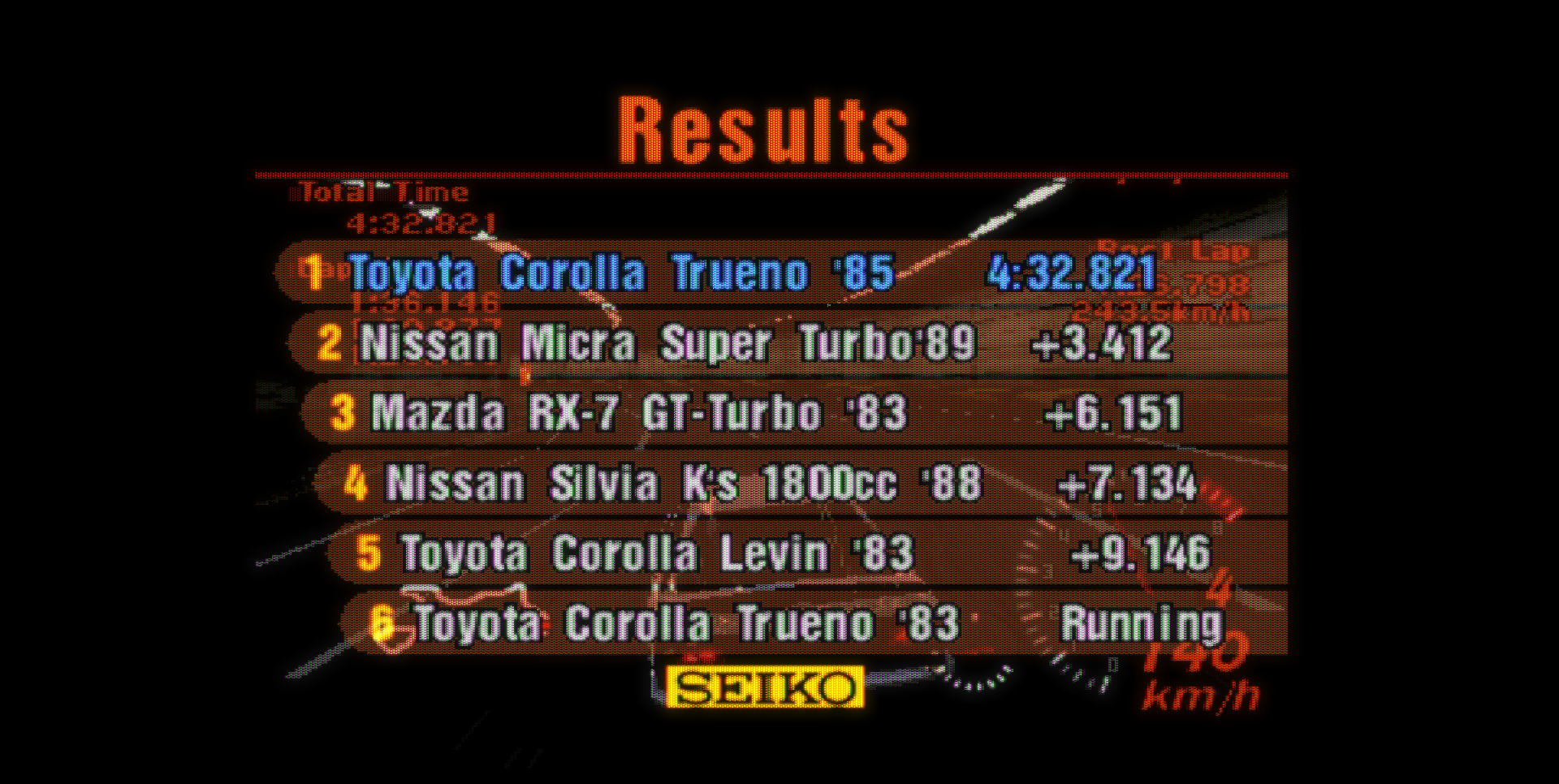
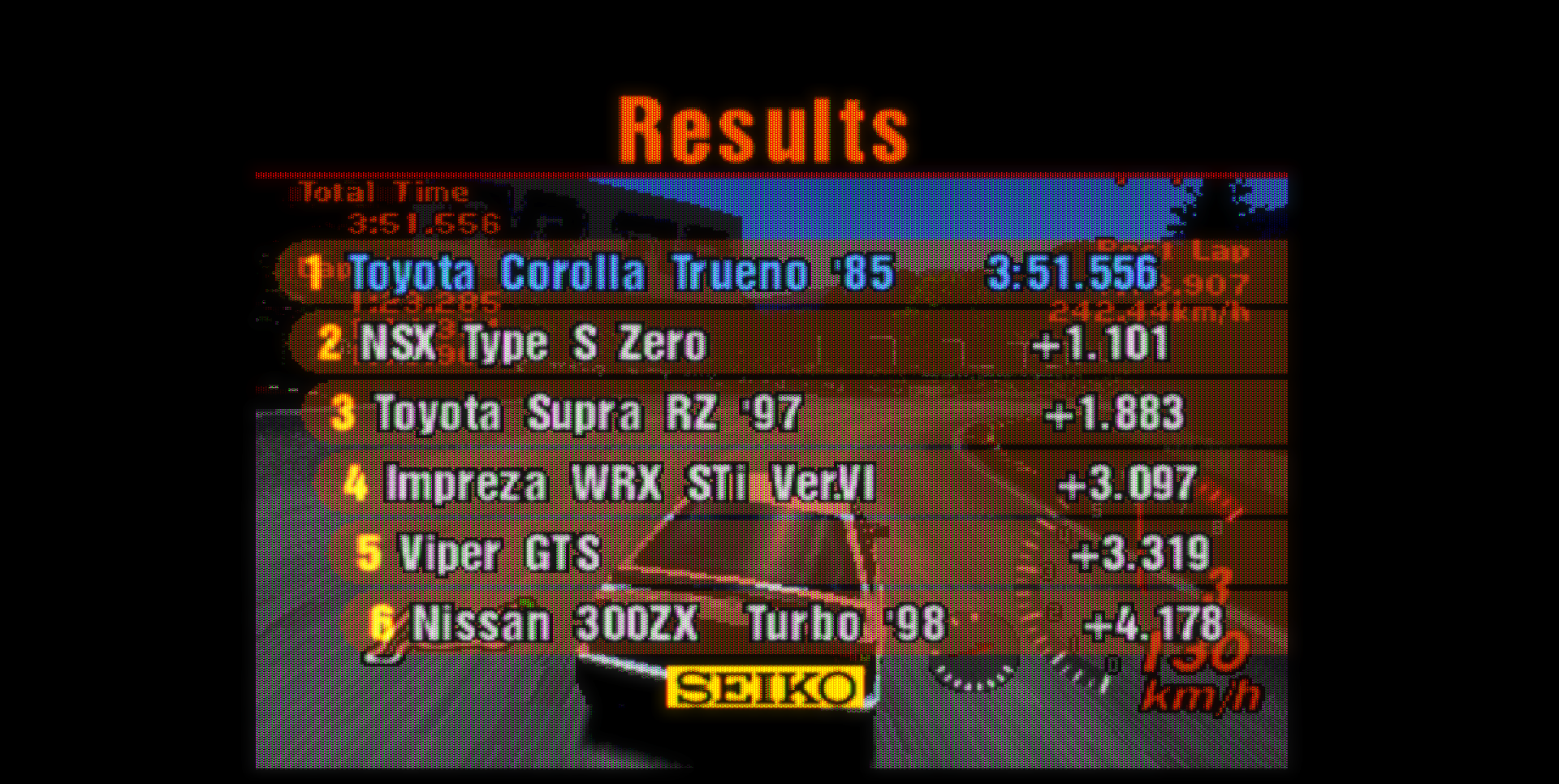
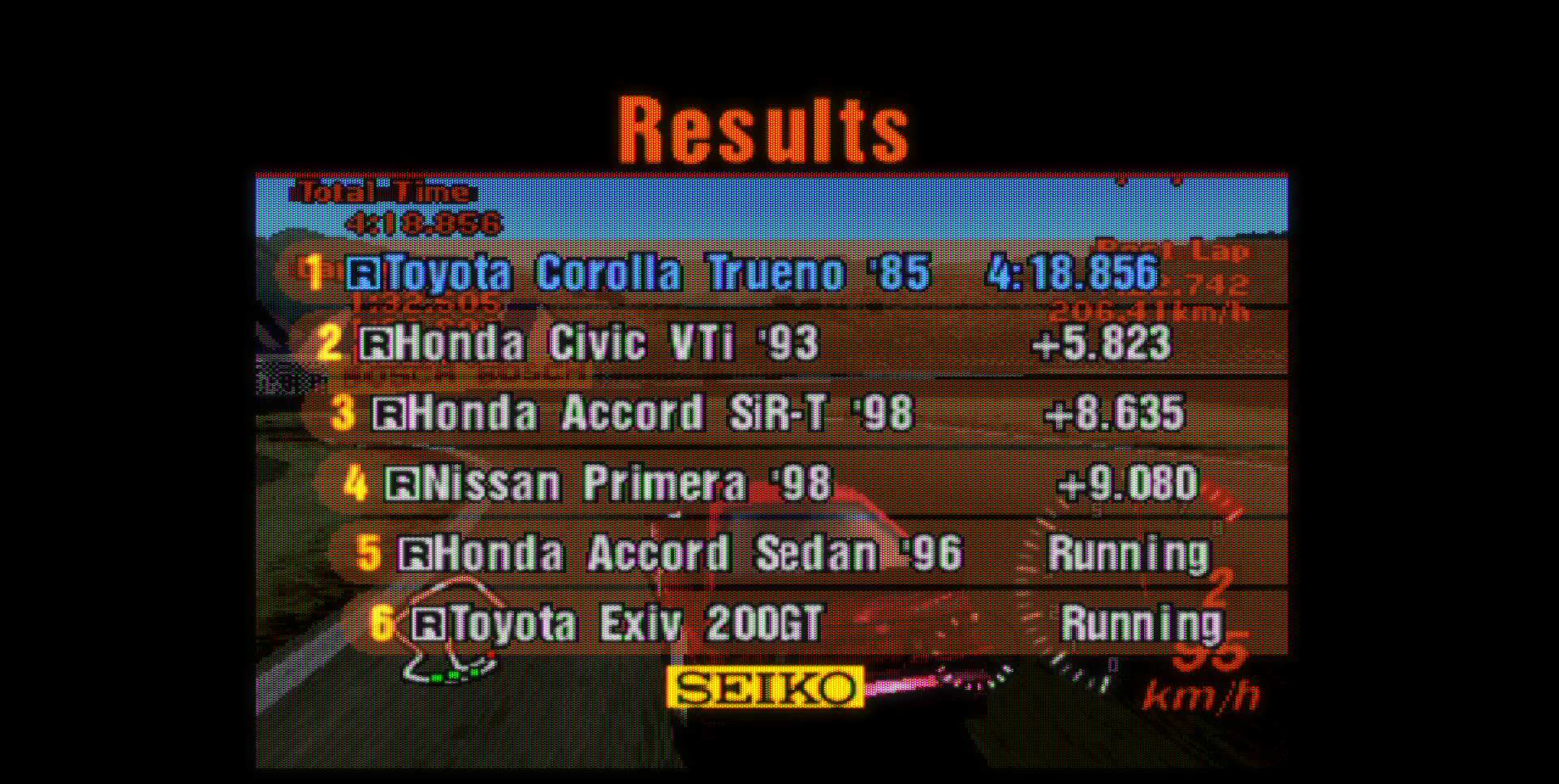
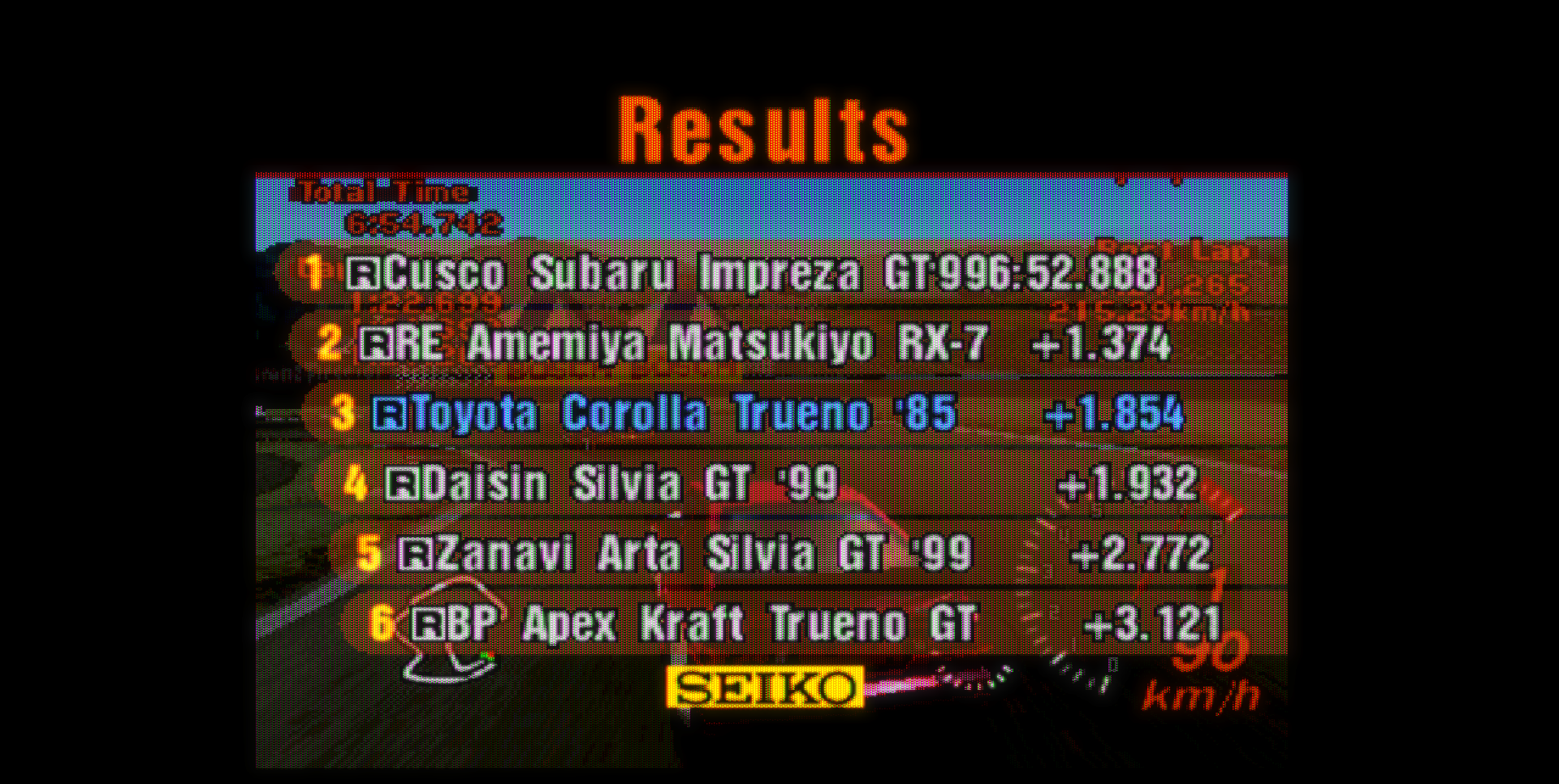
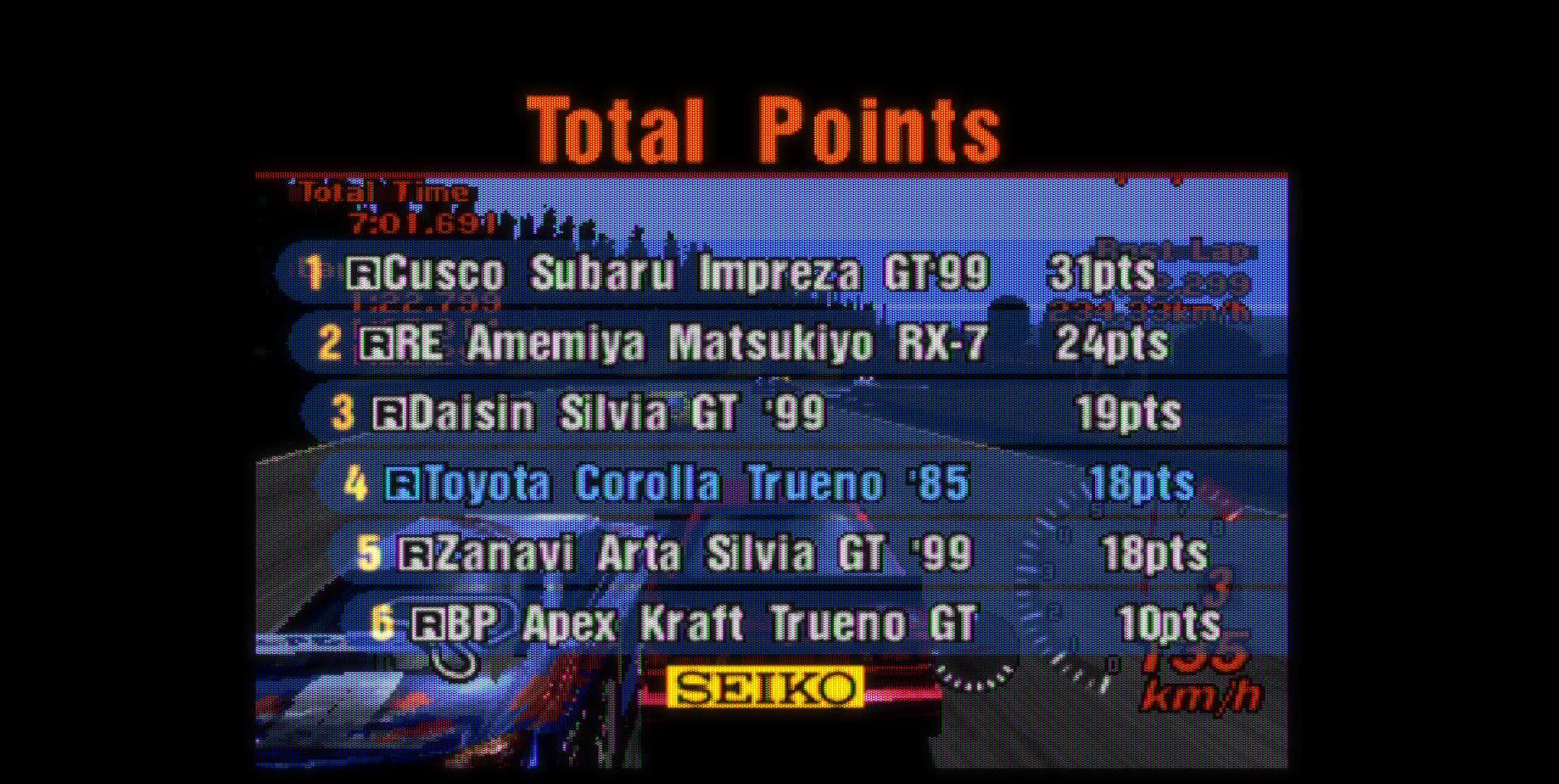
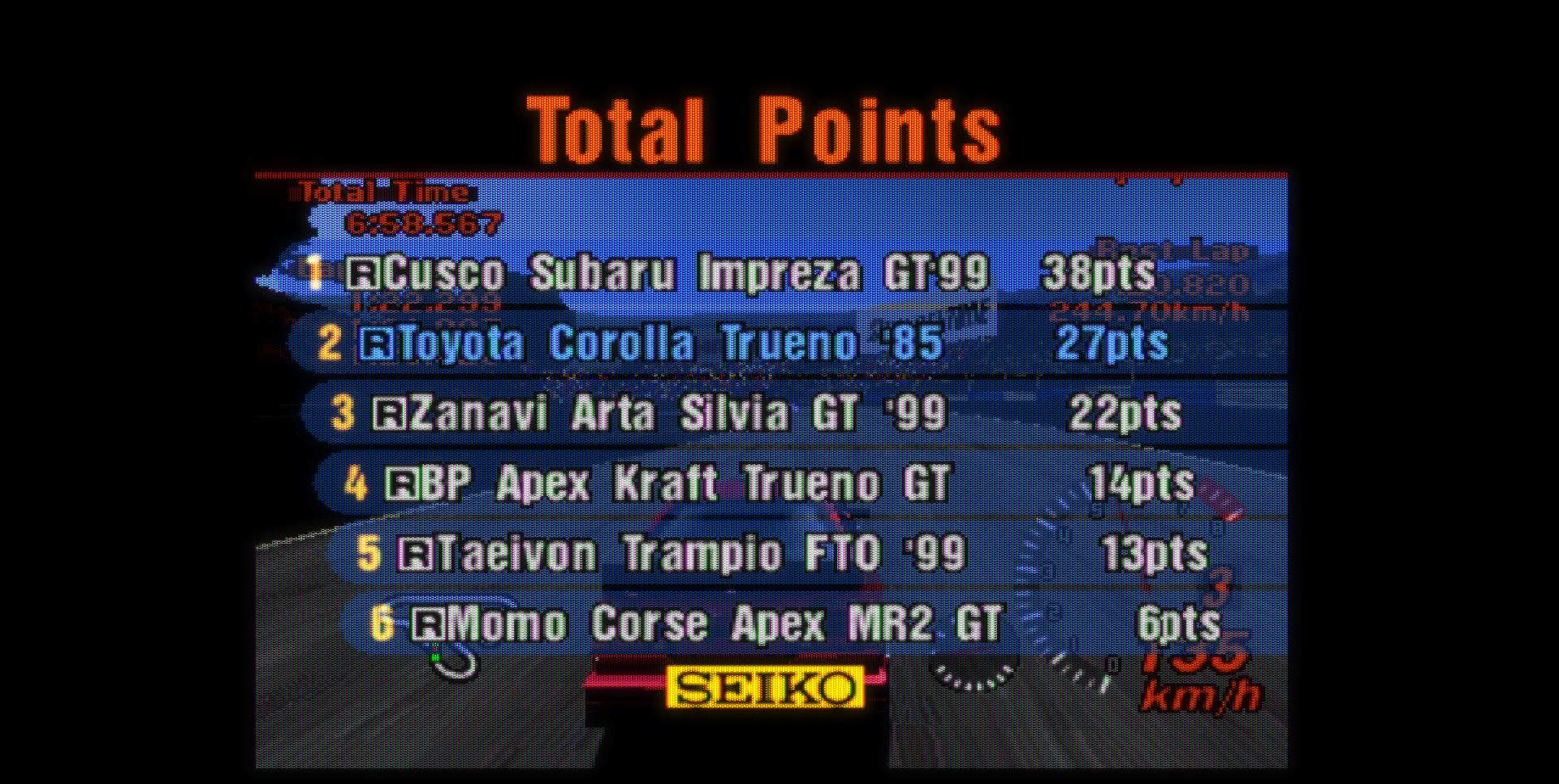
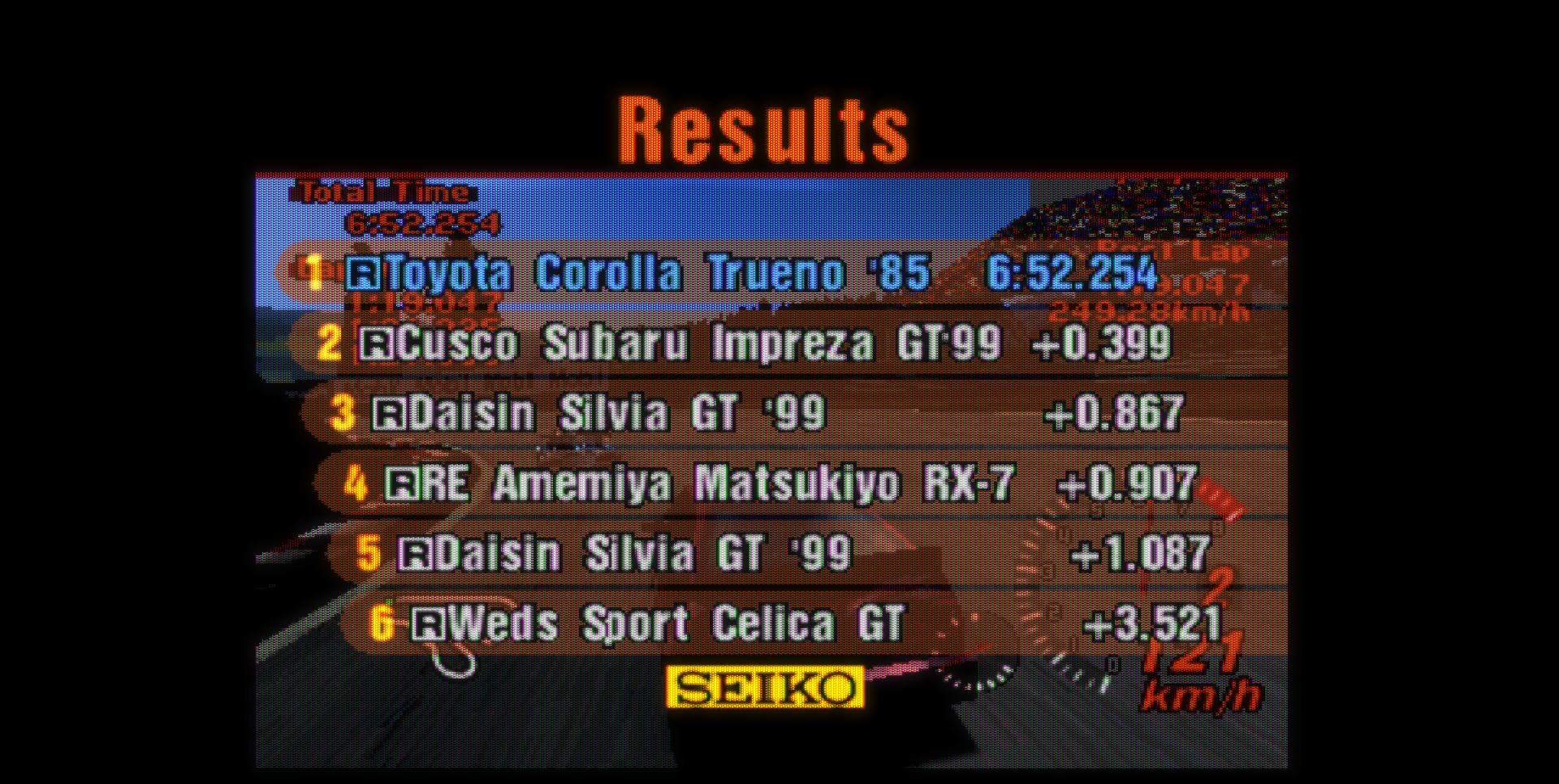
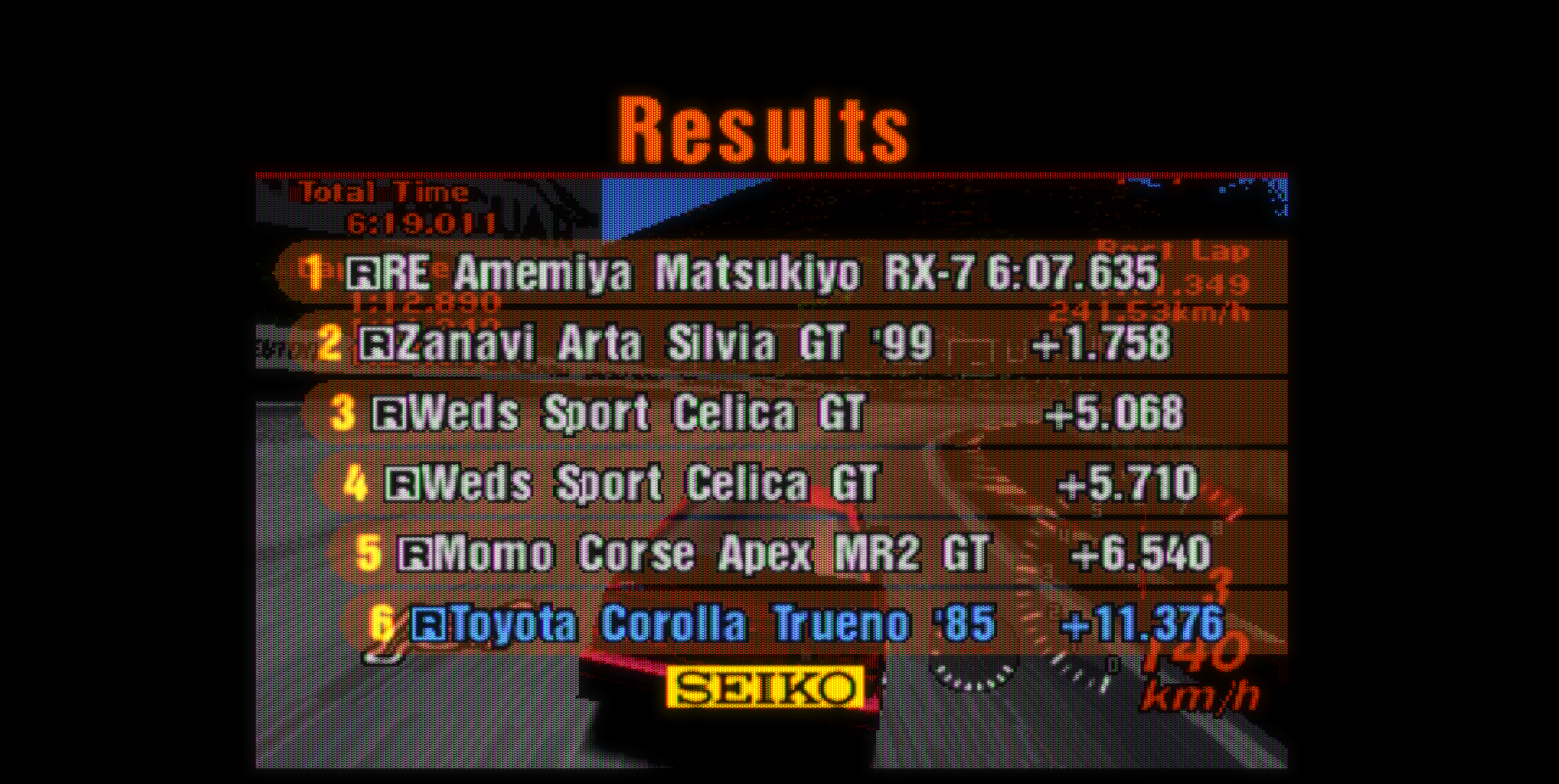
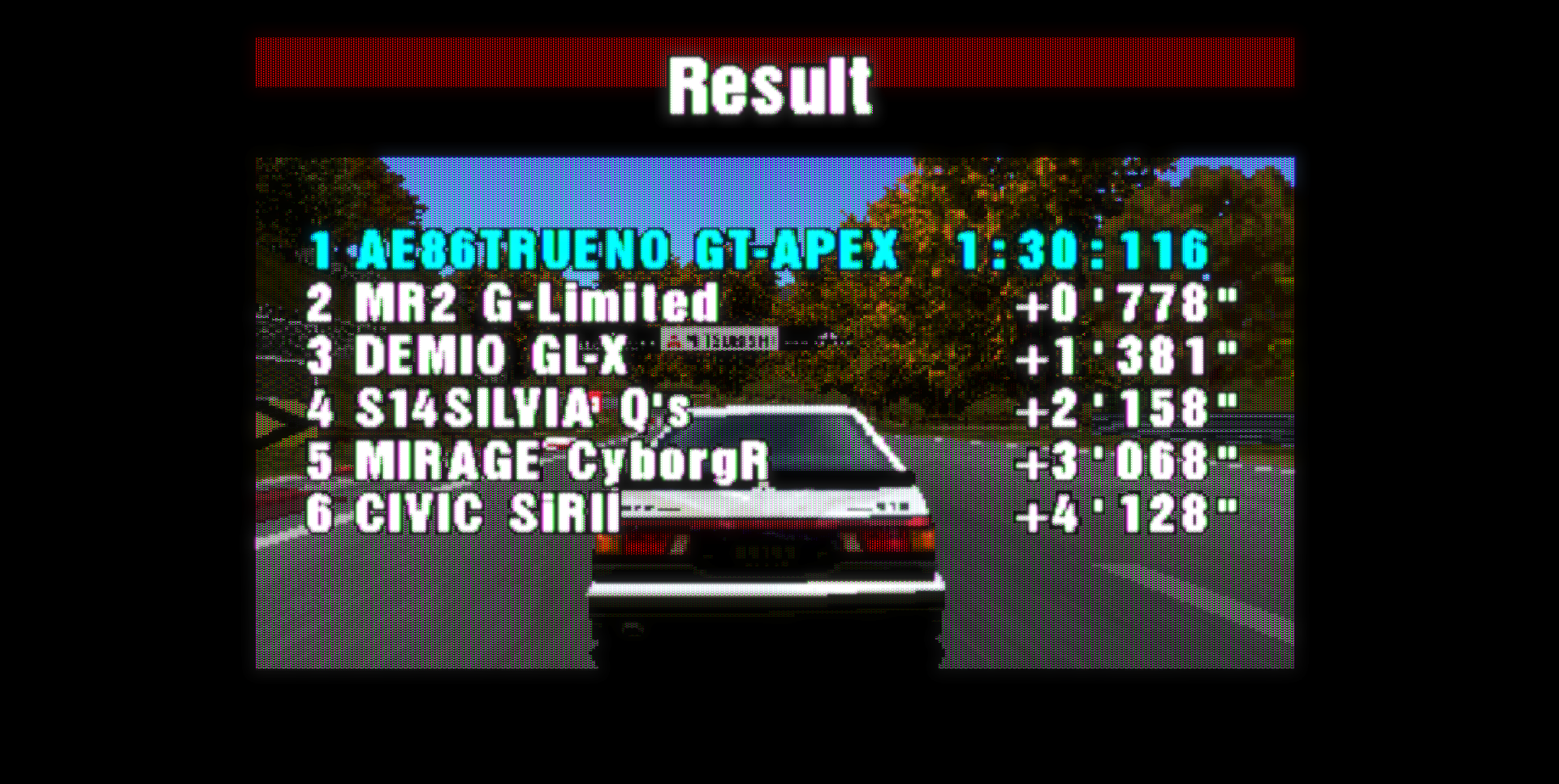
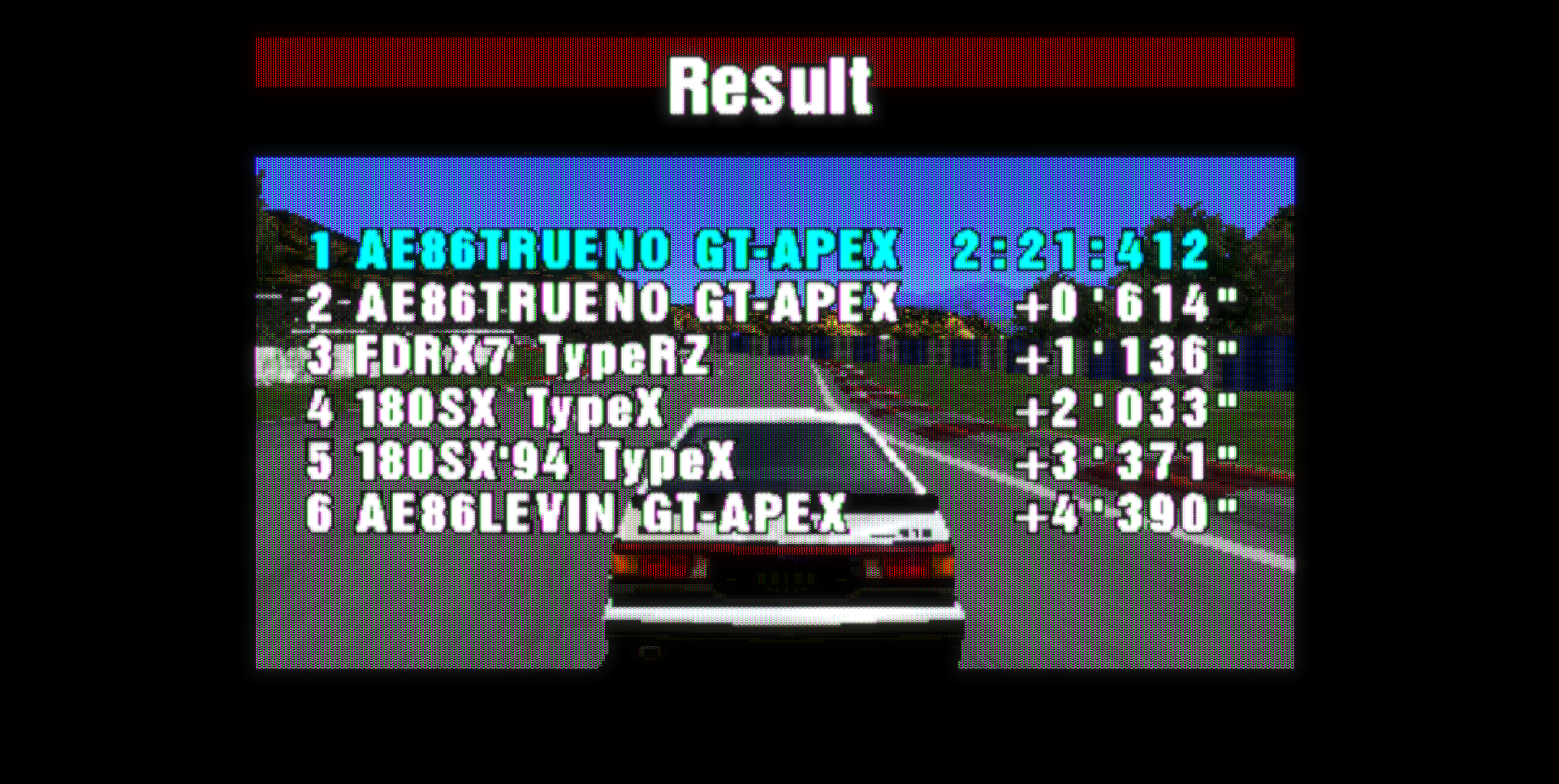
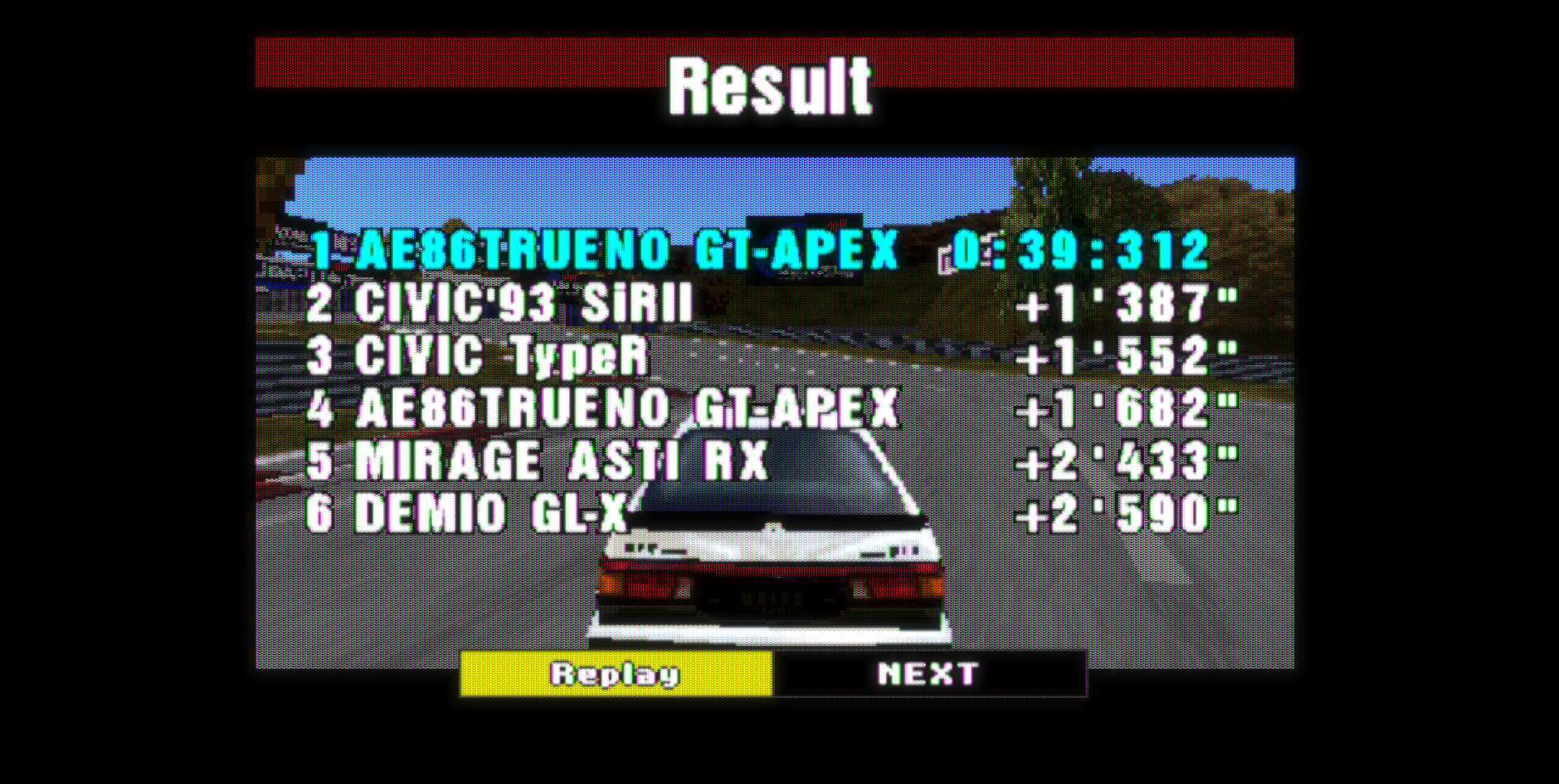
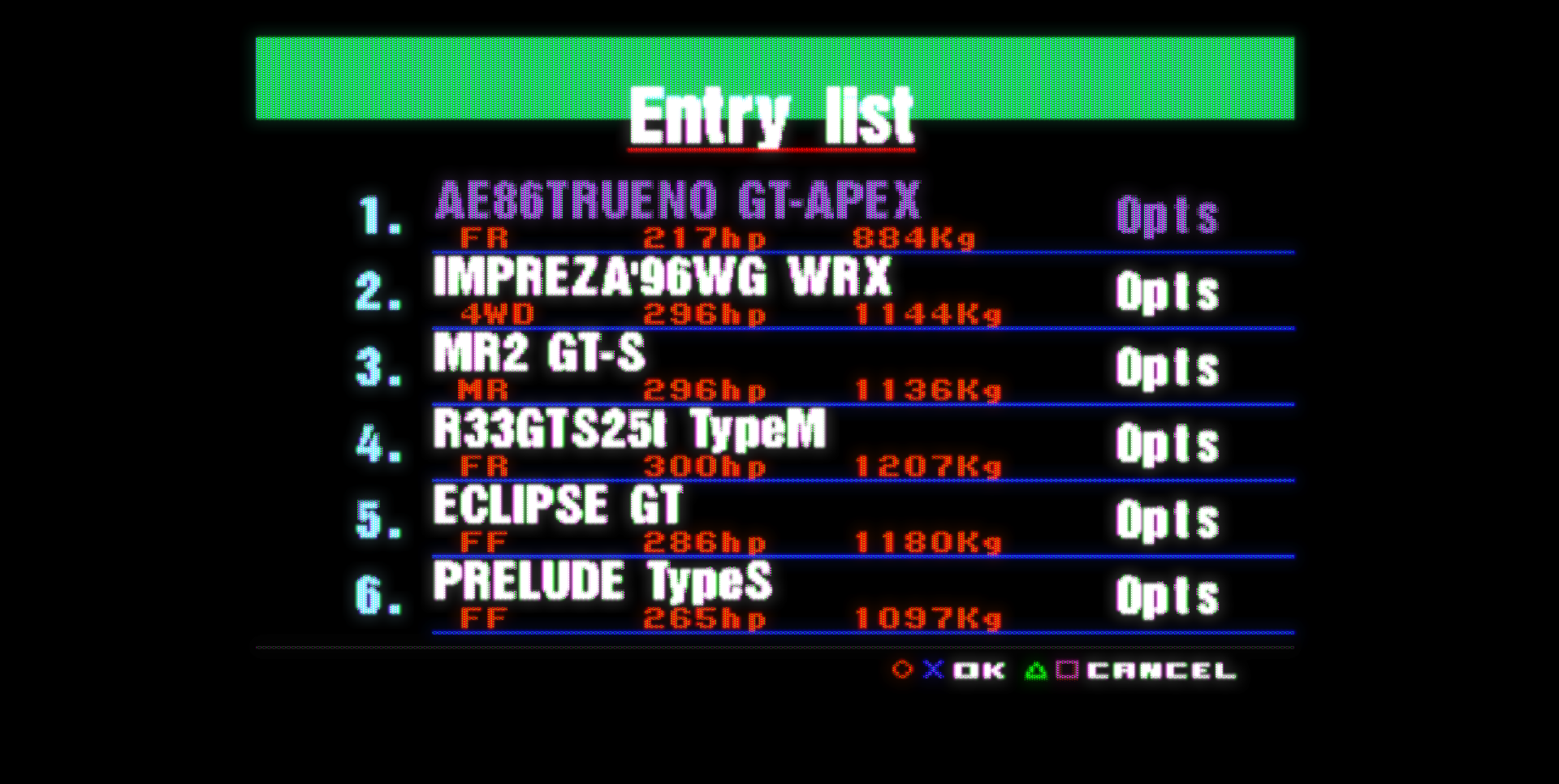
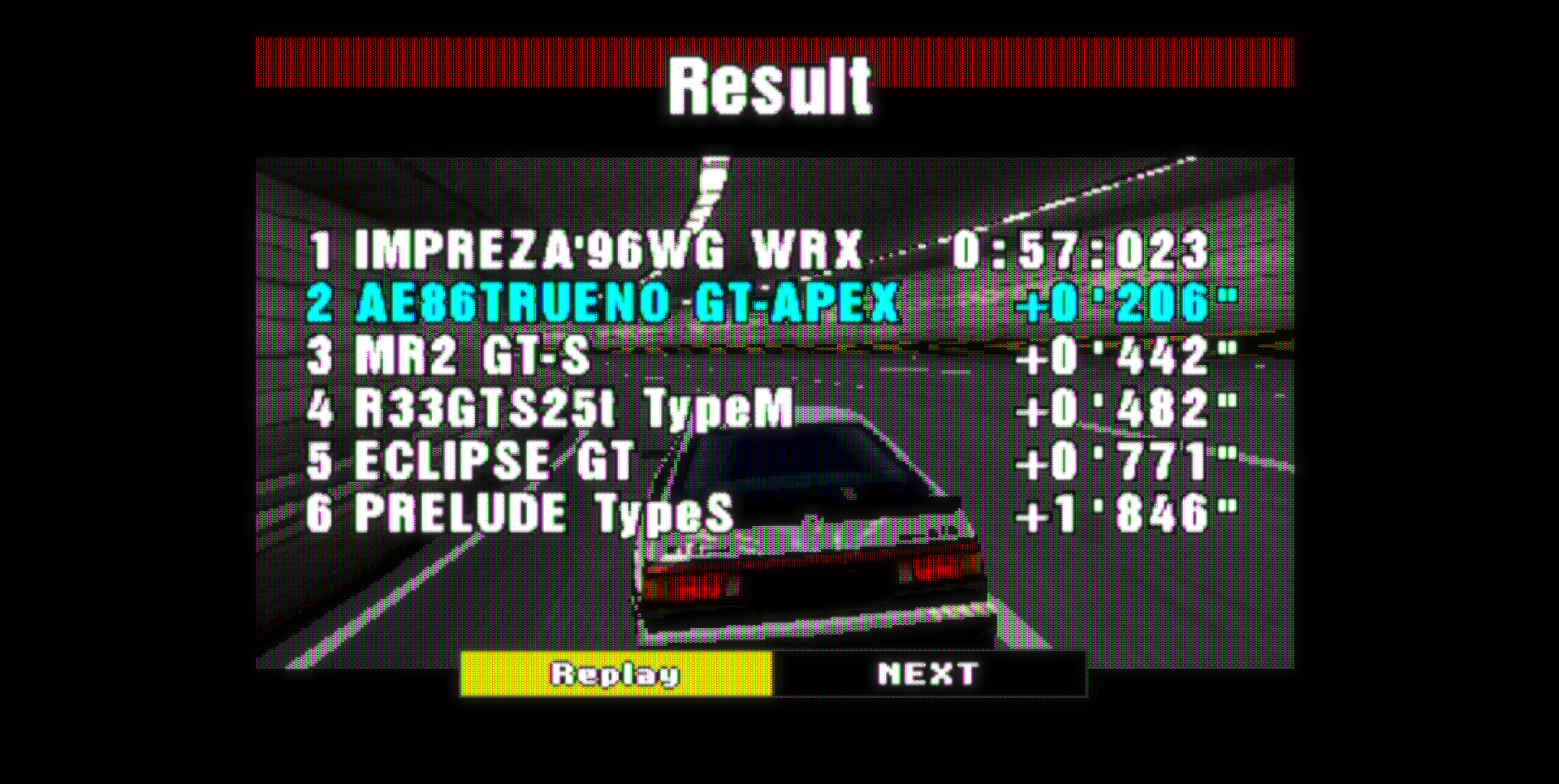
The GT World Championship in GT3 is a ten-race series against different opponents, depending on the league; in the Beginner League version, you're up against mostly rally cars, with other low-end race cars such as GT300s sprinkled in. The first race, at Tokyo R246, is a success.
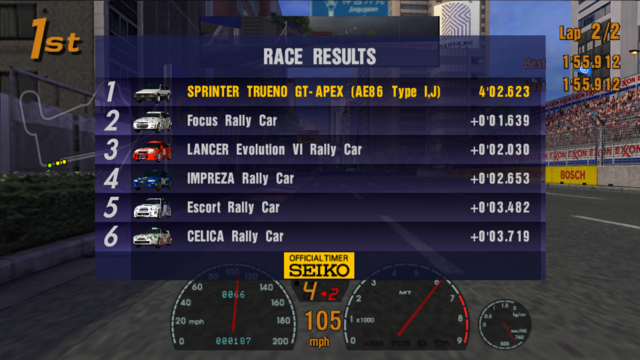
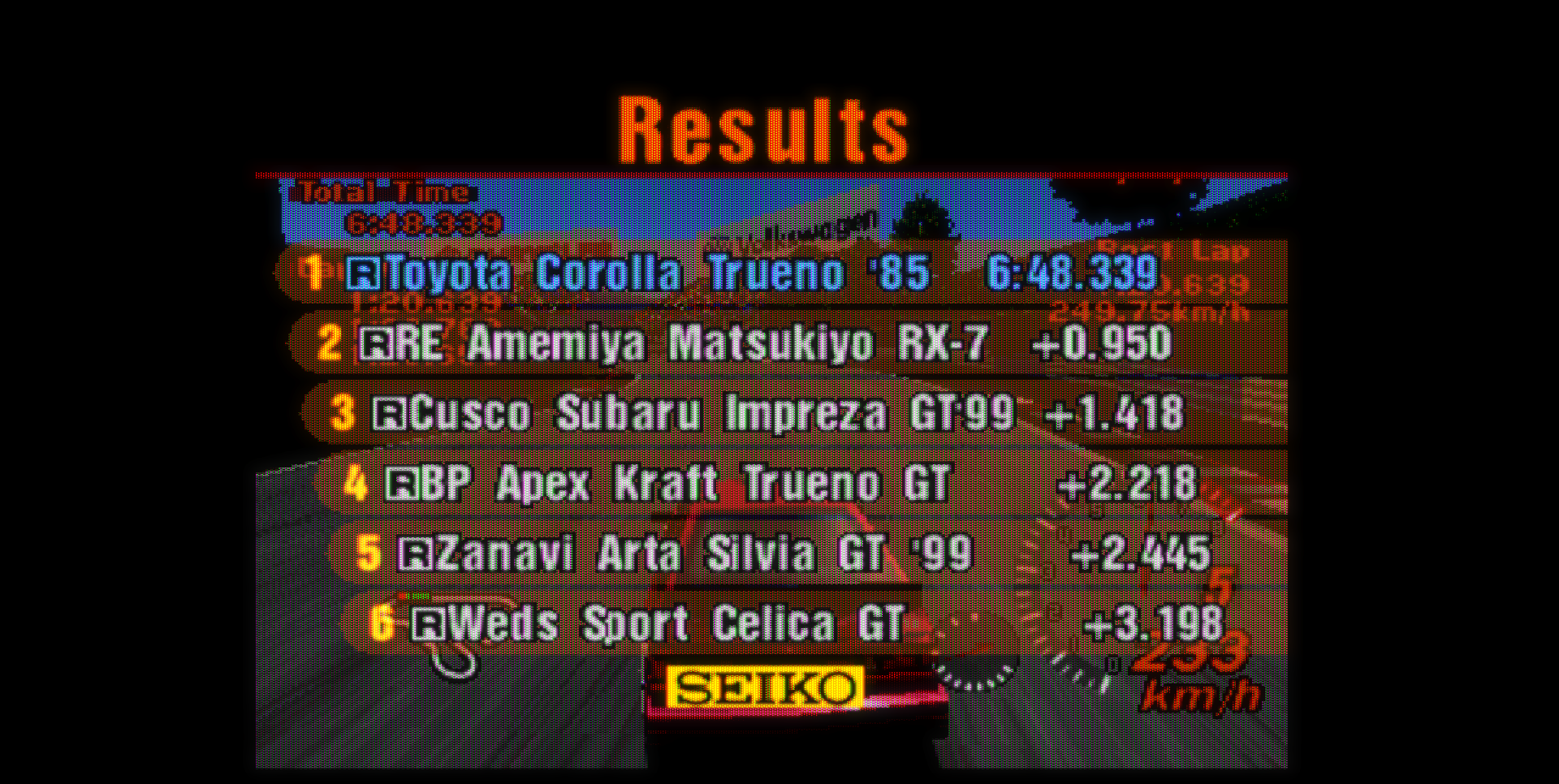
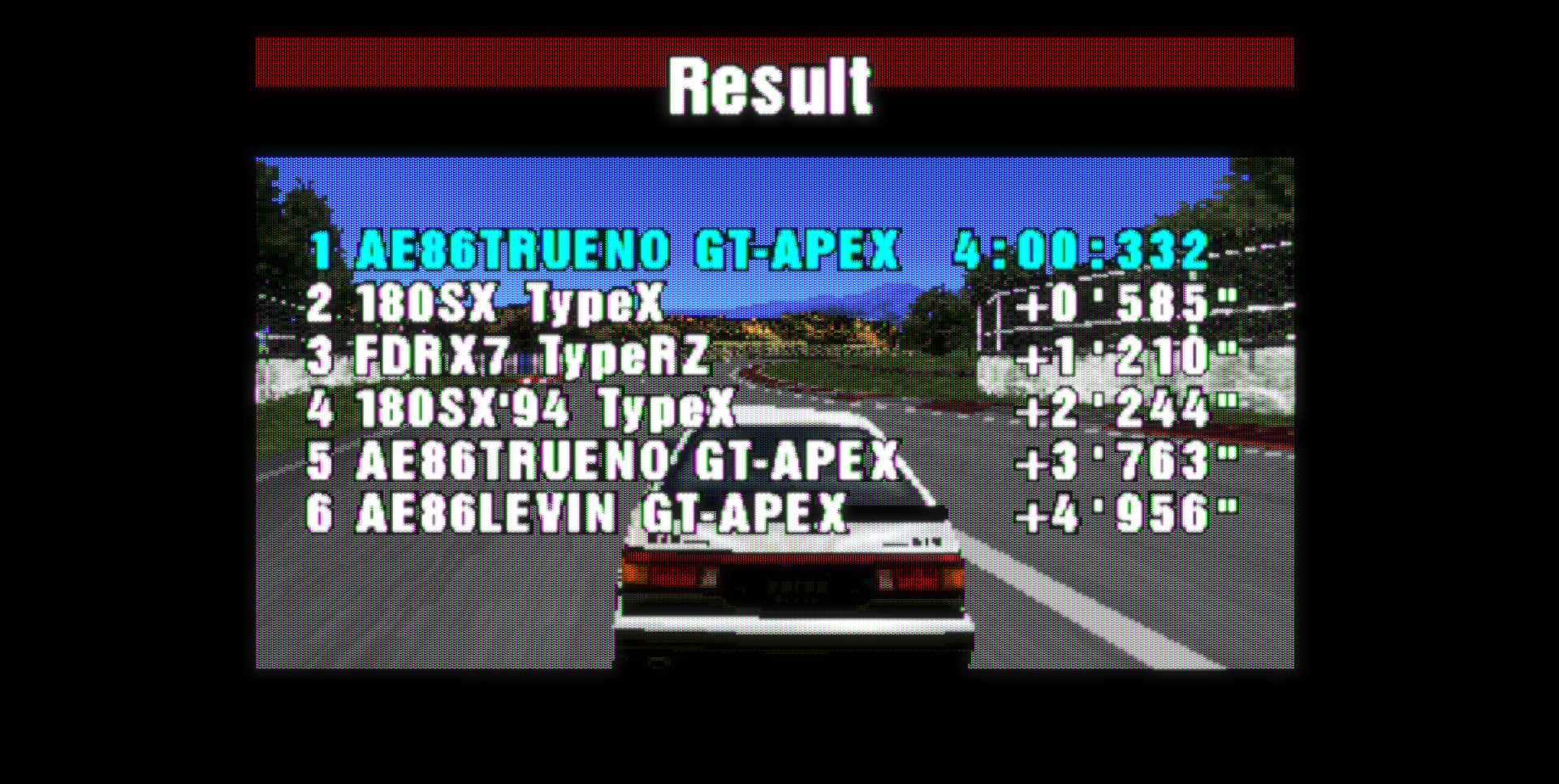
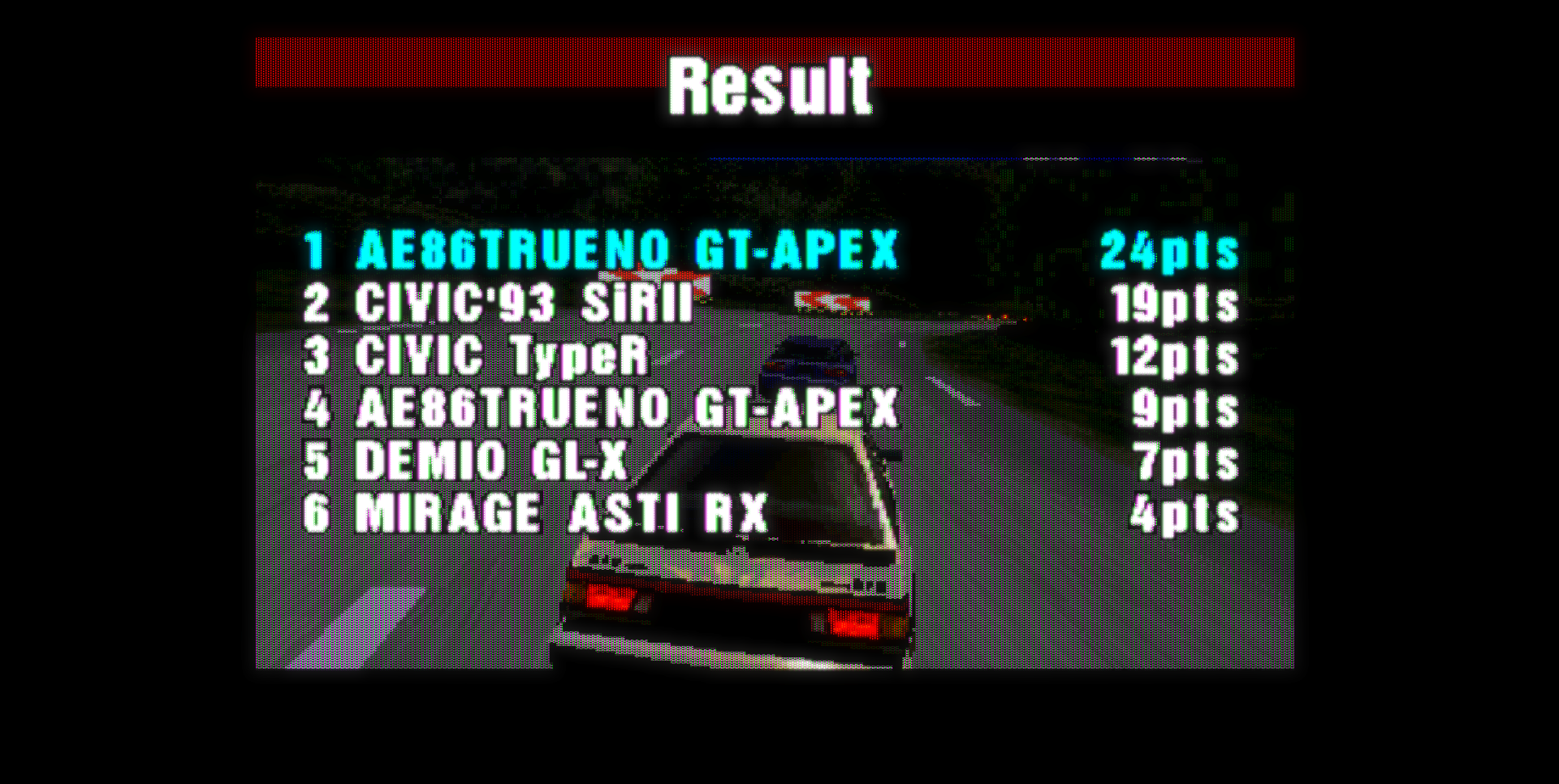
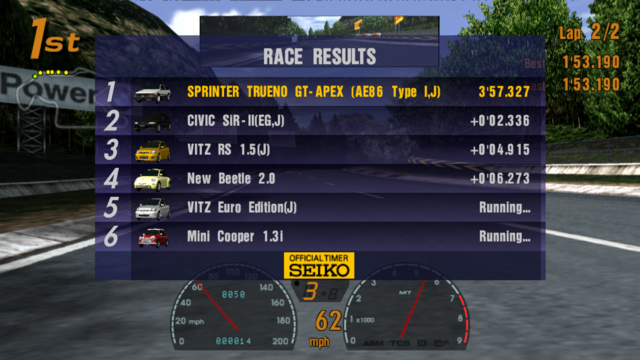
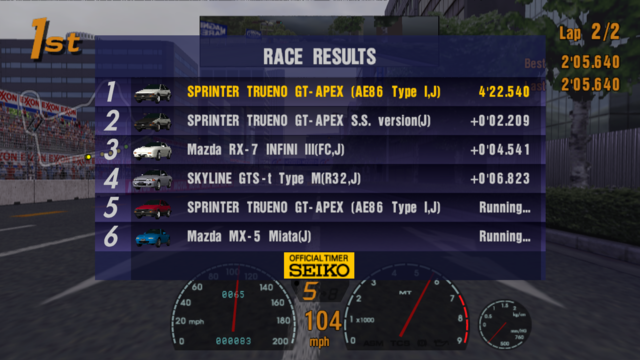
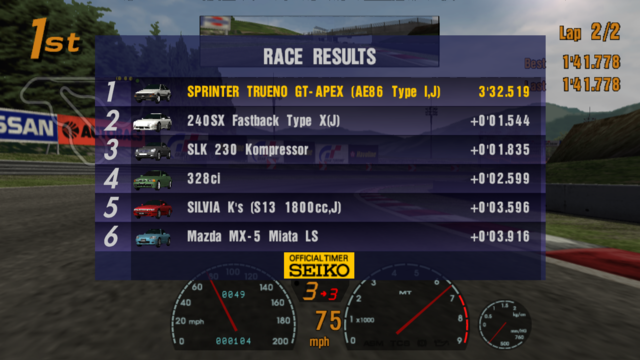
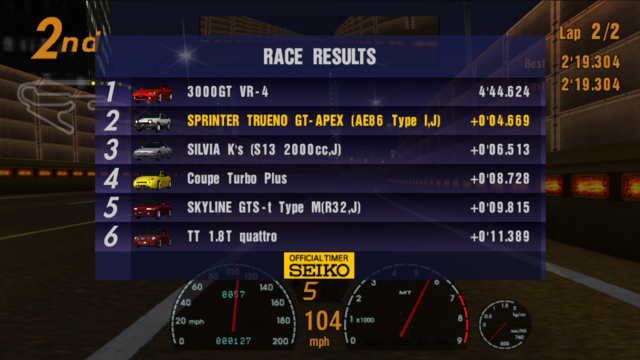
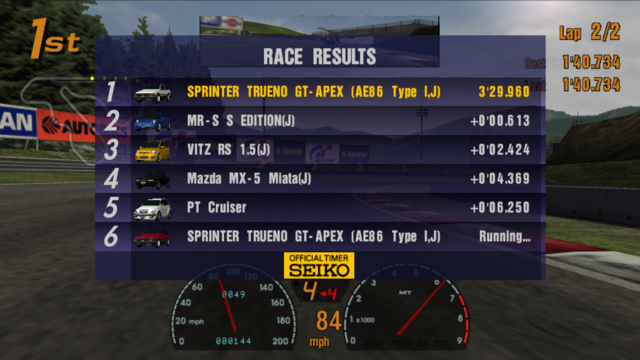
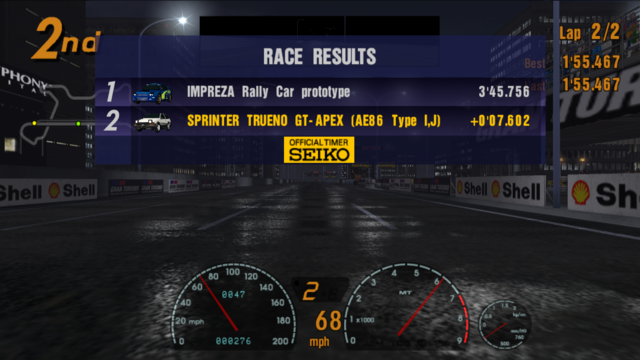
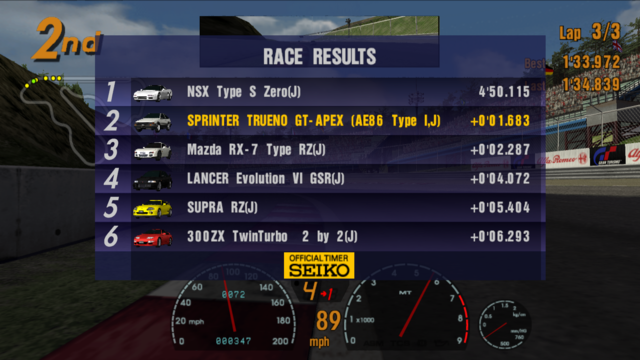
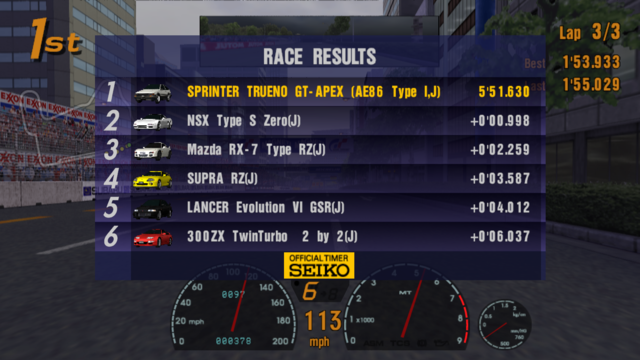
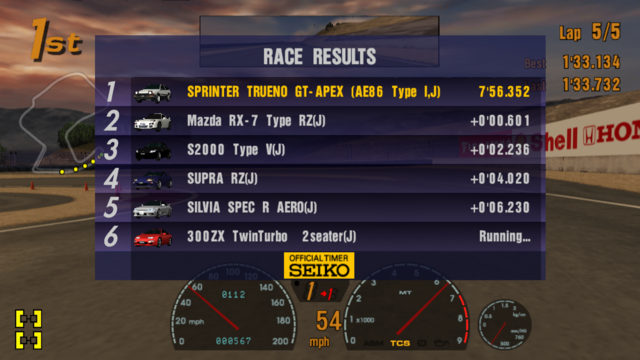
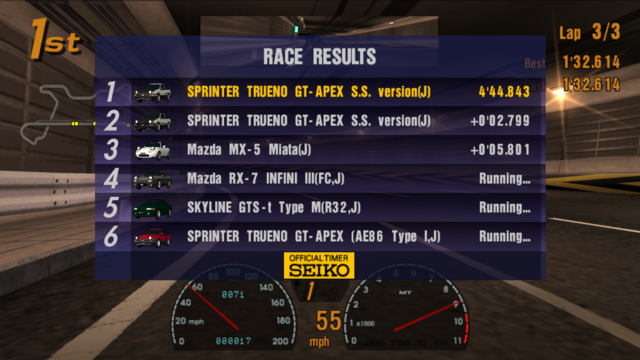
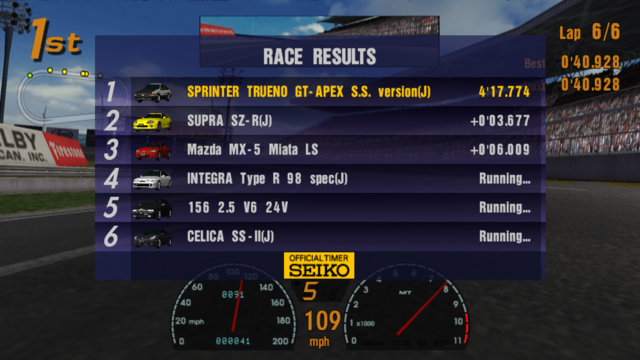
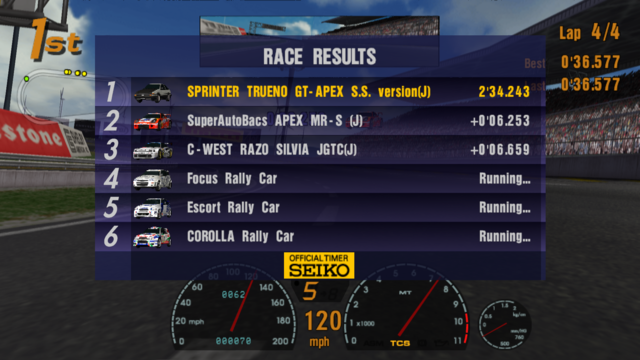
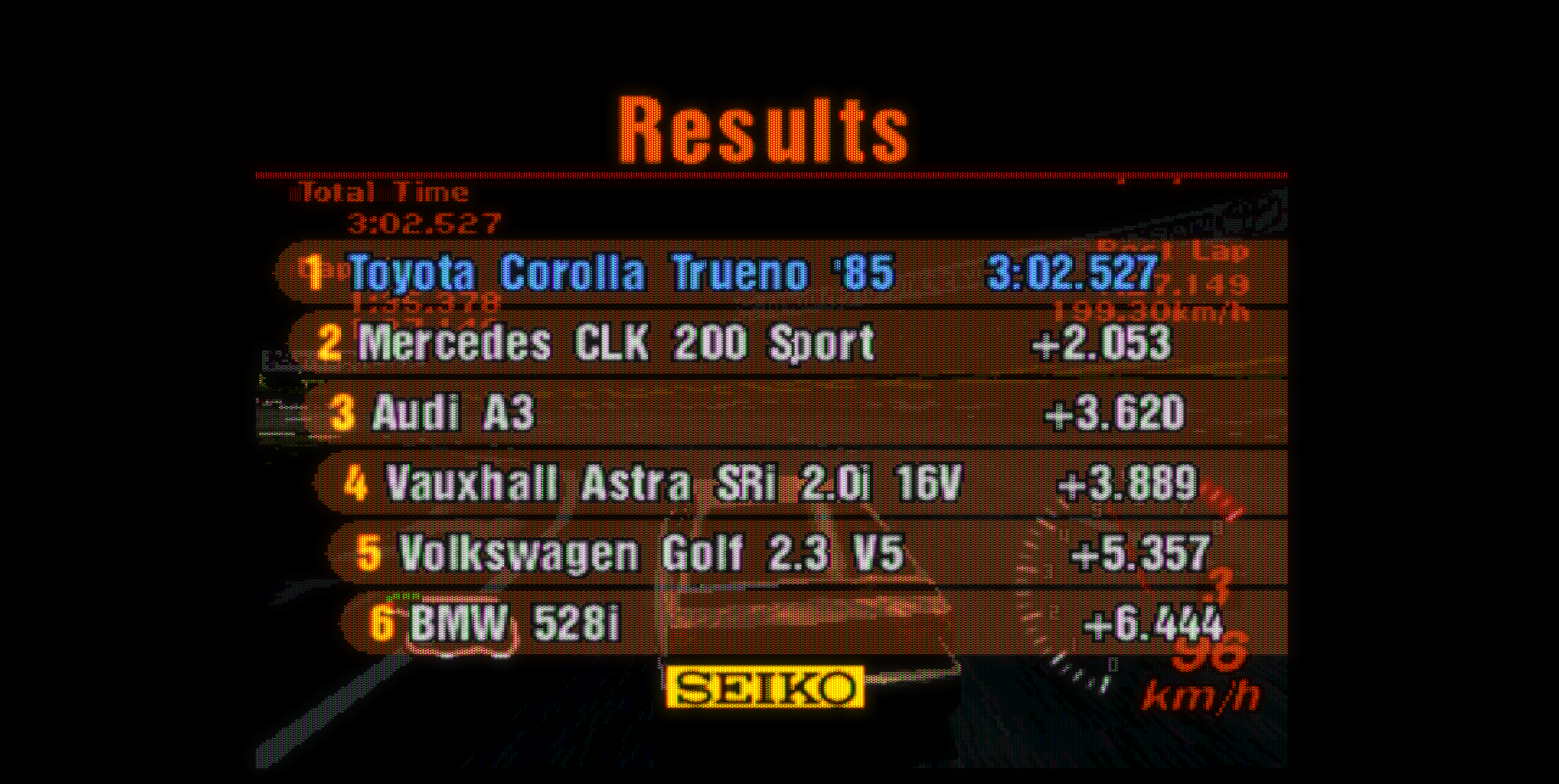
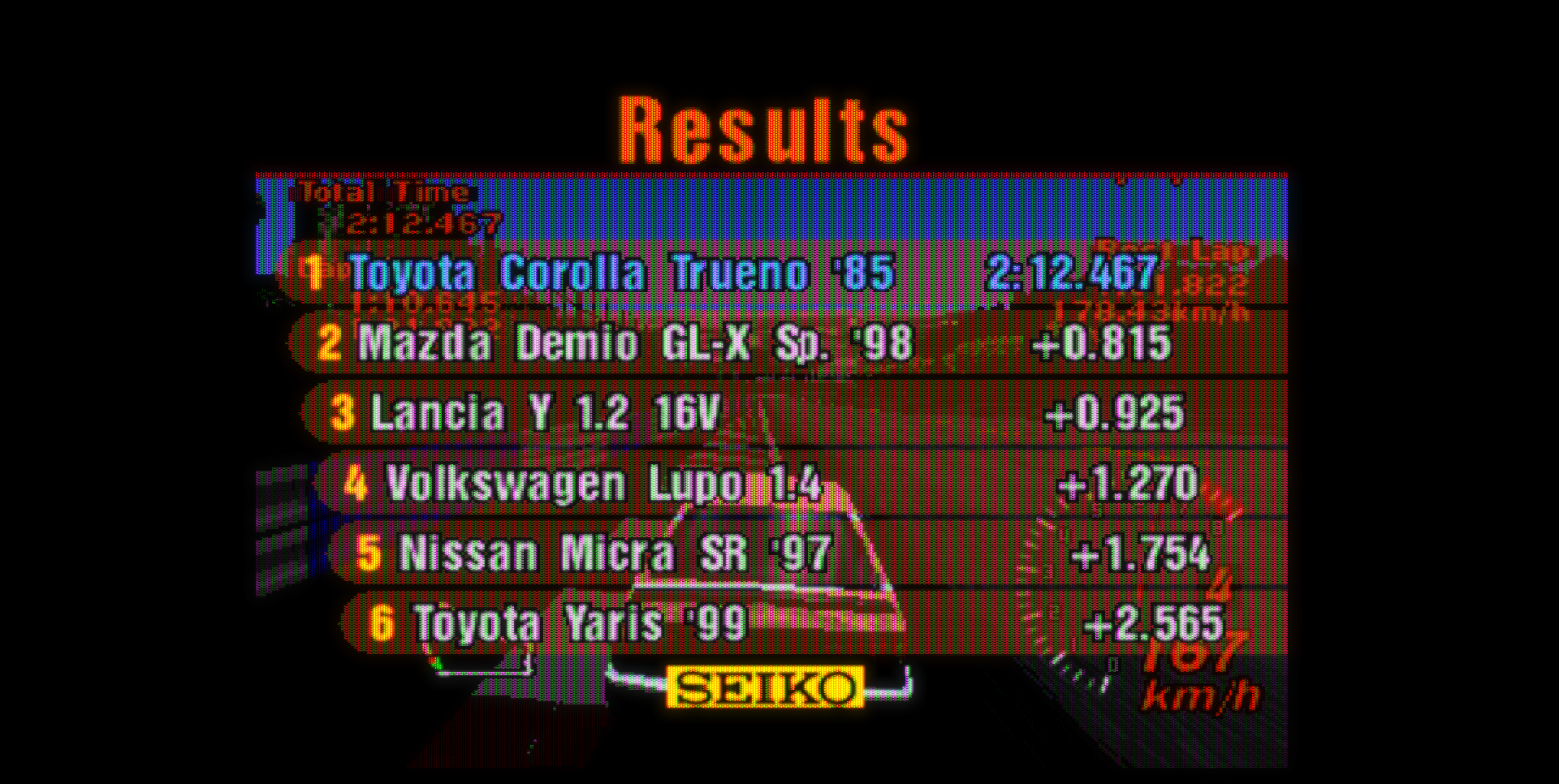
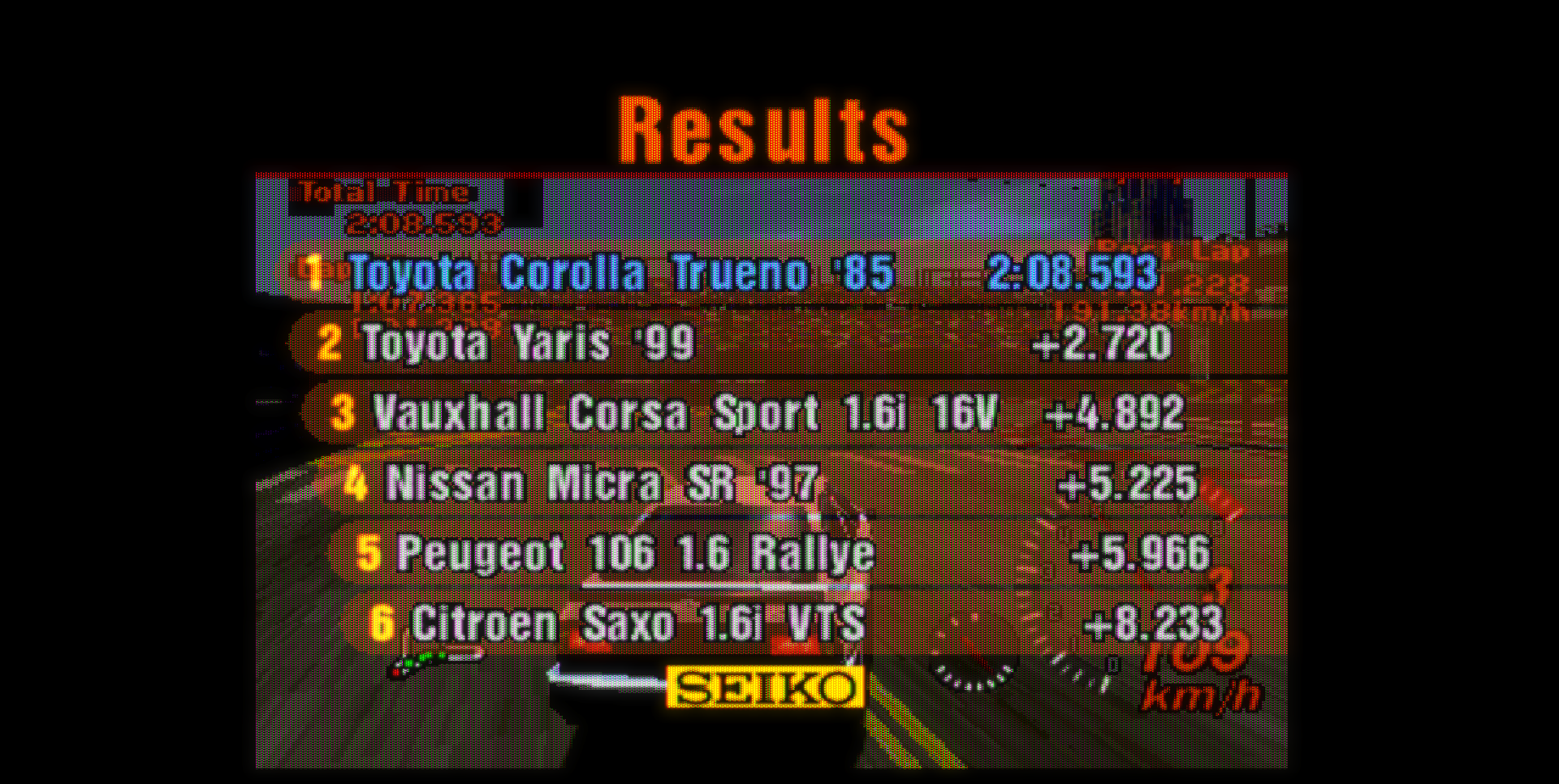
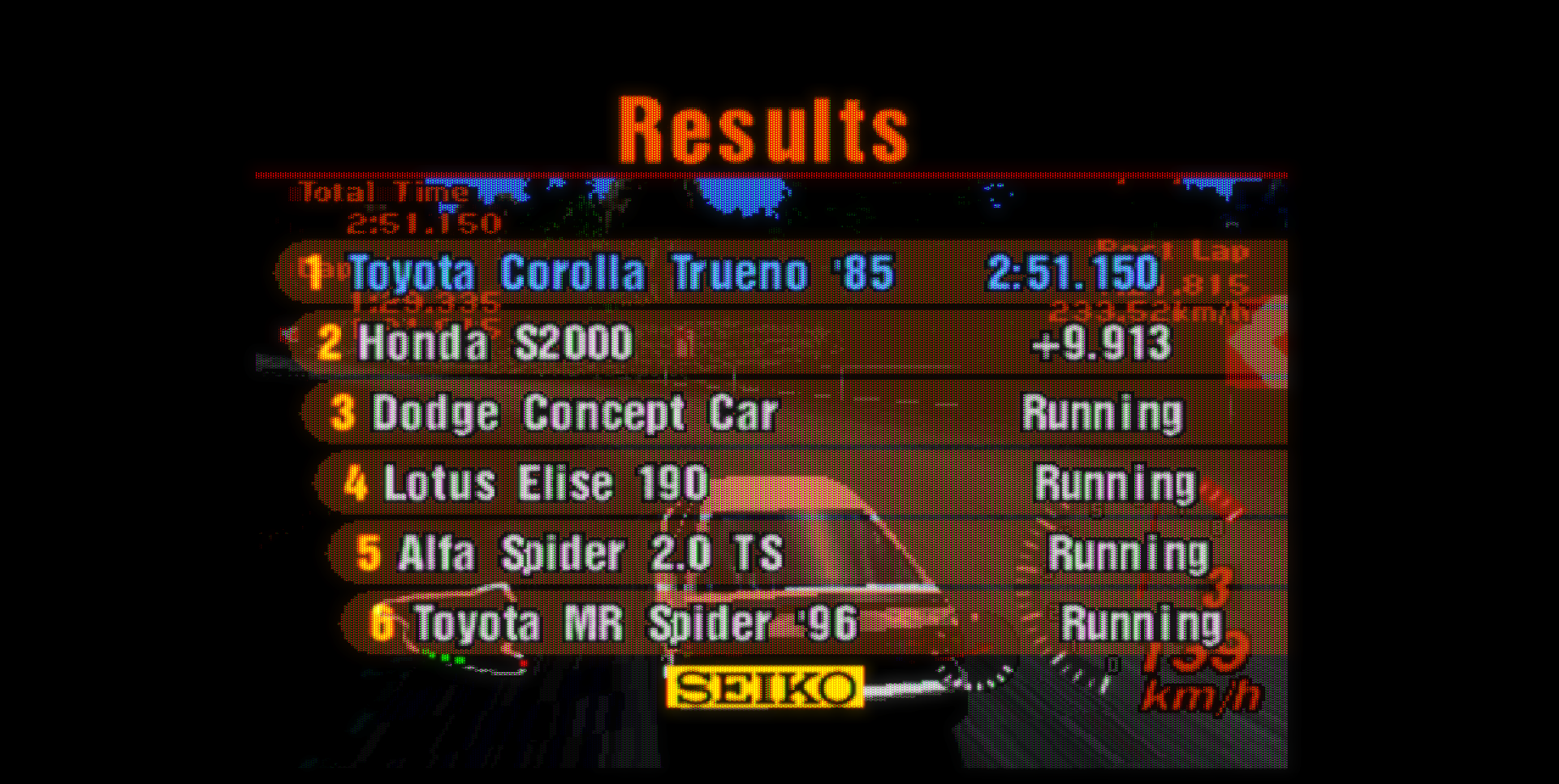
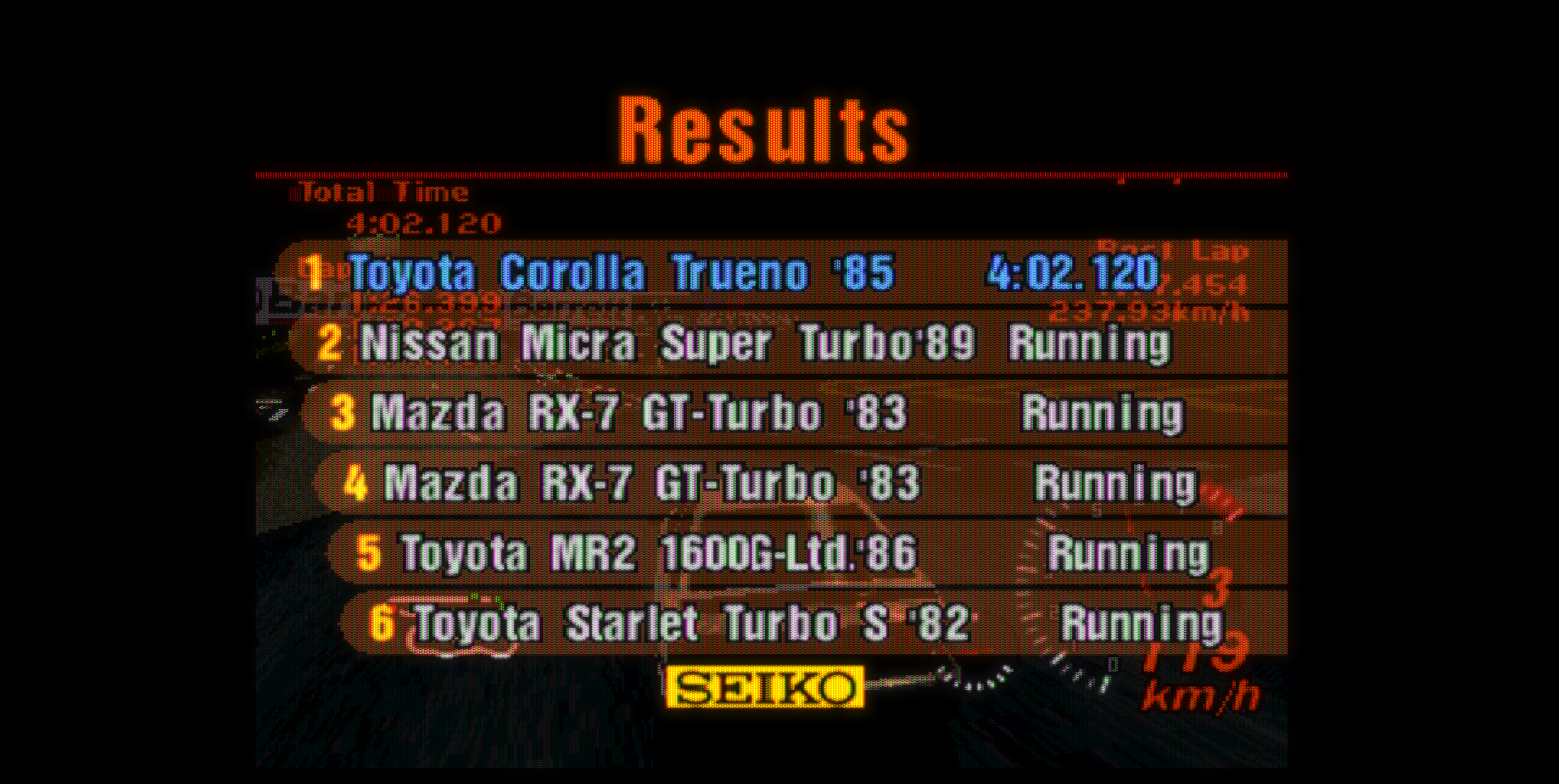
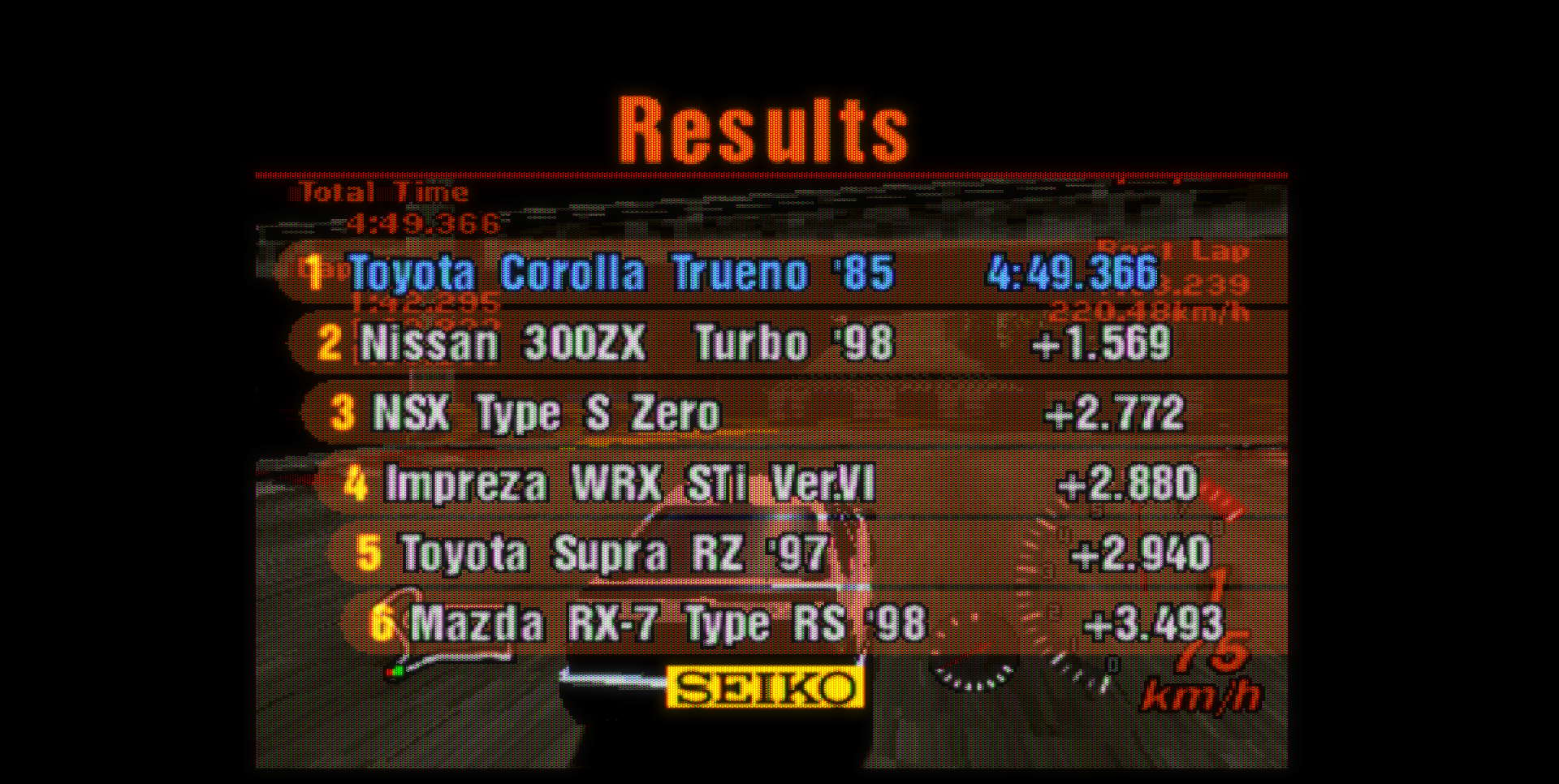
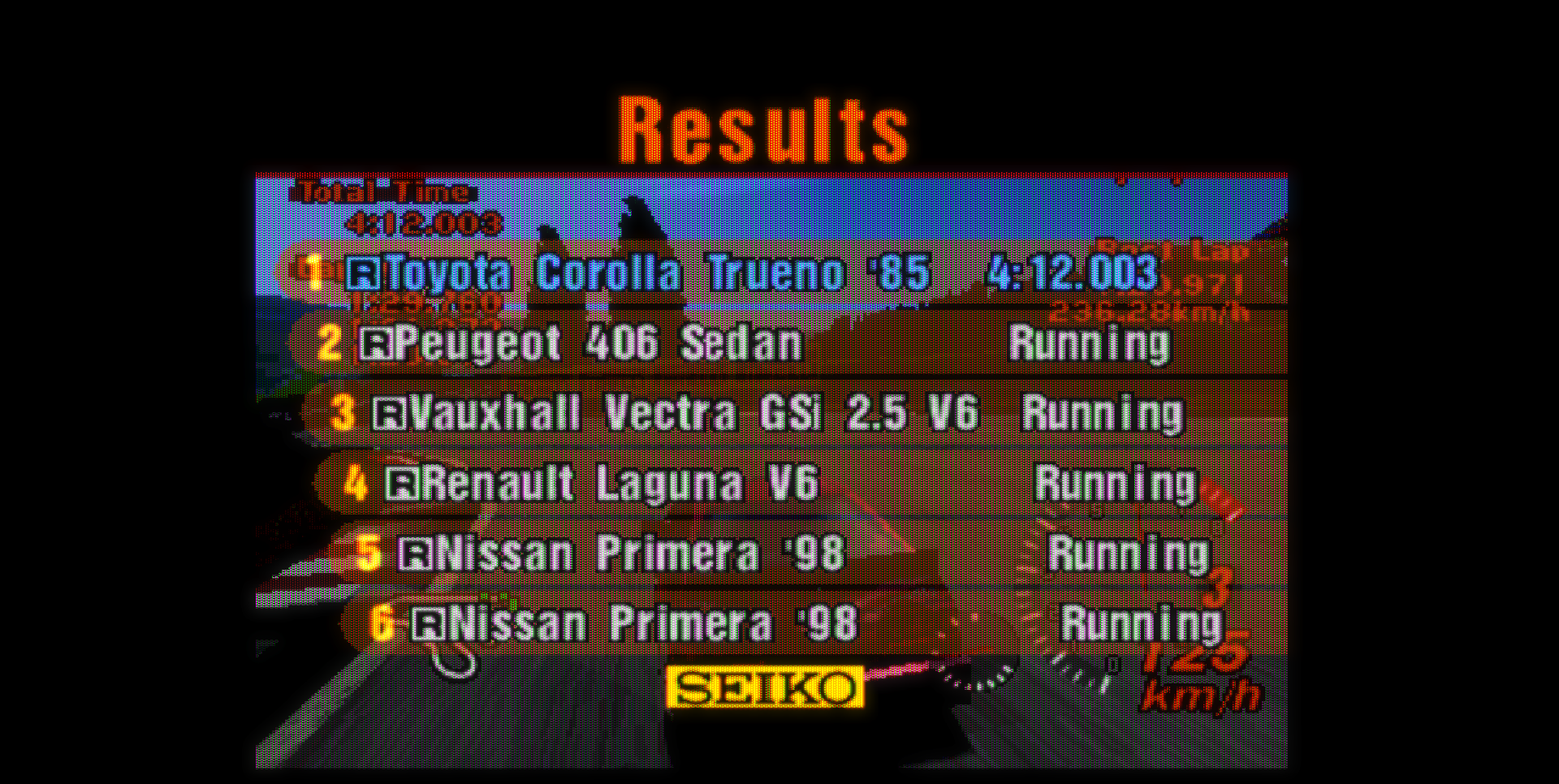
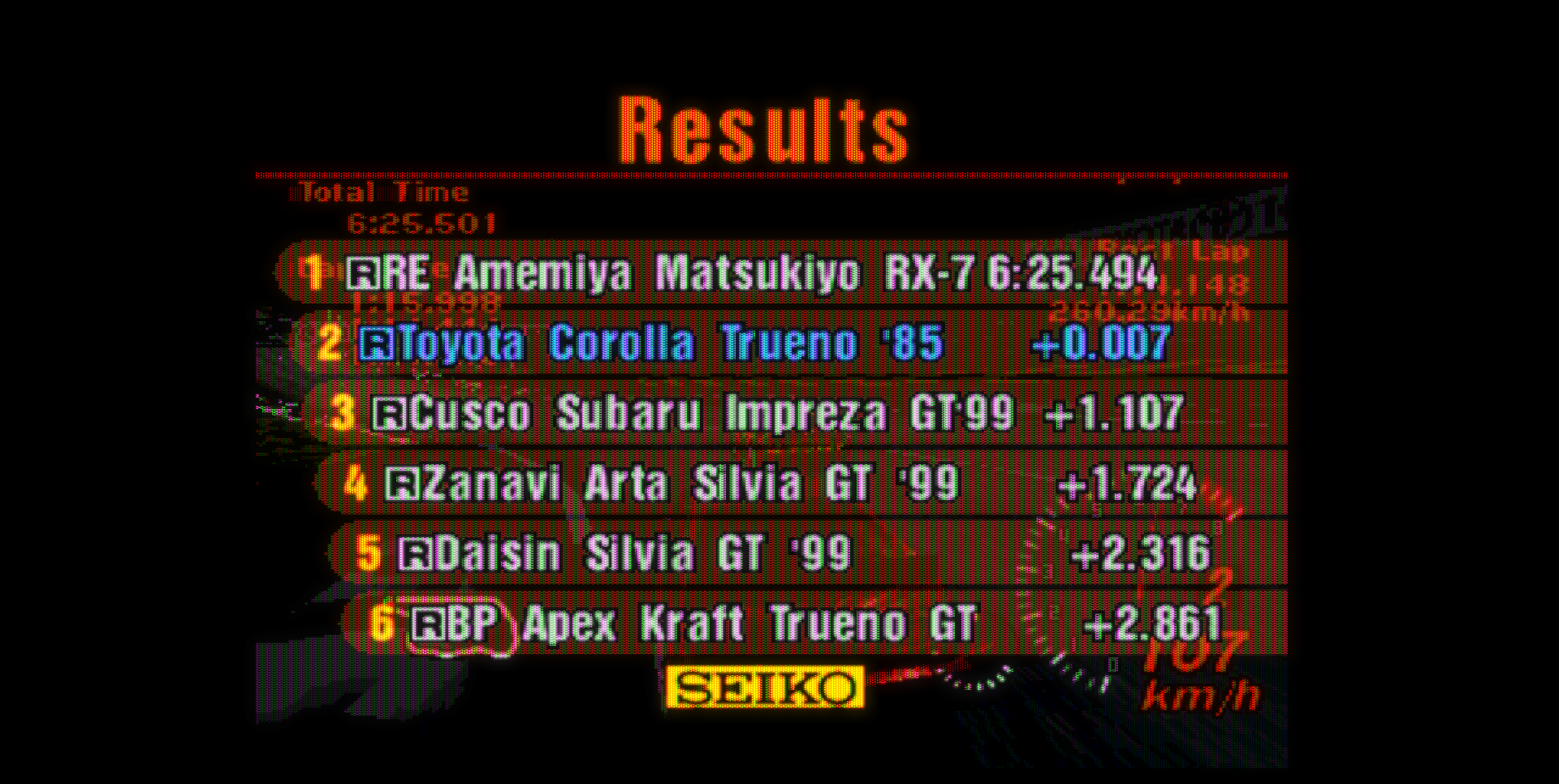
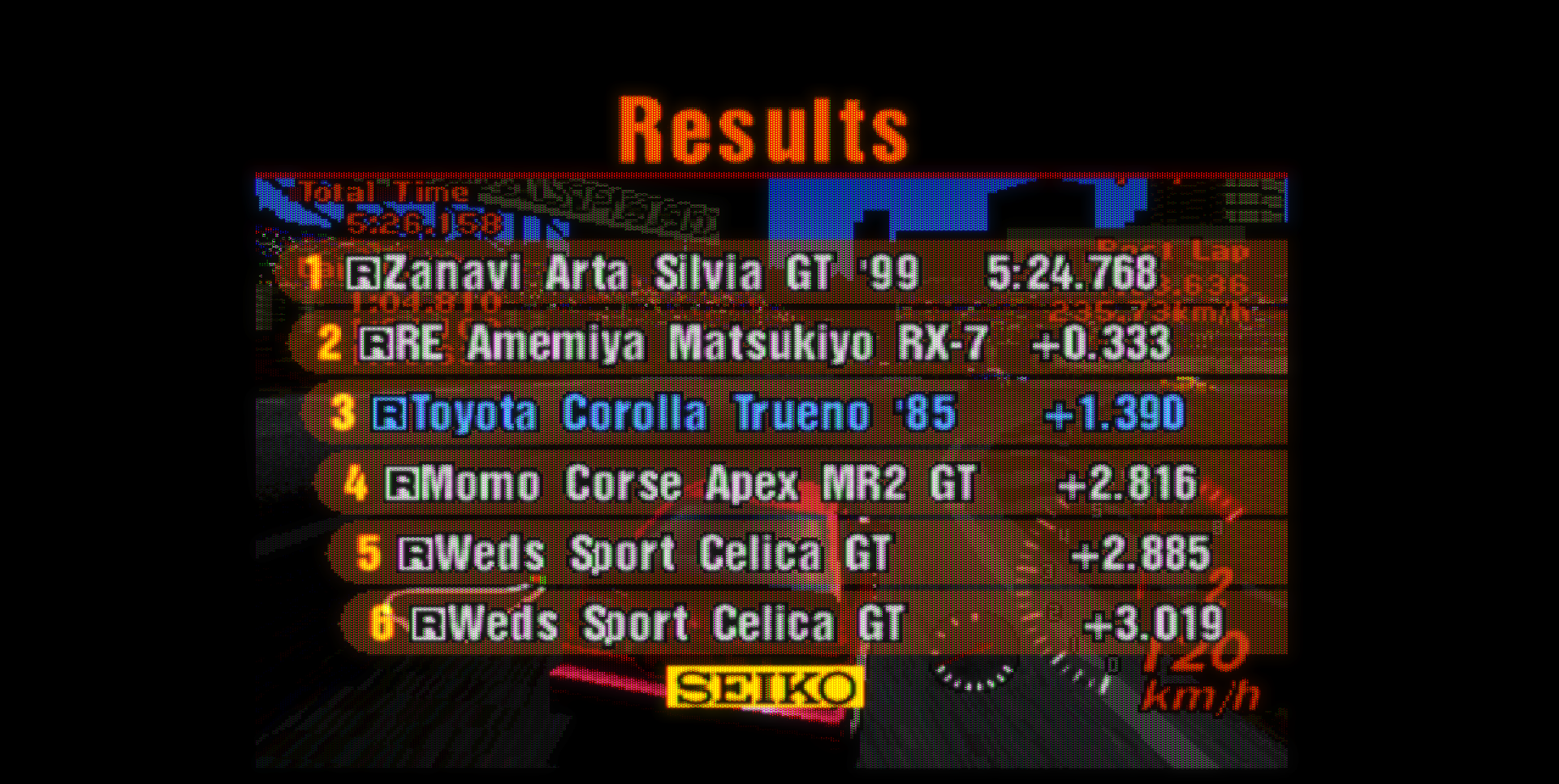
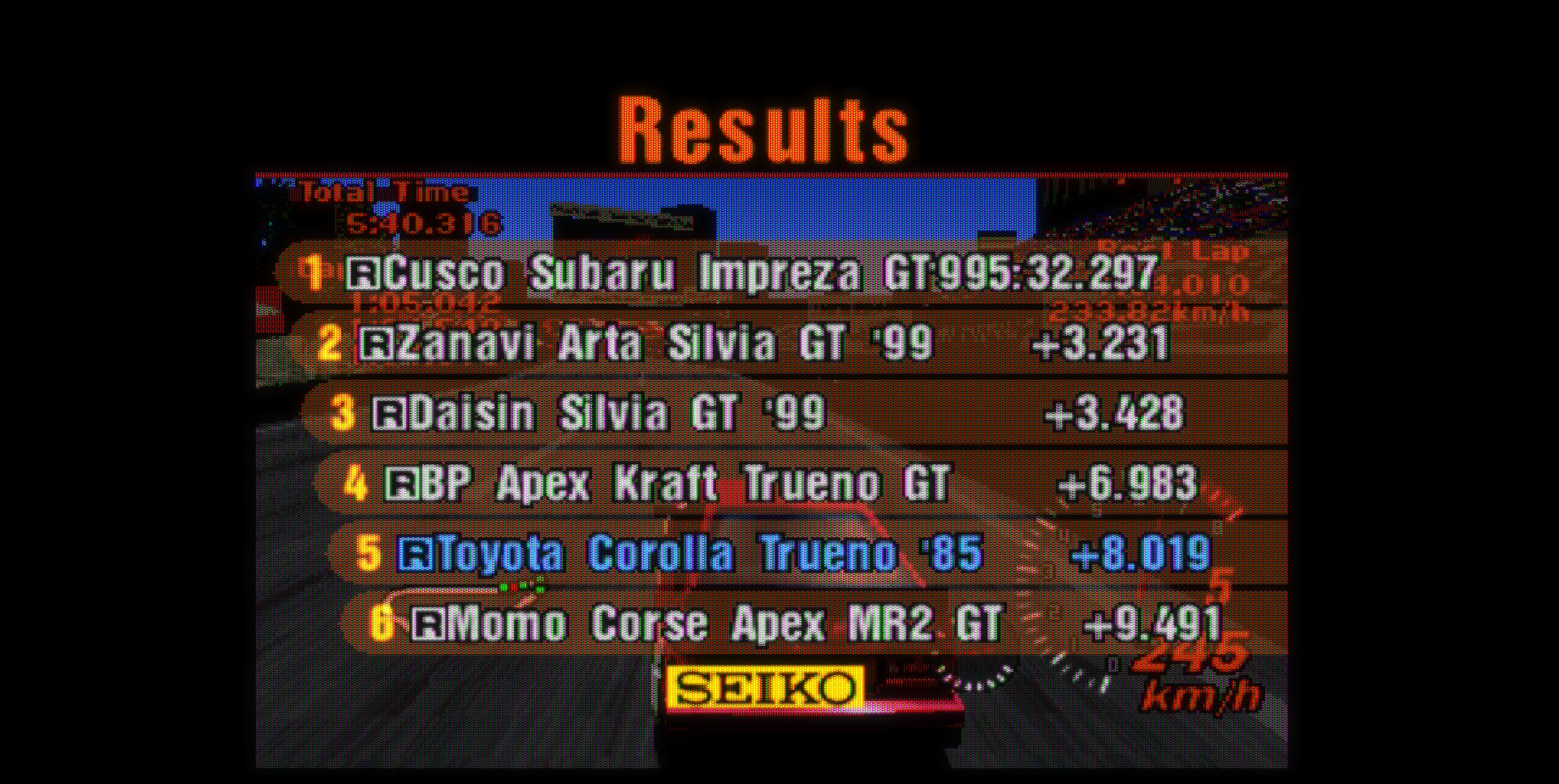
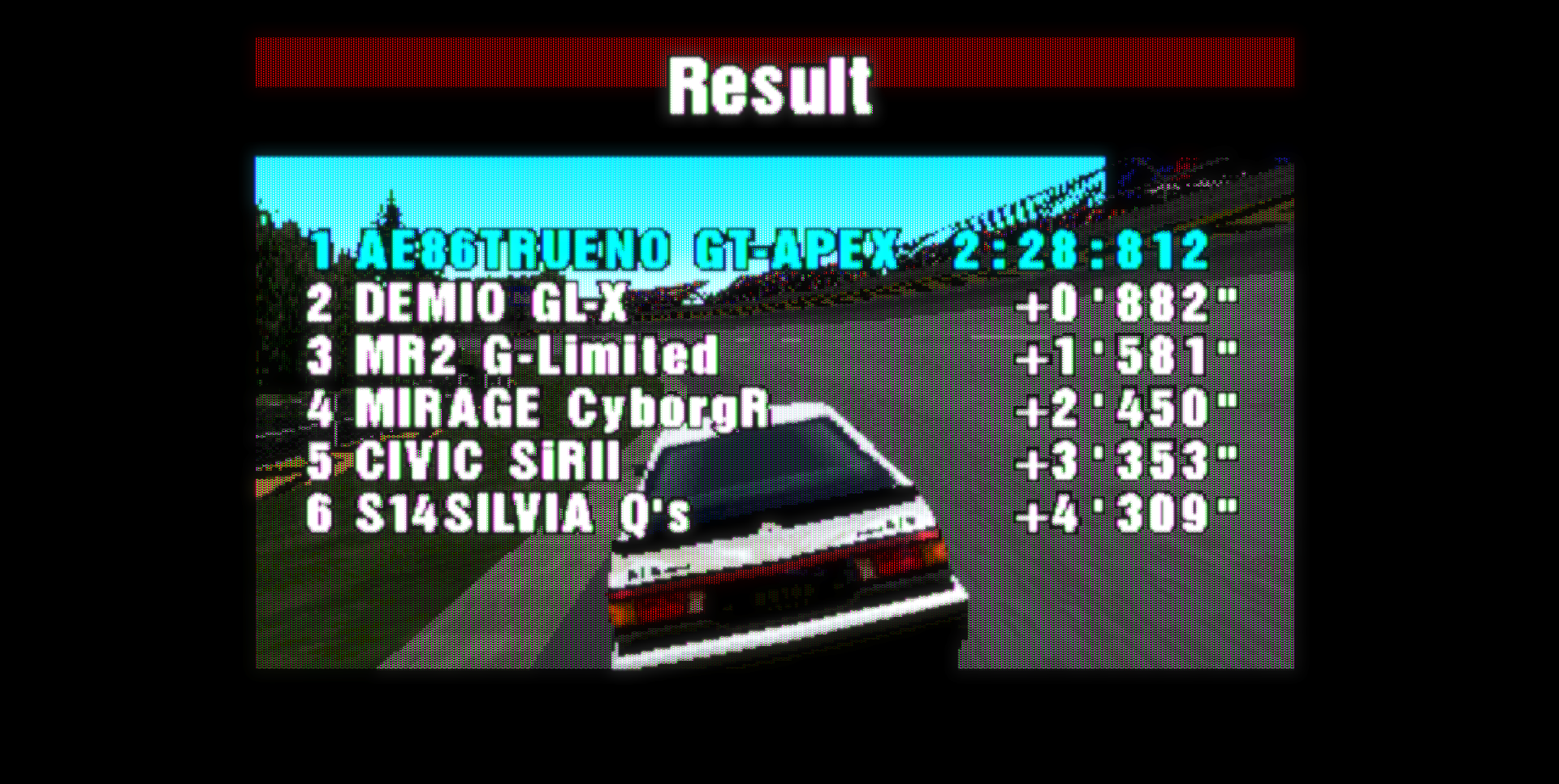
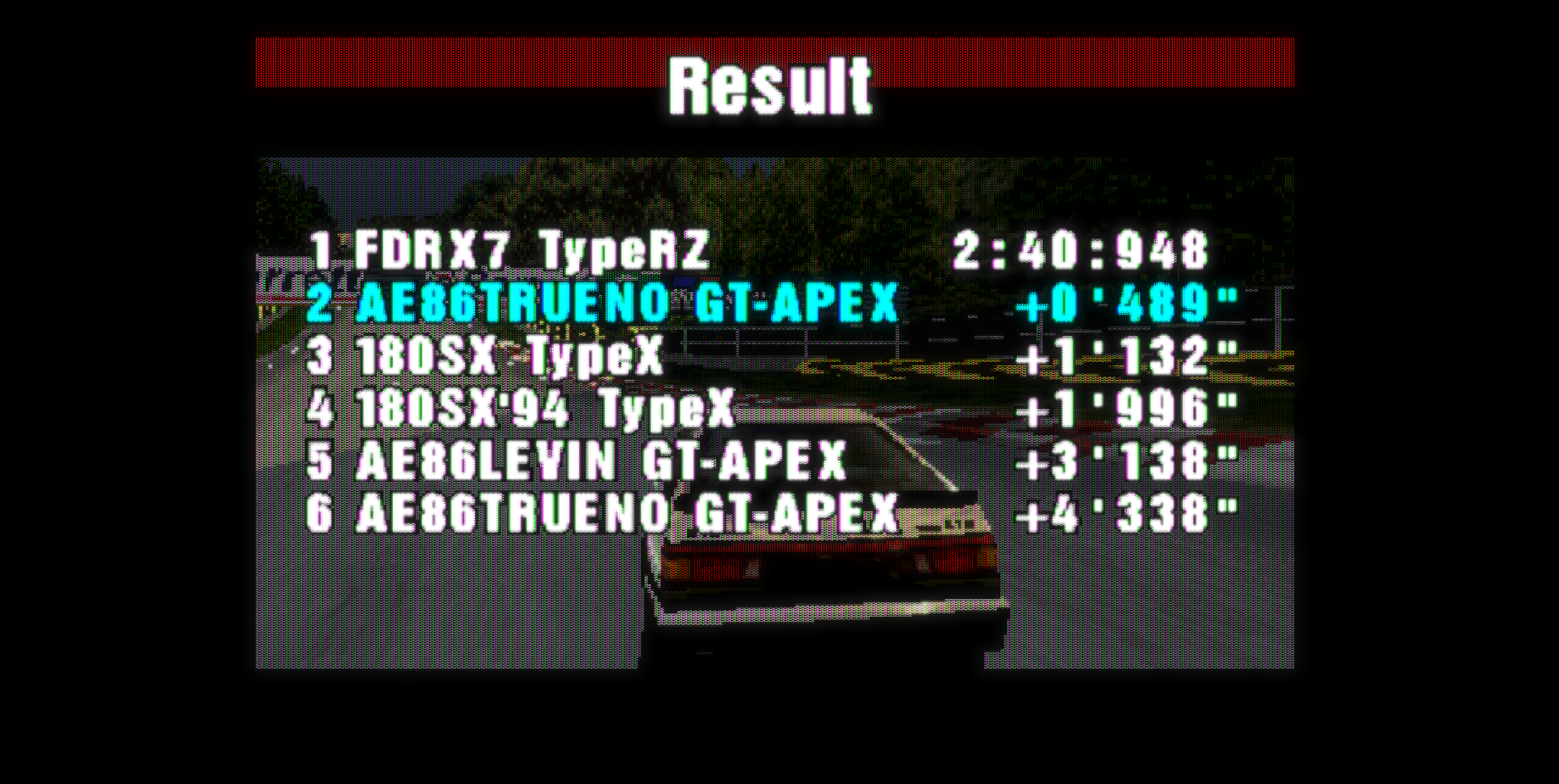
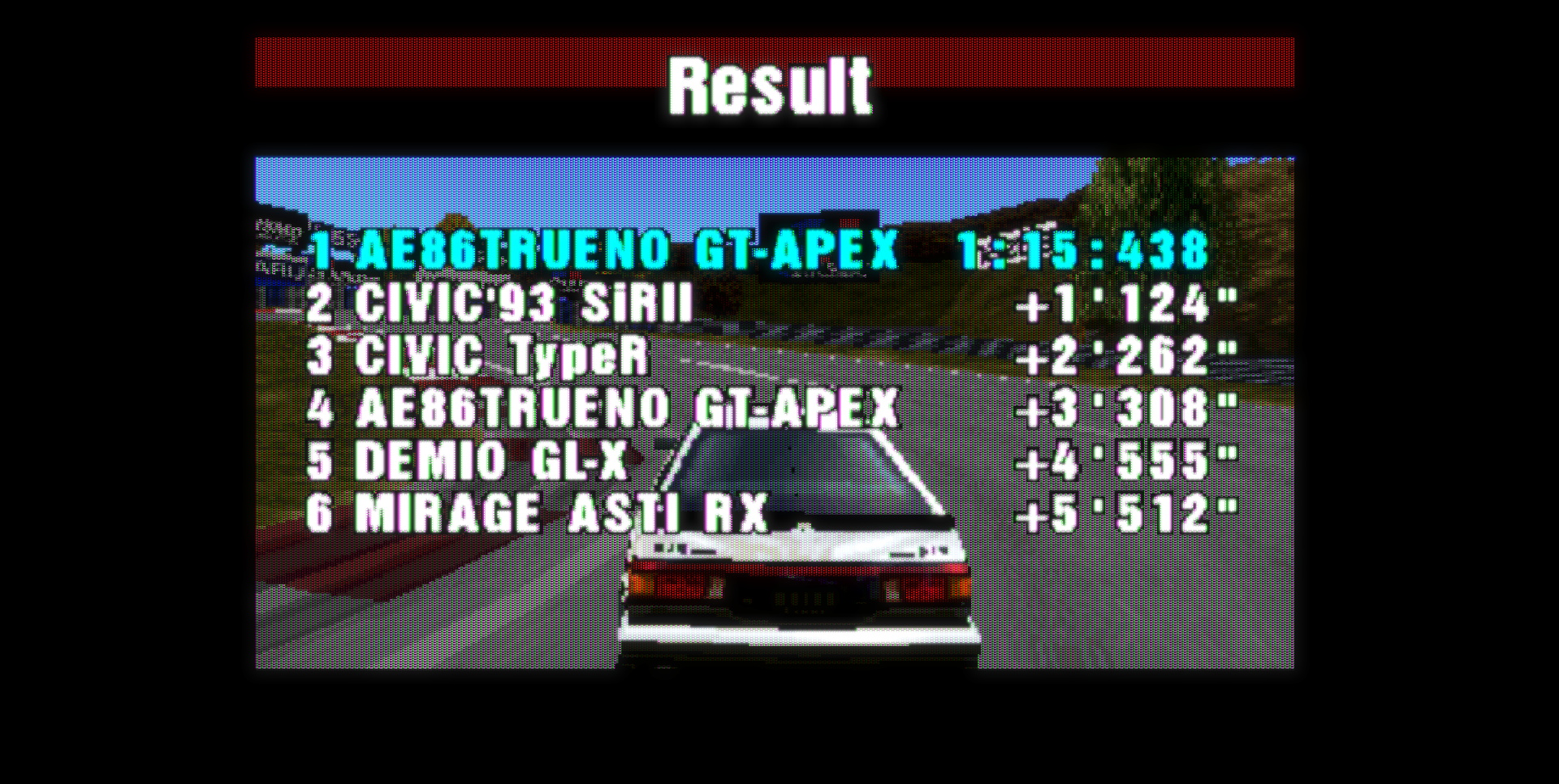
As is the second race, at Super Speedway:
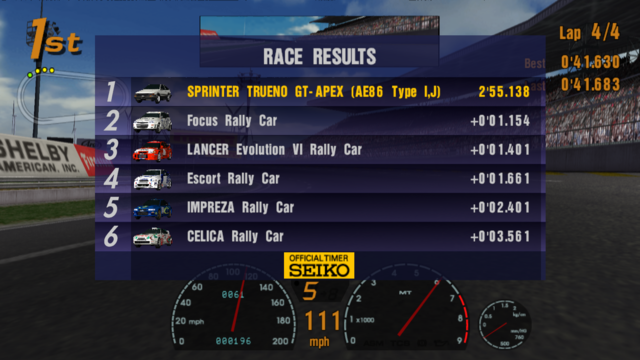
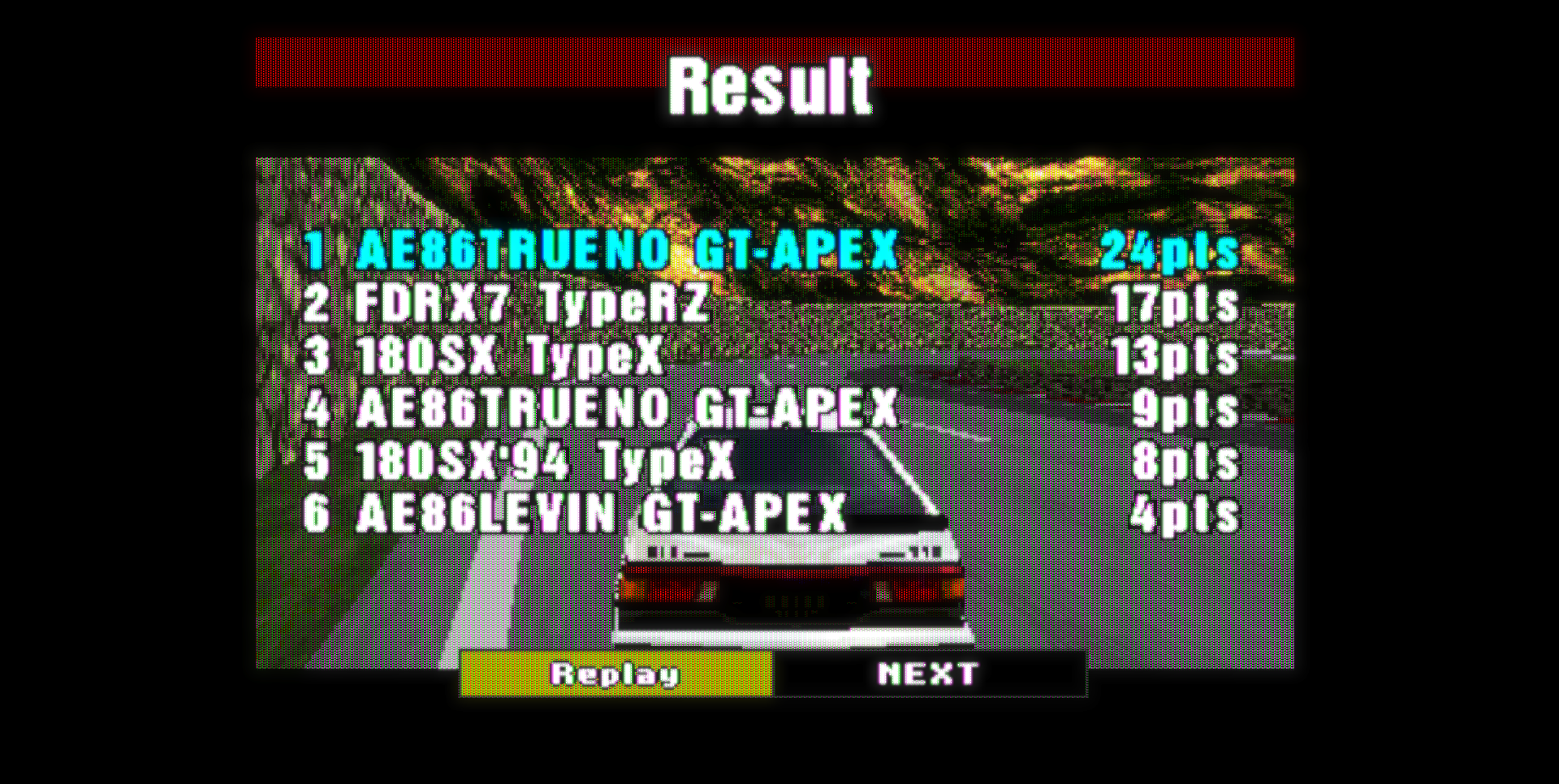
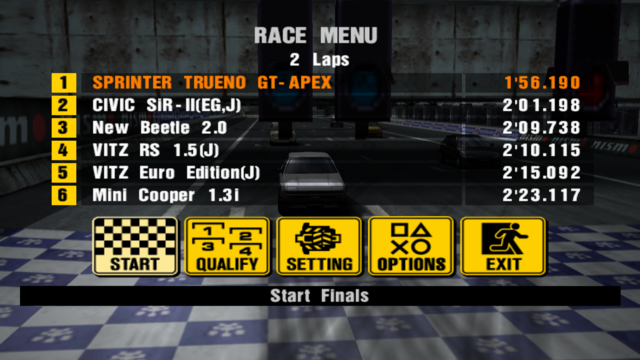
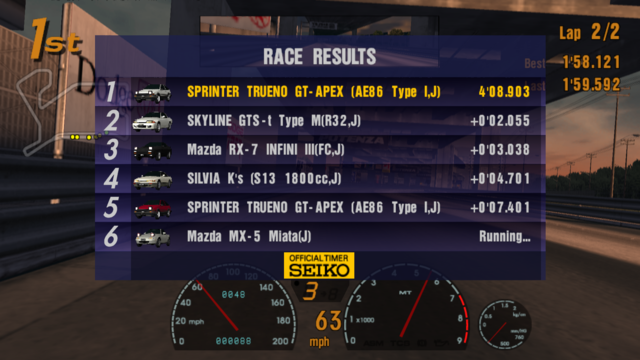
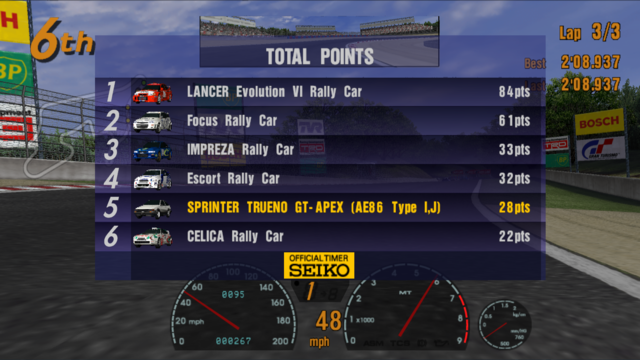
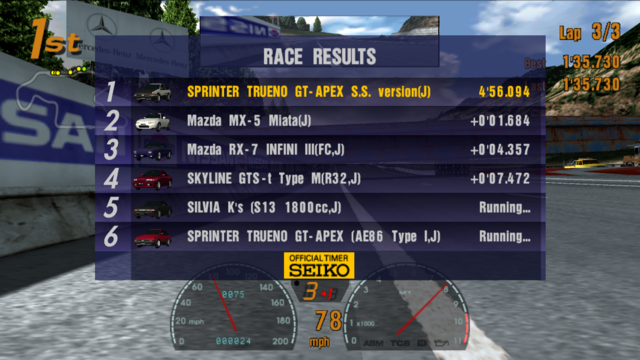
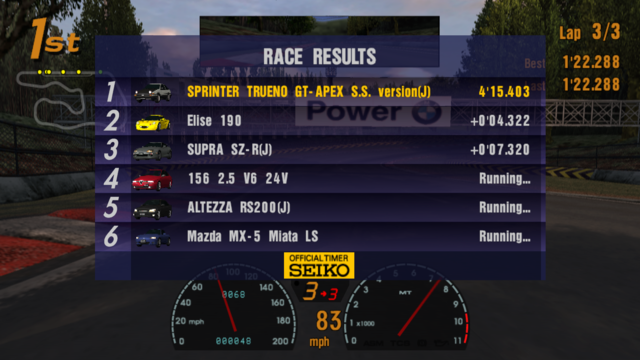
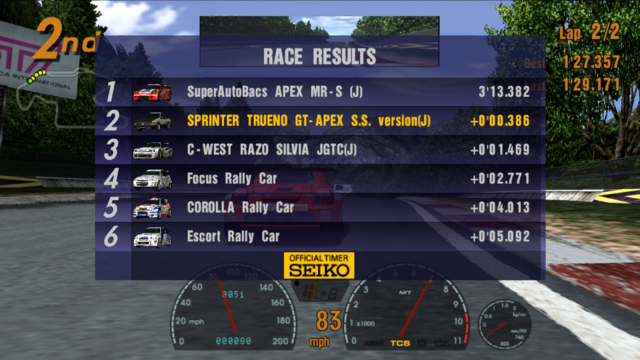
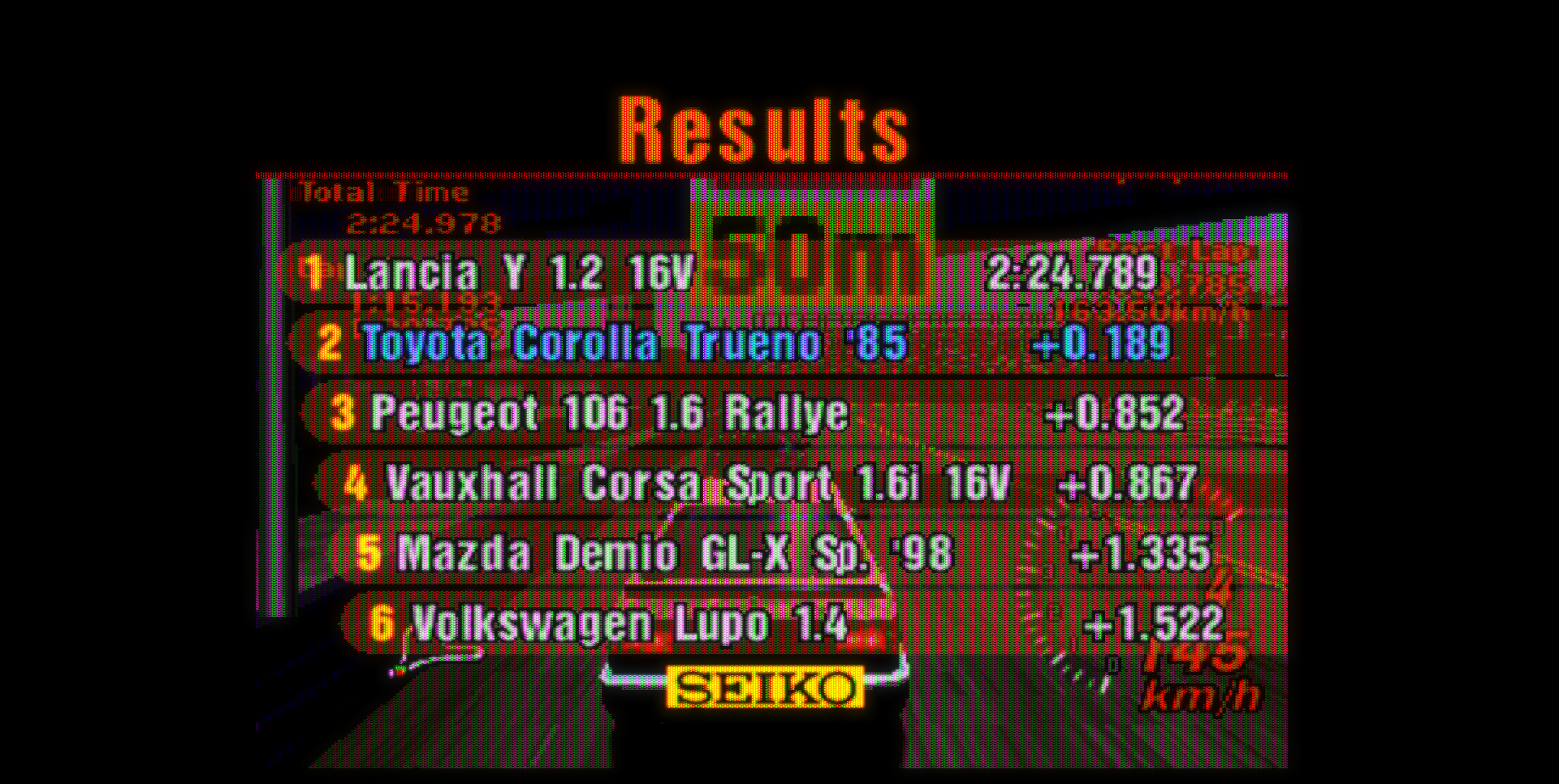
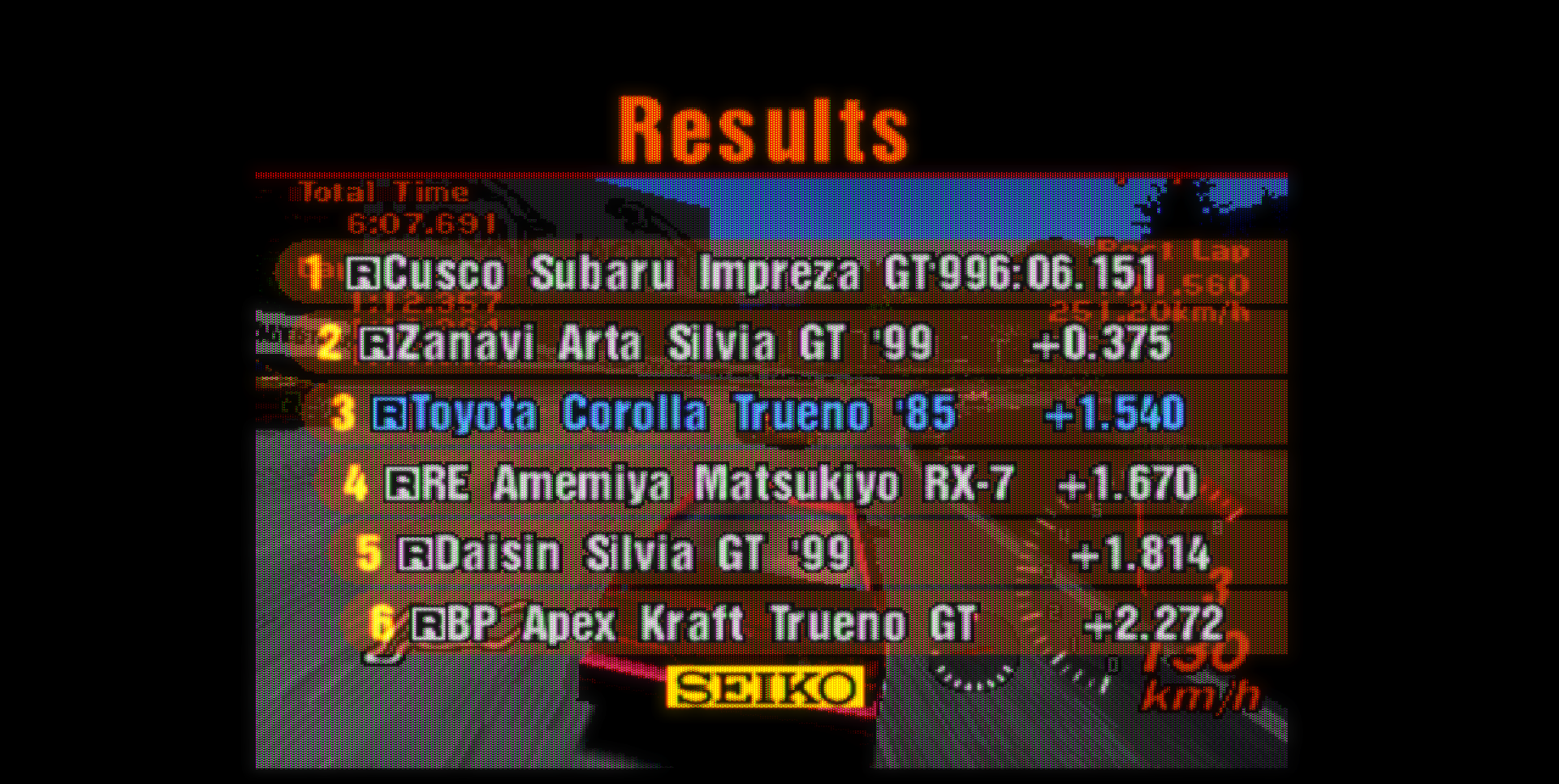
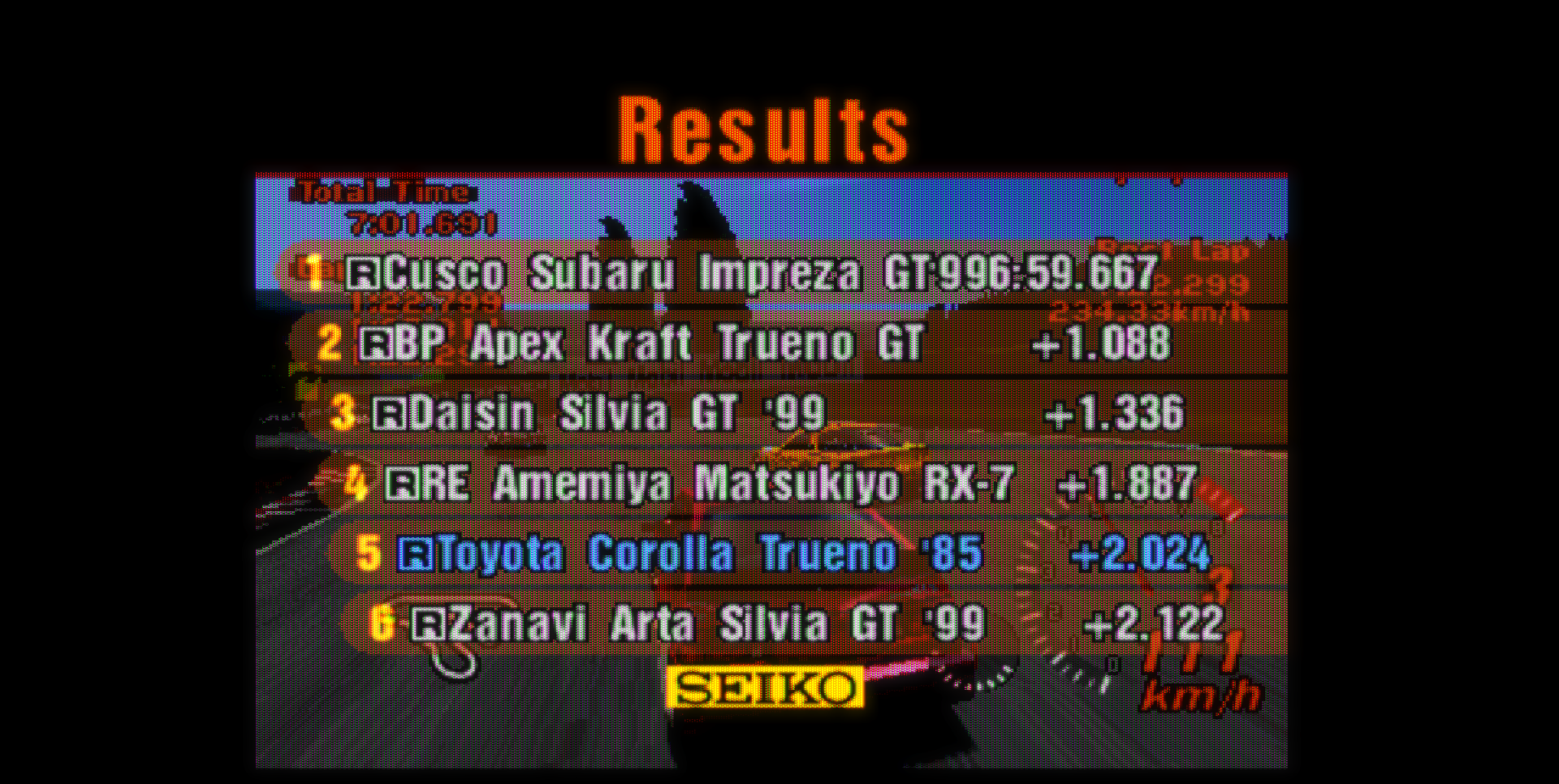
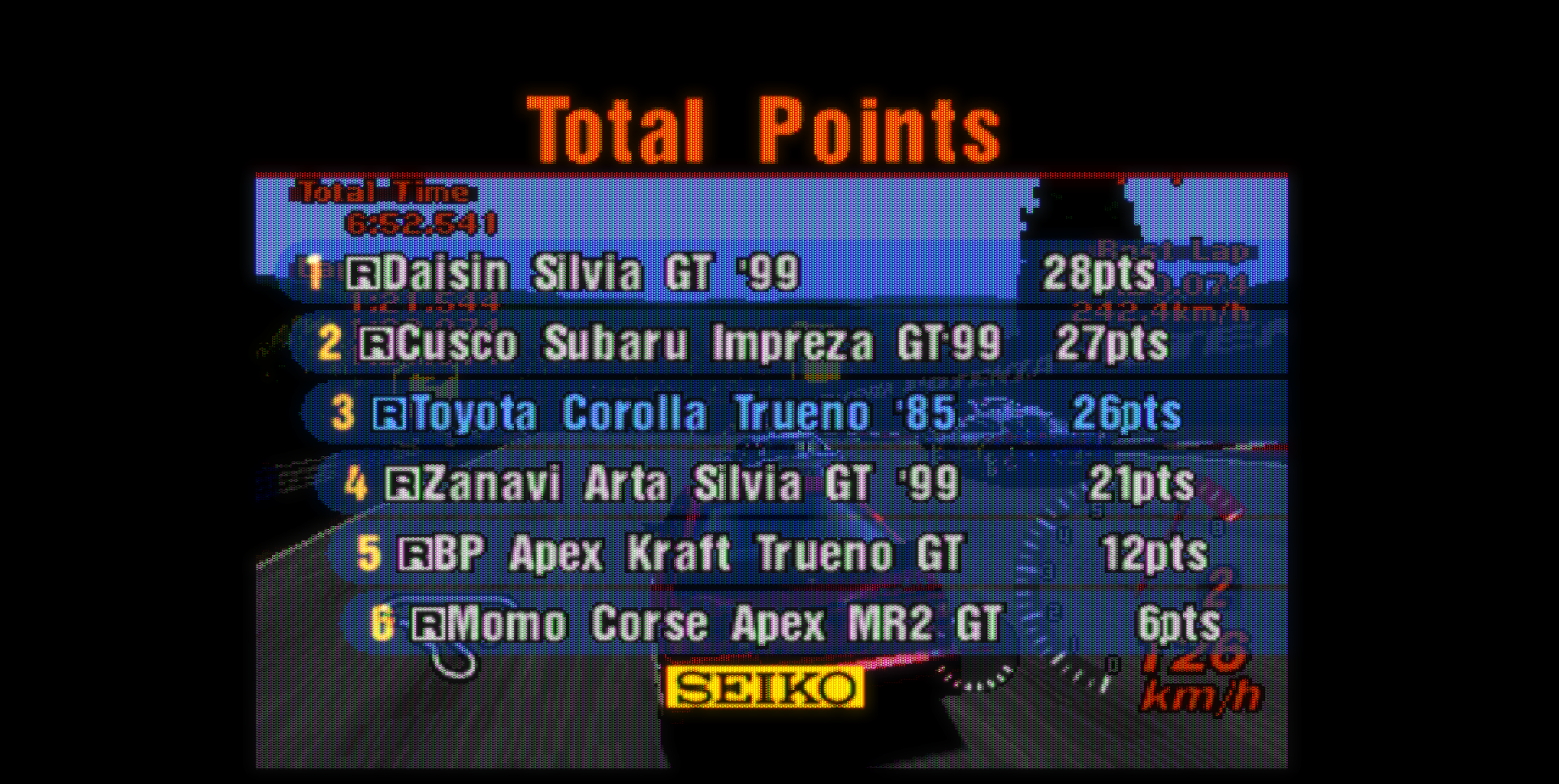
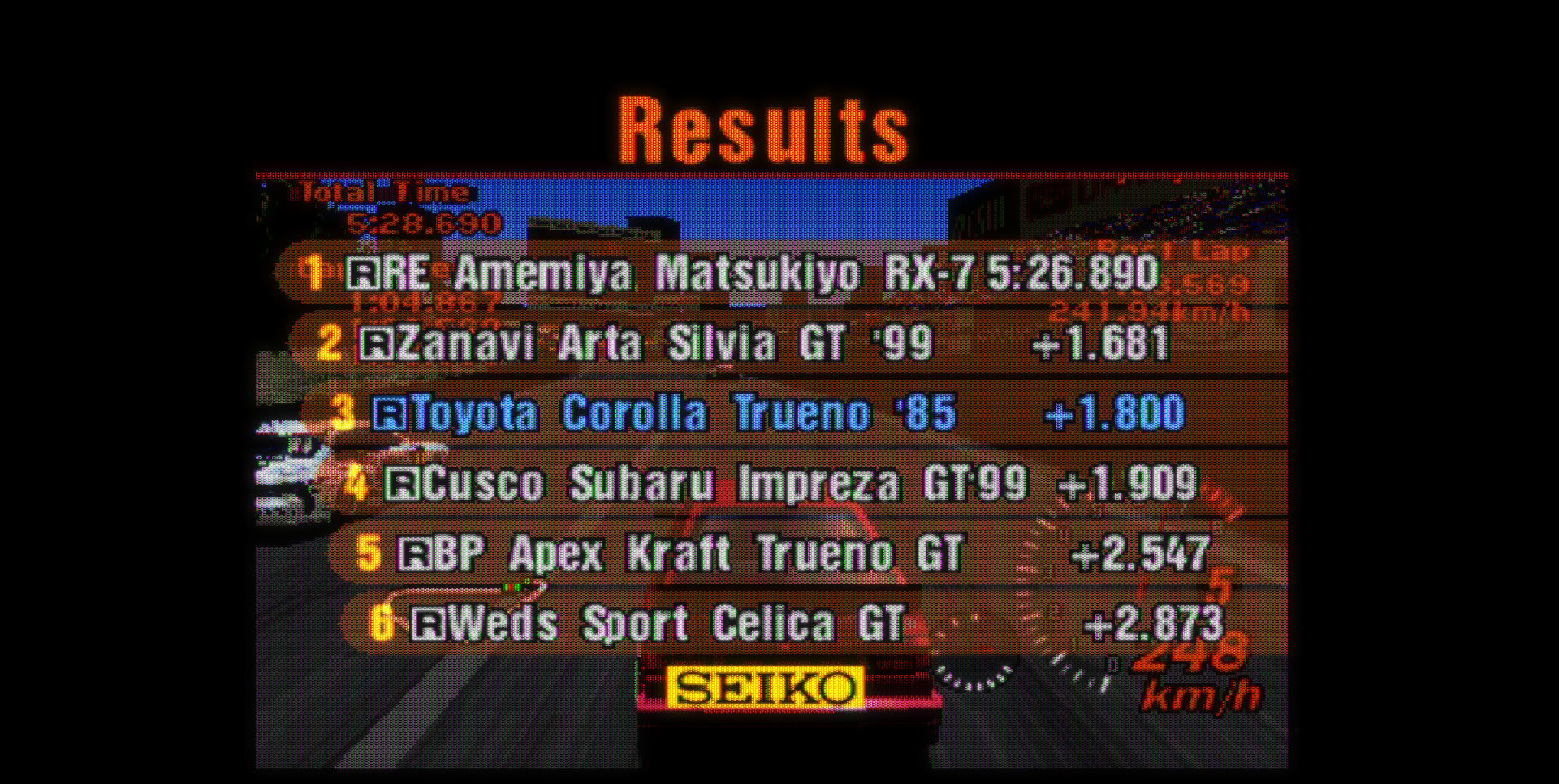
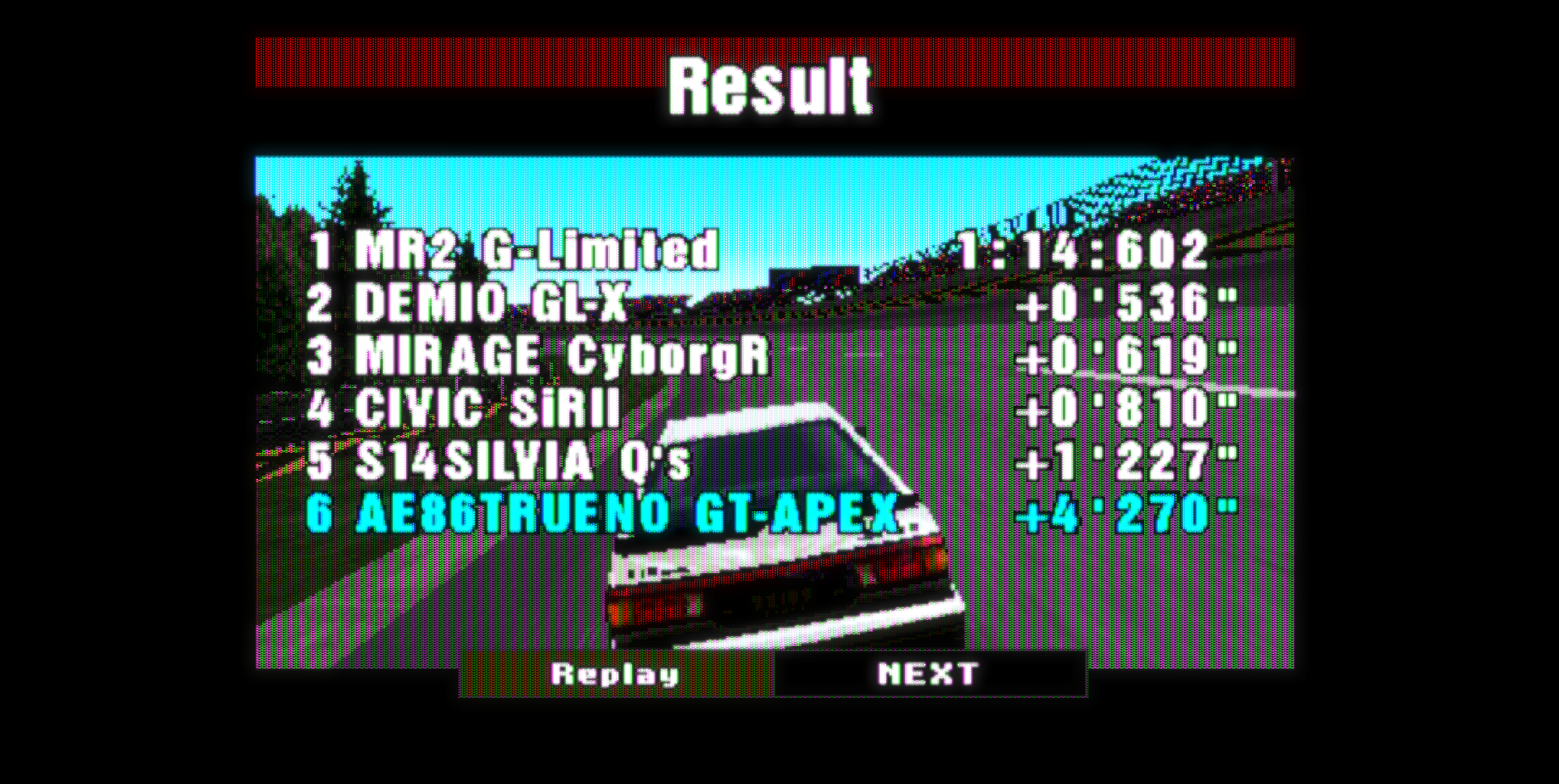
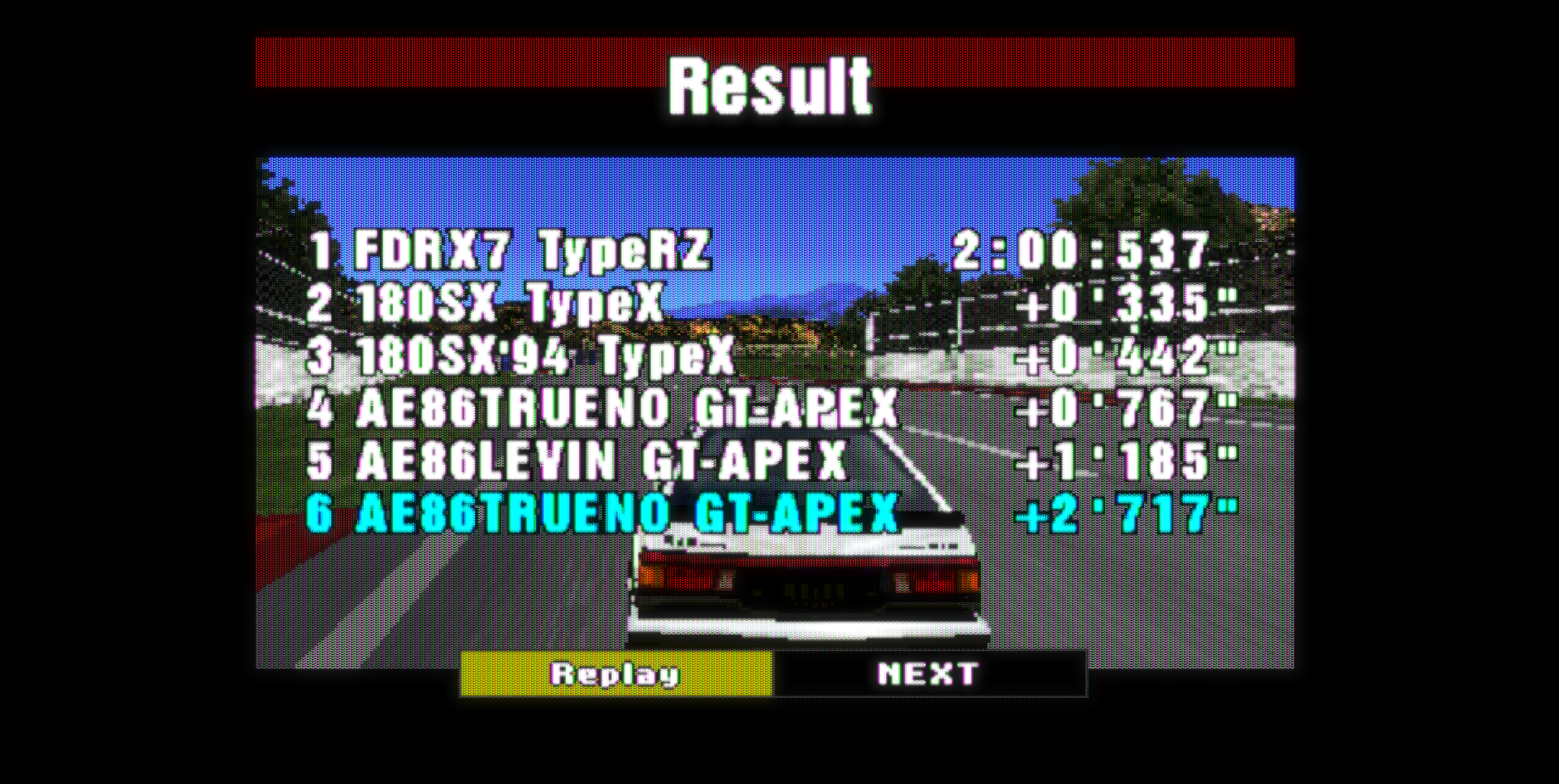
The third race, at Trial Mountain, though, is a different story. As are the fourth through tenth races. The end result is fifth place in the championship. Still, I'm over 20,000 credits richer thanks mainly to those first two races, so I buy some more upgrades and see what progress I can make in the rain races and the Amateur League. I manage to beat the Lancer in the first of the forward-layout SSR5 rain races, although victory against the Impreza eludes me on the reverse layout.
Amateur Hour
After dipping my toes into the Amateur League '80s Sports Car Cup and FR Challenge, I take on the Japan Championship, a five-race series against cars such as the Honda NSX, Toyota Supra, and Nissan Skyline - essentially, the top tier of Japanese performance cars at the time. In race 1 at Tokyo R246, I beat the NSX in a photo finish before a more convincing win at Super Speedway. The NSX fights back with wins at Apricot Hill and Special Stage Route 11, setting up a winner-takes-all showdown at the Tokyo R246 reverse layout, which I win by just under a second.
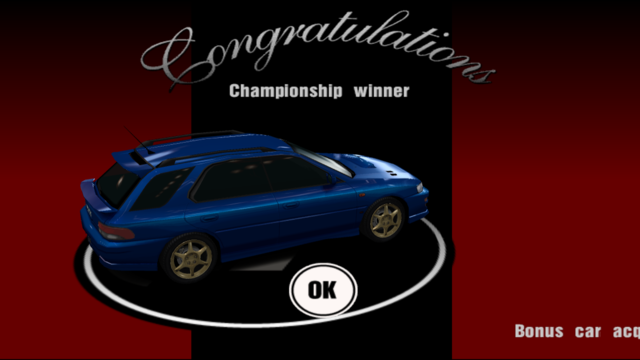
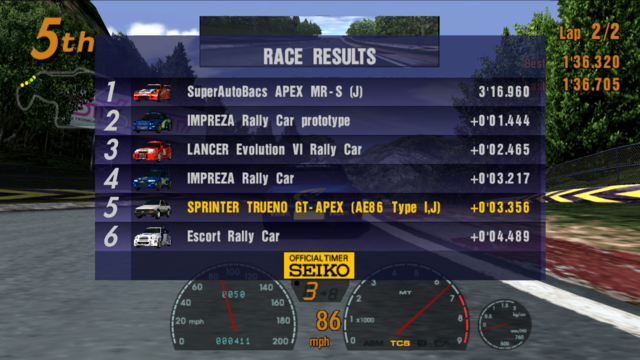
After selling the prize car - a Subaru Impreza Wagon - I now have enough to buy all the remaining upgrades and make another attempt at the Beginner League GT World Championship. The first two races go according to plan with two wins, but in the third race at Trial Mountain I come 5th. At least that's an improvement on last time, I guess? Unfortunately, I finish no higher than third in the rest of the championship, as the Toyota MR-S dominates the rest of the series, and I spin out too many times trying to keep up.
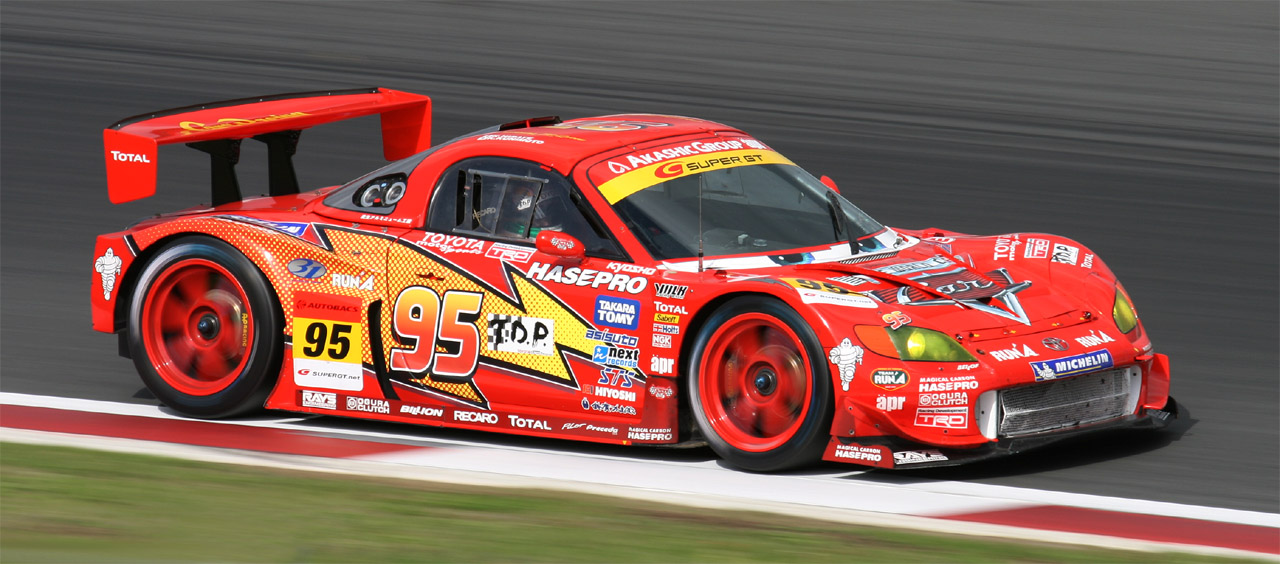
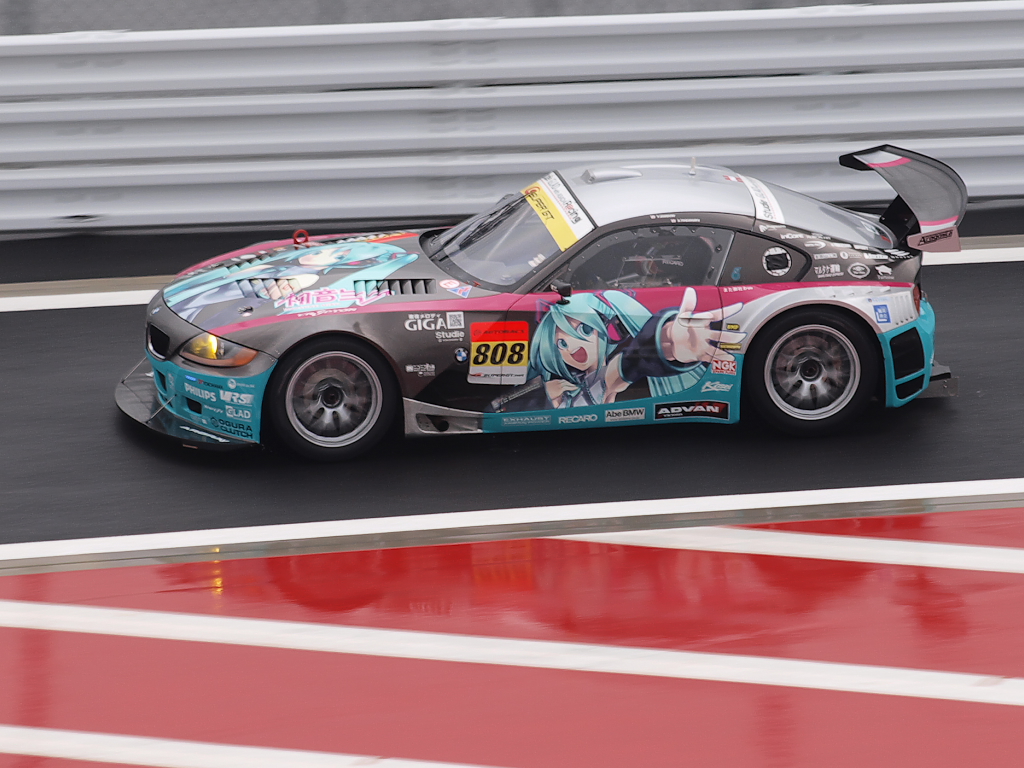
Lightning McQueen real? No, just a Toyota MR-S GT300 car, similar to the one that's been giving me so much trouble in the GT World Championship. This example is from the 2008 Super GT season, which, interestingly enough, was the same season in which another racing institution made its debut: the Hatsune Miku car, now a Mercedes AMG GT3 but initially a BMW Z4.
It's clear that even a fully-tuned car isn't going to be enough, but just like in GT2, there is a plan B. I go back to the Amateur League FR Challenge, and with the car having been upgraded since my previous attempt, I am able to win all three races. My reward is...
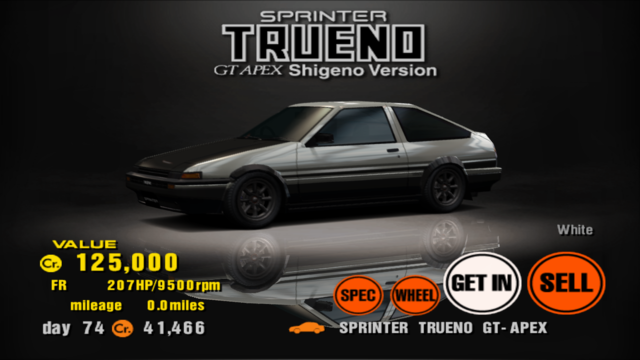
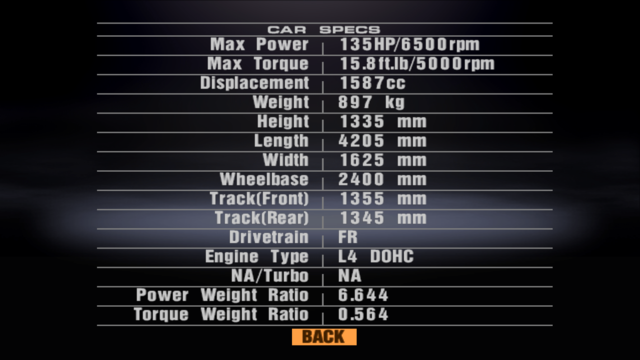
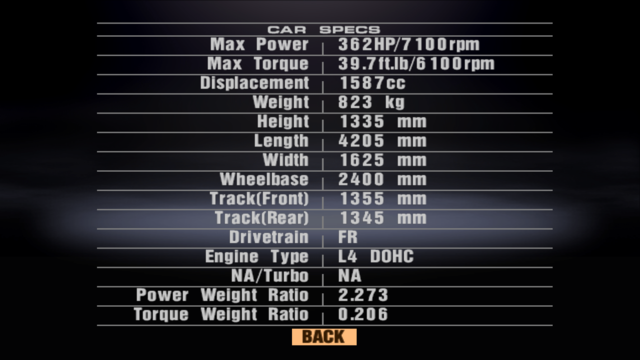
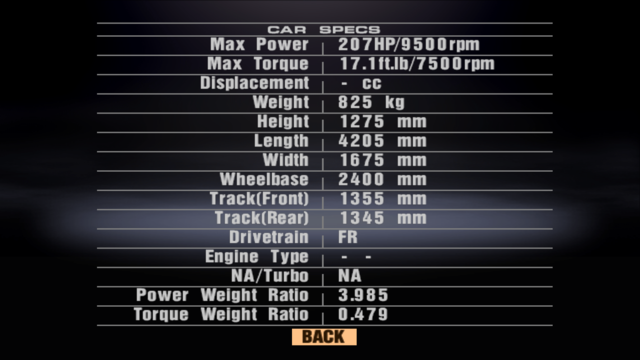
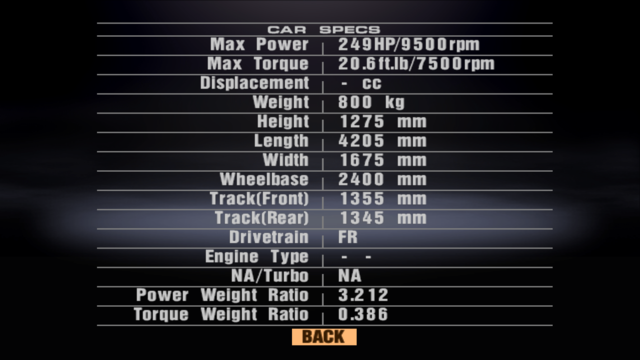
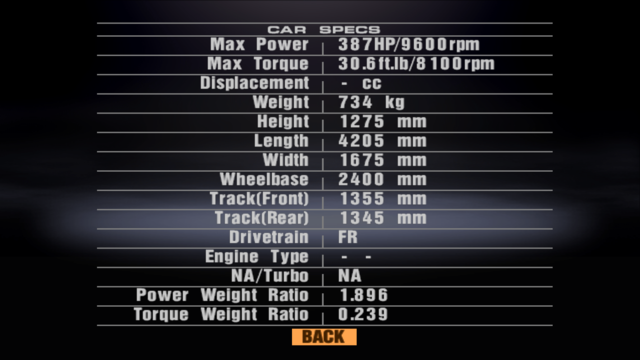
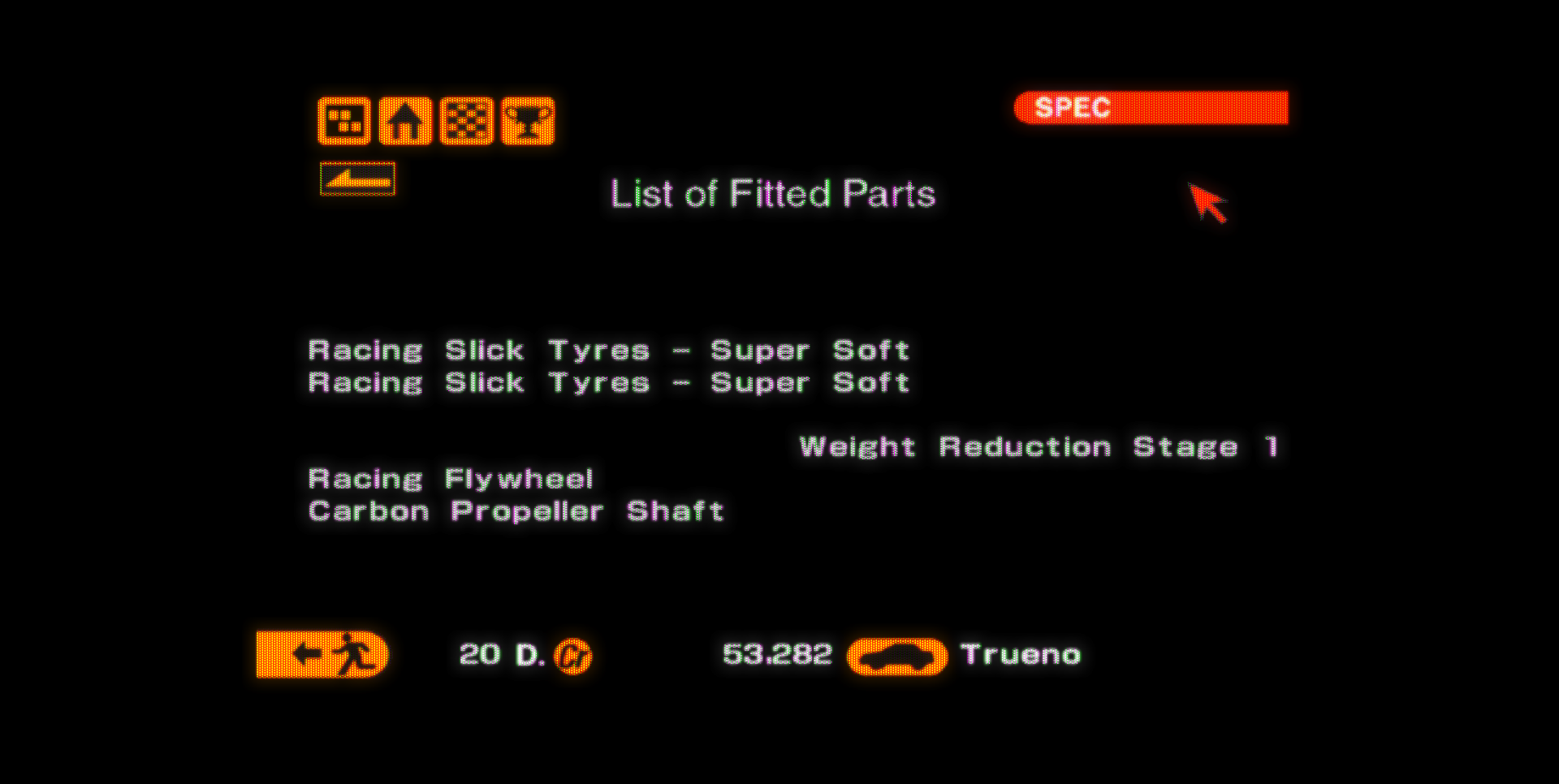
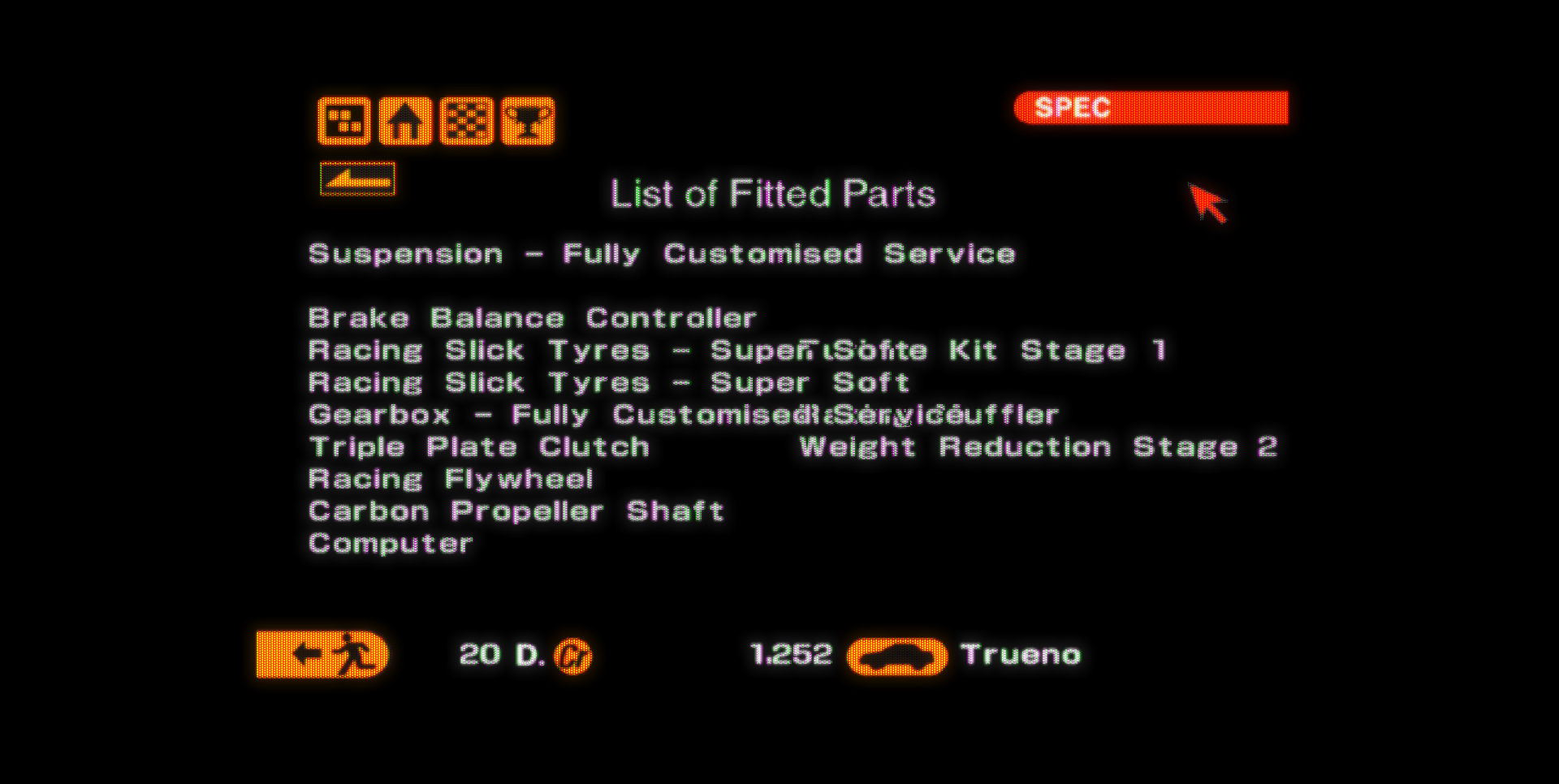
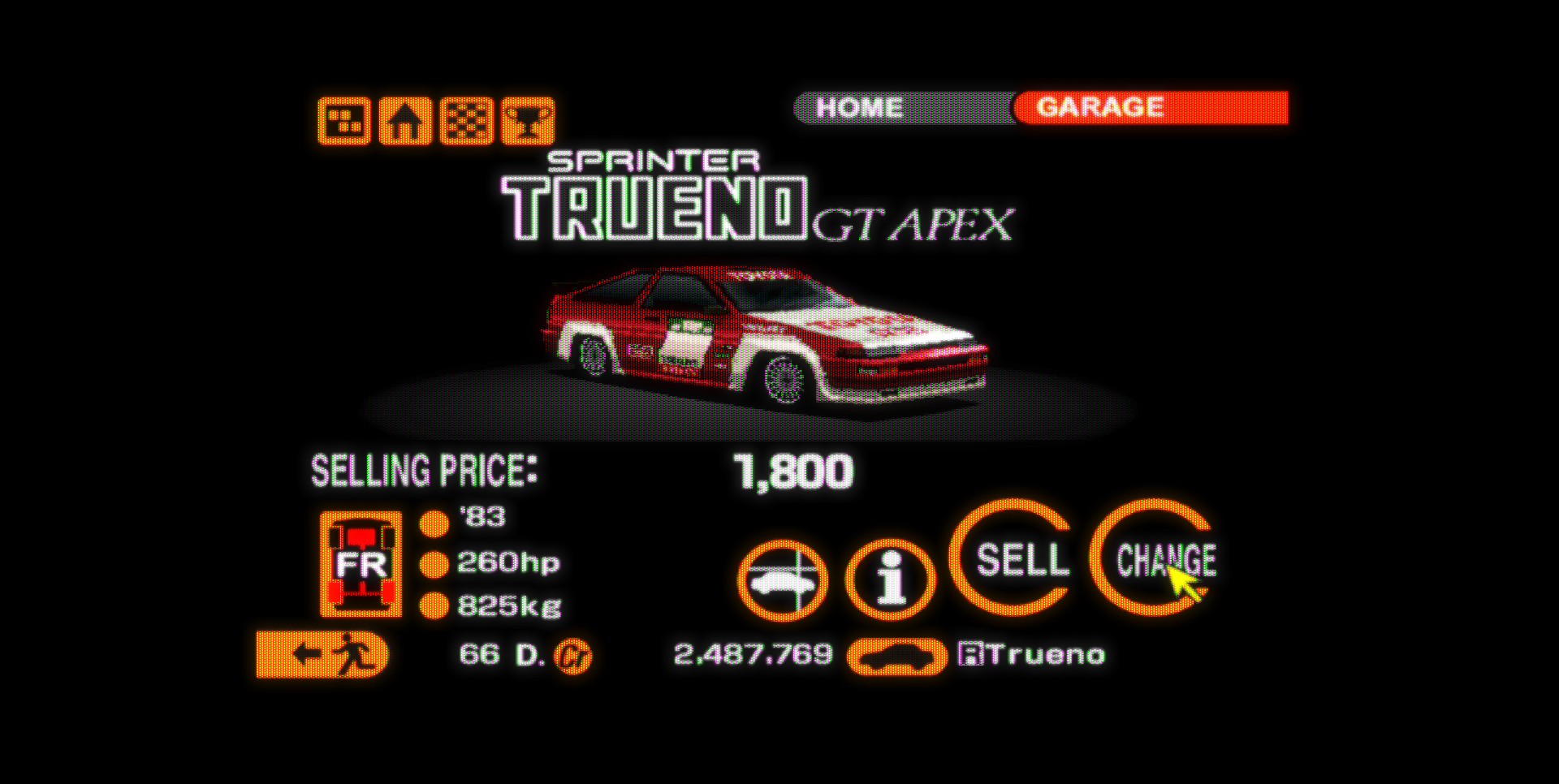
This is a custom-built AE86 owned by Initial D creator Shuichi Shigeno, with significantly beefed-up performance compared to the base model. At just 825kg it's already lighter then my fully-upgraded AE86, although with just 207hp some power upgrades will be required before it's competitive in the GT World Championship. With the credits at my disposal I am able to get it to 249hp and 800kg, along with various handling and drivetrain-related upgrades.
Back to the '80s (Again)
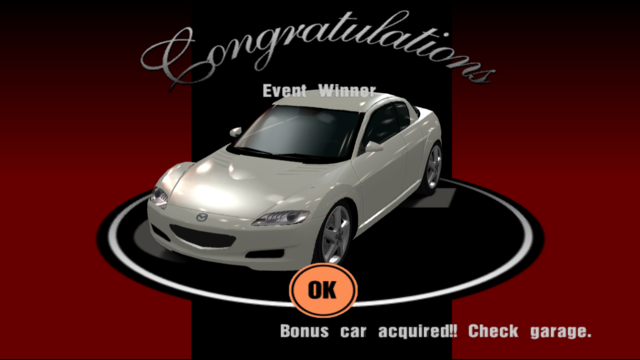
I take it to the Amateur League '80s Sports Car Cup, and right away this feels much better to drive than my previous car. Three wins later, my reward is a tuned R32 GT-R. Next up is the Amateur Race of NA Sports - three more wins and a Mazda RX-8 (still just a concept car in 2001). That gives me enough credits to buy the rest of the upgrades for this car - surely this should be enough to conquer the Beginner GT World Championship?
Third Time's the Charm
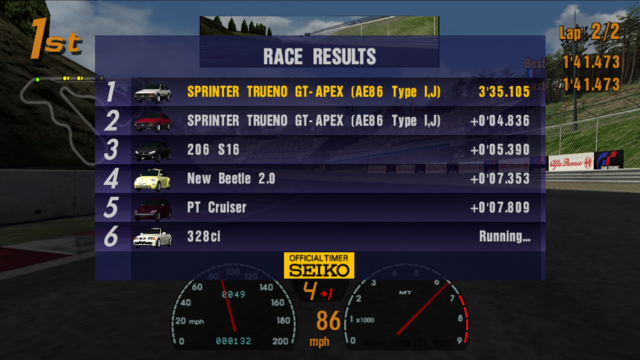
I'm off to a good start, as the first two races are won by overwhelming margins, but a mistake at Trial Mountain hands the win to the MR-S. But - although none of the subsequent races are as lop-sided as the first two, I win the lot of them to take the championship with races to spare.
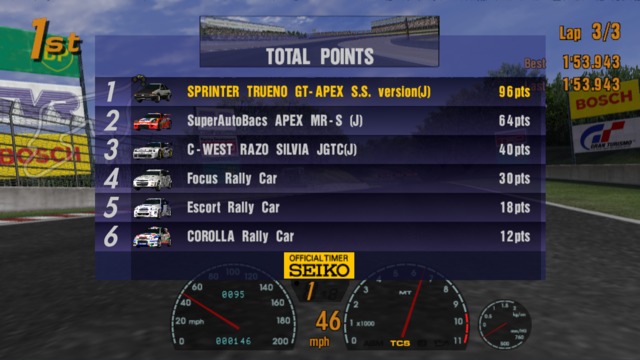
With the main goal of this run complete, where do I go from here? How about the Amateur GT World Championship? Instead of rally cars and GT300 cars, I'll be up against GT500 cars (the likes of the Nissan Skyline, Honda NSX, and Toyota Supra - and the Lamborghini Diablo as well, but only in the Japanese version) as well as cars from other GT racing series such as the Dodge Viper GTS-R. Races are longer, too, at five laps of each track, and tyre wear is now a factor - you can't just put the super-softs on and speed through the corners (unlike the first two GT games, where tyre wear only applied in endurance races and the type of tyre you used made no difference to the tyre wear).
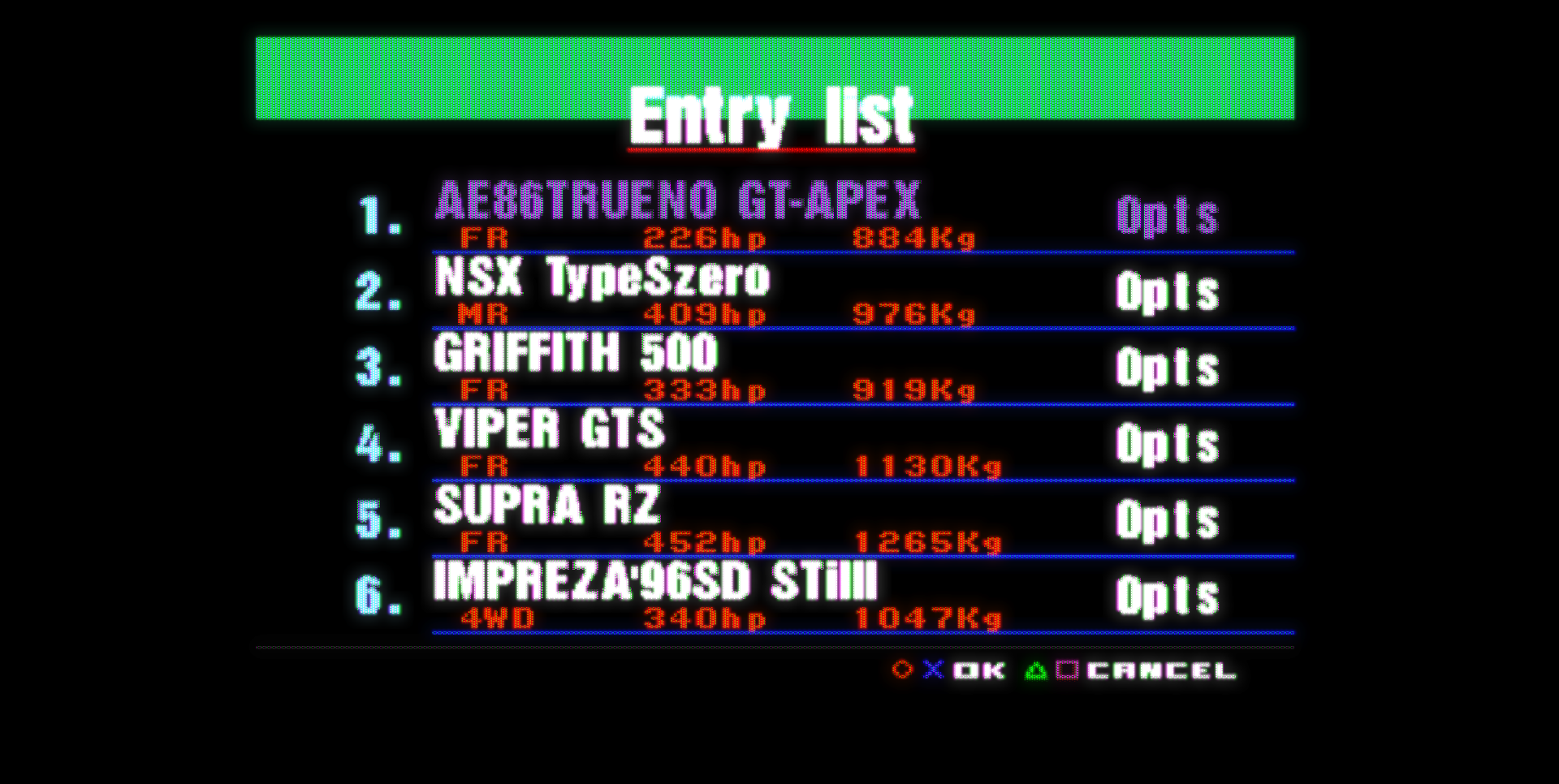
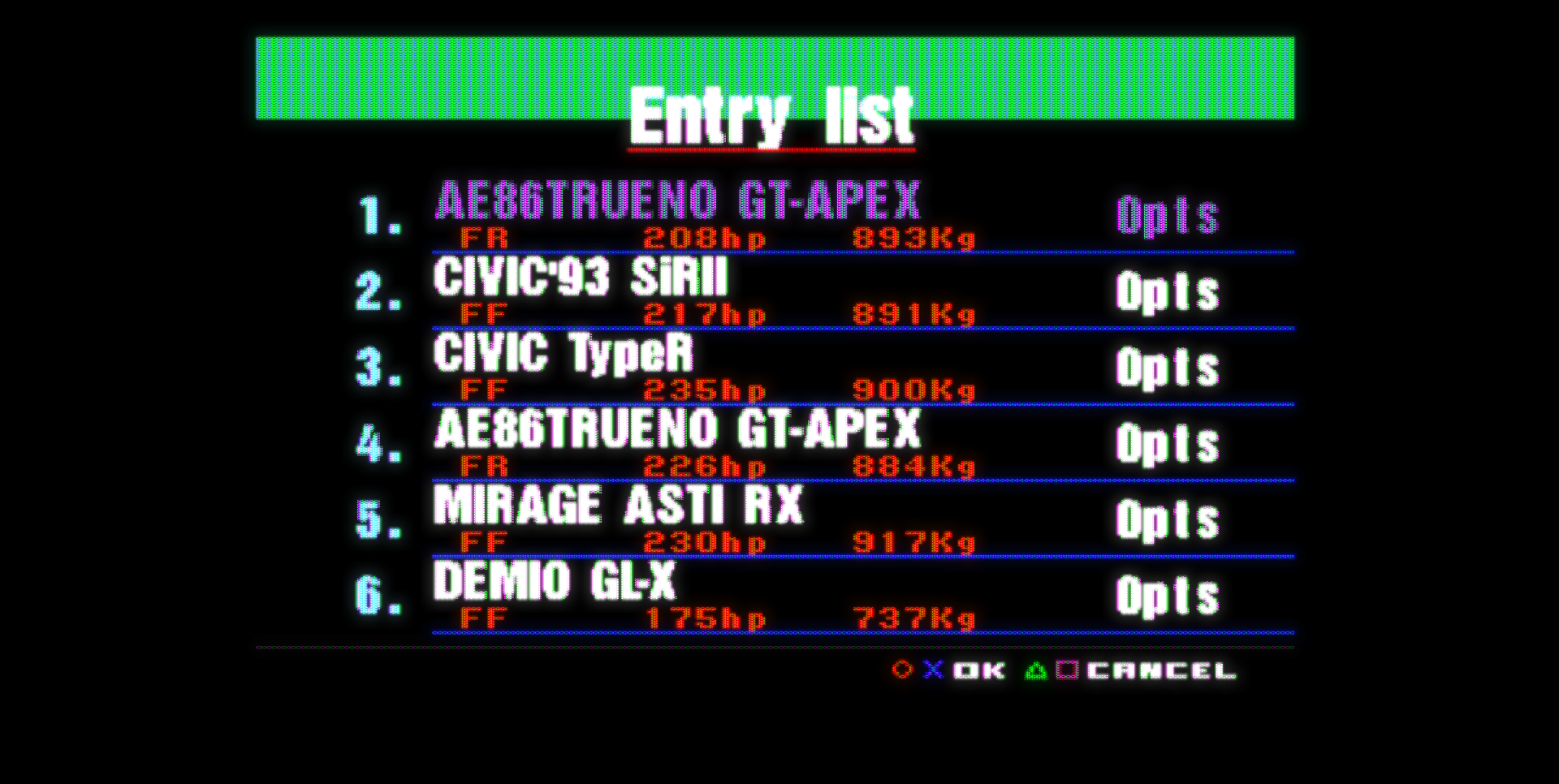
Once again, Tokyo R246 is the scene of the first race, and the opposition is provided by two Supras, two NSXs and a Viper. My AE86 is down on power, but not by too much - it's within 100hp of the Supras and NSXs, and is much lighter - so this might be doable.
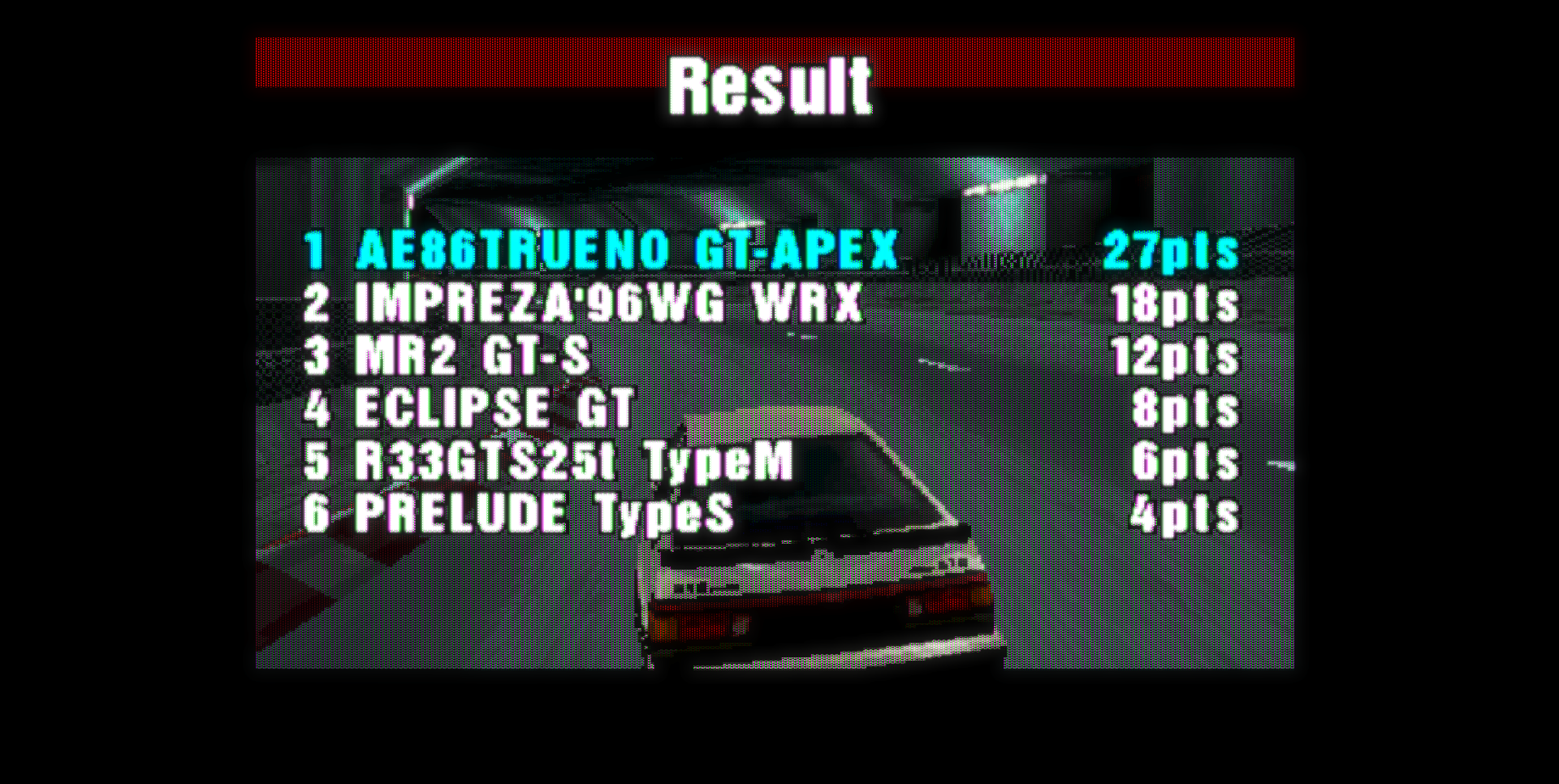
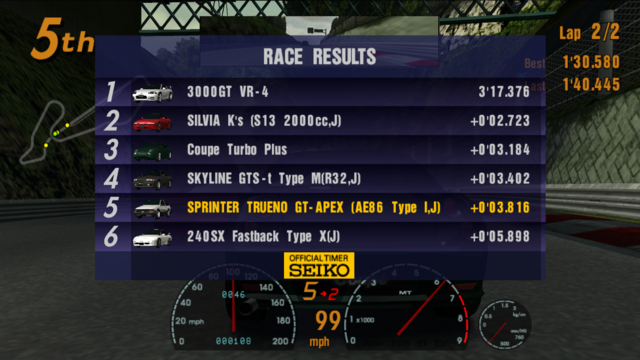
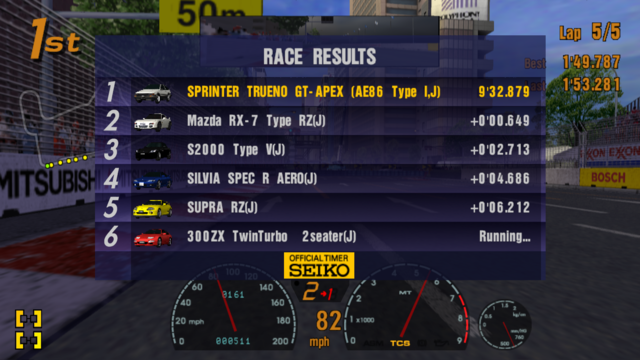
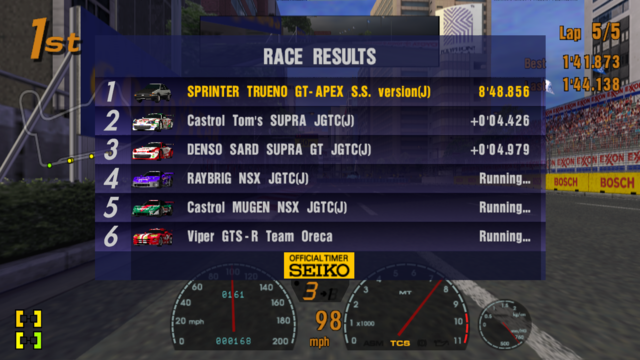
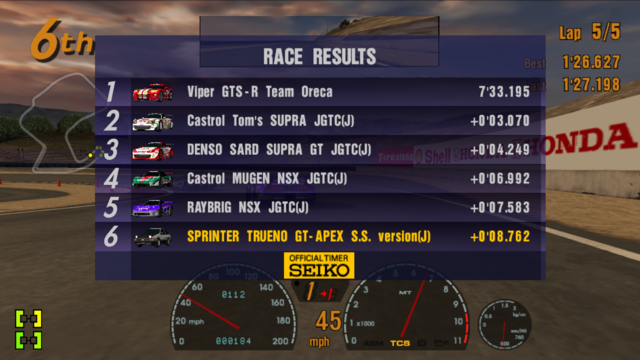
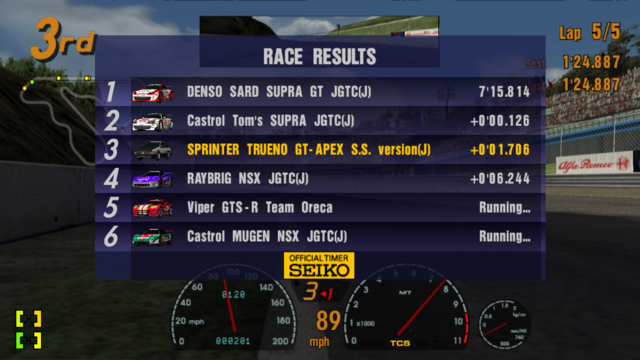
In qualifying, I put the car on the front row, but ominously, the Viper is over two seconds quicker. Sure enough, as the race starts, the Viper drives away from the field while I battle with the Supras and the Raybrig NSX for the first lap. But early in lap 2 I get clear of them and begin to chase down the Viper. Despite being the least powerful car on the grid, my AE86 has a surprising amount of straight-line speed, and early in lap 3 I get to within a second of the Viper. On lap 4, I overtake the Viper on the way into turn 1, but after I make a mistake at turn 5 (which Wolf Feather - a real authority on this era of racing games, and I hope he's doing well, whatever he's up to now - names "Sawa Bend" in his GT3 Tokyo R246 track guide, after the heroine of the anime Kite. For a while I thought "isn't that the Yasuomi Umetsu anime with the crazy bowling alley scene?" but it turns out that's from Mezzo Forte instead) the Viper regains the lead - only for it to pit for new tyres at the end of the lap, with just one lap to go. As a result, I end up winning the race comfortably, and it looks like a championship win is a genuine prospect. Race 2 at Laguna Seca is a different story, though, as the Viper wins on home tarmac while I finish last. Race 3 at Apricot Hill is somewhere in the middle, as the Denso Sard Supra comes out on top, while I finish third and the Castrol Tom's Supra takes a third consecutive second place.
(Meanwhile, the Viper finishes down in fifth, despite being the fastest car over a single lap, as it has to take a pit stop in this race as well. In real life, the Viper GTS-R was built and operated by French company Oreca, who won the GTS class at the 2000 Le Mans 24 Hours with the car, and are best known these days for the Oreca 07, which has become the de facto standard car in the LMP2 class in recent years. It's funny imagining them somehow not knowing to put a harder compound of tyre on the car to avoid a repeat of race 1.)
It looks like an exciting title chase is in prospect - but unfortunately it's not one I'll be part of, as I don't get on the podium again for the rest of the series.
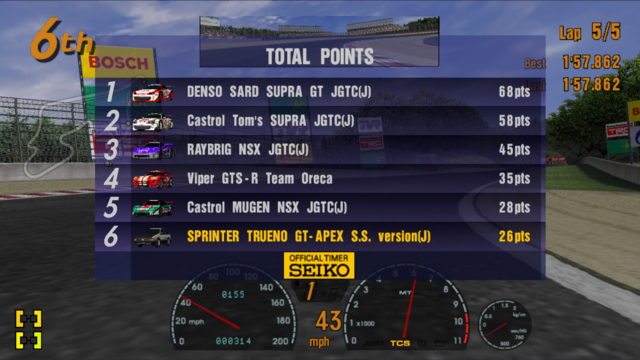
With the car being so far off the pace in the second half of the series in particular, I decide to end the run here. Maybe a more skilled driver, using a better setup, could get close to winning, but this looks to be beyond my skill level.
What Next?
The obvious next step is Gran Turismo 4 - but the structure of that game's single-player campaign, with numerous different types of cars that need to be raced just to be able to attempt the GT World Championship in that game, is highly unfriendly to this kind of playthrough. There is an excellent mod of GT4, Spec II, that changes things about so that you can at least, in theory, attempt the GT World Championship without having driven anything other than an AE86 (and the license test cars, I guess). But good luck beating this championship without a top-class race car. So I doubt that I'll go ahead with this, but we'll see.
Until next time...
Among the cars to make the transition was the AE86 Toyota Sprinter Trueno, so let's see what it can do in the higher-resolution, higher-framerate, and all-around smoother world of Gran Turismo 3.
(Quick aside: I have the Bathurst 12 Hours on in the background while writing this part of the post, and look at what I saw...)
(Quick aside 2: And as I'm writing *this* part of the post, the race has been and gone - and the Initial D Mercedes was leading, until its race ended in a massive crash caused by some seriously dodgy marshalling and officiating, hospitalising driver Ralf Aron. Oops!)
This playthough is being done on the NTSC-U version of GT3 on the PCSX2 emulator, and unlike the PS1 games, I will be using my Logitech G29 - GT3 was, controversially, not compatible with Namco's neGcon that had served players of PS1 racing games (and quite a few PS2 racing games, not least Namco's launch title Ridge Racer V) so well, but Polyphony Digital had something more ambitious in mind; they collaborated with Logitech to create the GT Force steering wheel, with advanced (for the time) features such as force feedback. And it just so happens that if you plug in a modern wheel such as a G29 (or, indeed, something more advanced), PCSX2 will treat it as a GT Force.
Starting Out
The first order of business is to buy our AE86, and... oh, we get 18,000 credits to play with this time? Don't get too excited, though - there is no used car dealership in GT3, so even with the extra 8,000 credits, the available cars are well down in performance compared what you could get in GT1 and GT2, and I'm paying 13,550 credits for the privilege of buying a car that has presumably been collecting dust in a forgotten corner of a Toyota dealership for over 15 years.
Nevertheless, one oil change later (a way of obtaining a cheap, albeit temporary, power boost), I take it to the Sunday Cup where I achieve three easy poles (since qualifying has returned from GT1) and three easy wins. My reward for this is... another AE86. I use the proceeds to buy some upgrades and enter race 1 of the Clubman Cup at Rome. Another pole position ensues, but I can only manage second in the race. I win race 2 at Special Stage Route 5, but then come fourth at Deep Forest.
Early Game Hell
Compared to previous GT games, progress in the early game is noticeably slower - the cars available to you at the start of the game are significantly slower, payouts are much lower, and instead of handing out prize cars for winning each race as in GT2, they are awarded on a per-series basis as in GT1. (Even more so in the Japanese version, as you start the game with 1.5 million credits - as all credit amounts are multiplied by 100 in the Japanese version, this effectively represents a one-sixth reduction in your starting money, and payouts are further reduced as well).
One option is to keep winning the Sunday Cup races over and over again - and I'd be surprised if that wasn't how most people handled the early game when they first played GT3 - but I'm trying to avoid this, and am happy to pick up credits from lower finishes, saving them up to buy tuning parts and gradually improve my results until I finally get the win.
I buy a few more upgrades and enter the FR Challenge, but the best result I can muster in the three races is a fourth at Special Stage Route 5. Nevertheless, I've picked up enough credits in the process that I can splash out on a significant upgrade: a stage 1 turbo kit, giving me another 50hp in one fell swoop. With my newly turbocharged AE86, I return to the Clubman Cup and make short work of the Rome race, although Deep Forest proves to still be a tough nut to crack. I then give the FR Challenge another go, and claim victory at Special Stage Route 5, although I can only manage third at Grand Valley and second at Apricot Hill.
Back to the '80s
Up to this point, I've been going without a licence - you can make quite a bit more progress without a licence in GT3 compared to the previous games, but the three events I've already attempted are all that are available to the AE86 until I obtain the B licence. After obtaining the licence, I head to the '80s Sports Car Cup and this is where the run really begins to open up. All three races are dispatched at the first attempt, and the reward is an FC RX-7 - which I sell, spending the proceeds on some minor upgrades, before finishing off the last race of the Clubman Cup and getting (and, more to the point, selling) the MX-5 prize car. Next on the mopping-up list are the FR Challenge races at Grand Valley and Apricot Hill. Hello Nissan Silvia, goodbye Nissan Silvia, hello 4,715 credits. Now I have a decision to make - do I swap out the turbo kit and tackle the awkwardly-titled Race of NA Sports, or press on and go for the only slightly less awkwardly-titled Race of Turbo Sports?
Turbo Lover
In the end, I decide on the latter - and the first race at Midfield Raceway goes well until I spin out on the second lap, after which I have to make do with fifth. Race 2 takes place at the Test Course, which is not the same Test Course from the PS1 games. It's about twice as long, and gets quite a bit more use in actual races, including a particularly absurd example in the Professional League Yaris Race, where you will be completing ten tours of this 10km behemoth. Even in a maxed out Yaris, that's about half an hour of turning left and going... actually pretty slowly, by Professional League standards. In any case, despite having the least powerful car on the grid, I make my move at just the right time and keep the Mitsubishi 3000GT, with a 100hp advantage, at bay to win by less than a tenth of a second. On paper, race 3 at Special Stage Route 11 - returning from GT1, albeit with an altered layout that bypasses the absolutely brutal chicane from the original version - should be a routine win, but I finish a distant second behind the 3000GT.
Au Naturel
I swap the turbo for an NA tuning kit and enter the Race of NA Sports - this turns out to be much more fruitful as I win all three races first try. This, combined with the credits from selling the prize car (a Honda CRX del Sol) allows me to return to turbo land with a stage 2 turbo kit, taking my car to 262hp as I give the remaining Race of Turbo Sports races another go. Special Stage Route 11 is conquered, but once again a spin on lap 2 scuppers my chances at Midfield Raceway.
At this point I have an idea: I get the R licence - the rally events have their own licence in GT3 - and attempt the wet weather races at Special Stage Route 5 (specifically, the first races - out of three - on each of the forward and reverse layouts), based on vague memories of seeing a tip in an issue of CVG (although I can't find the issue in question) from the time identifying them as a good way to make quick progress in the early game. The opposition comes in the form of Lancer and Impreza rally cars, and while I run them close, I'm not quite able to get the win on either occasion.
After some more minor upgrades and setup tweaks, I finally secure victory at Midfield in the Race of Turbo Sports, before my first attempt at the Beginner League GT World Championship.
The End of the Beginning?
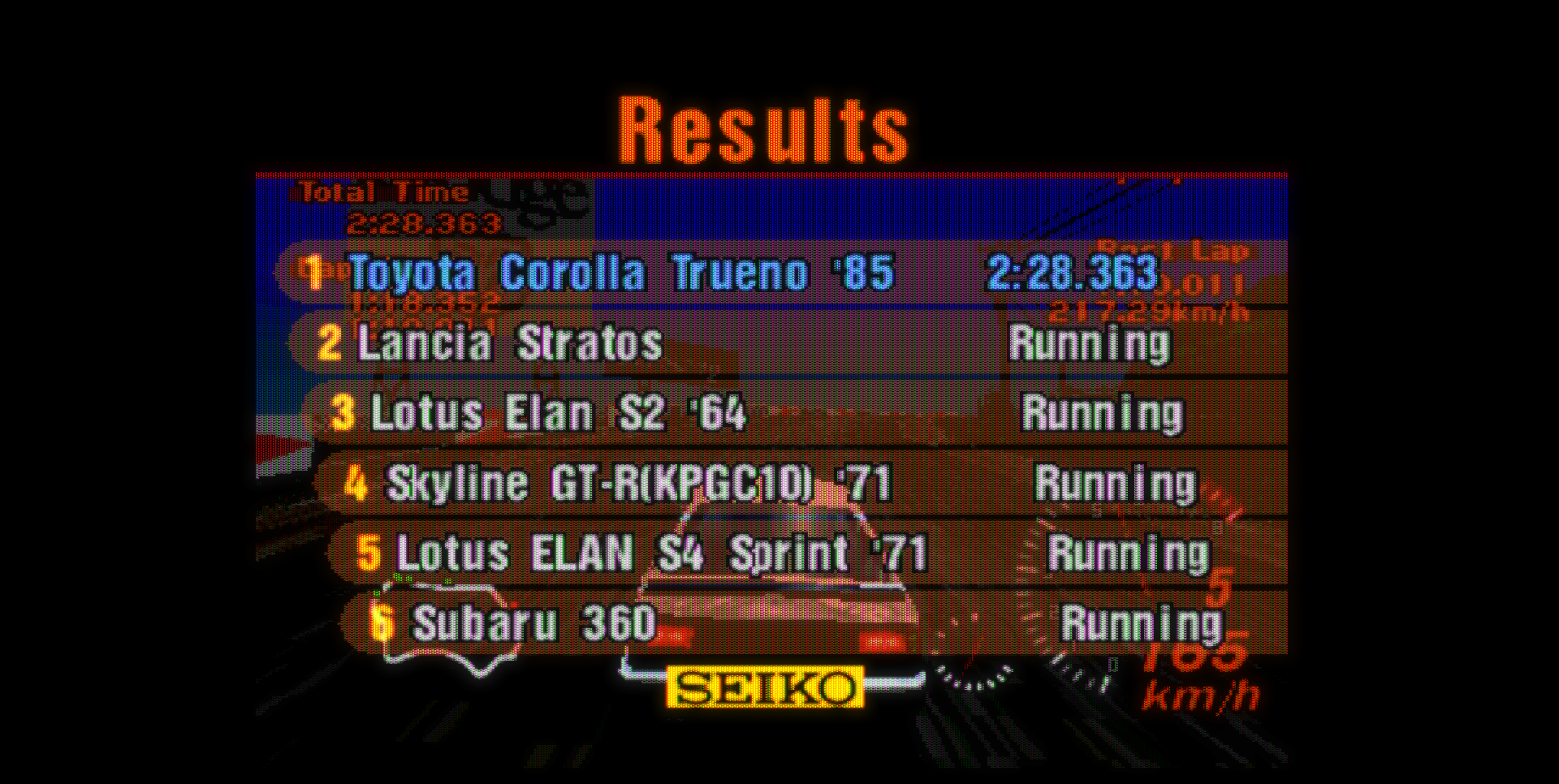
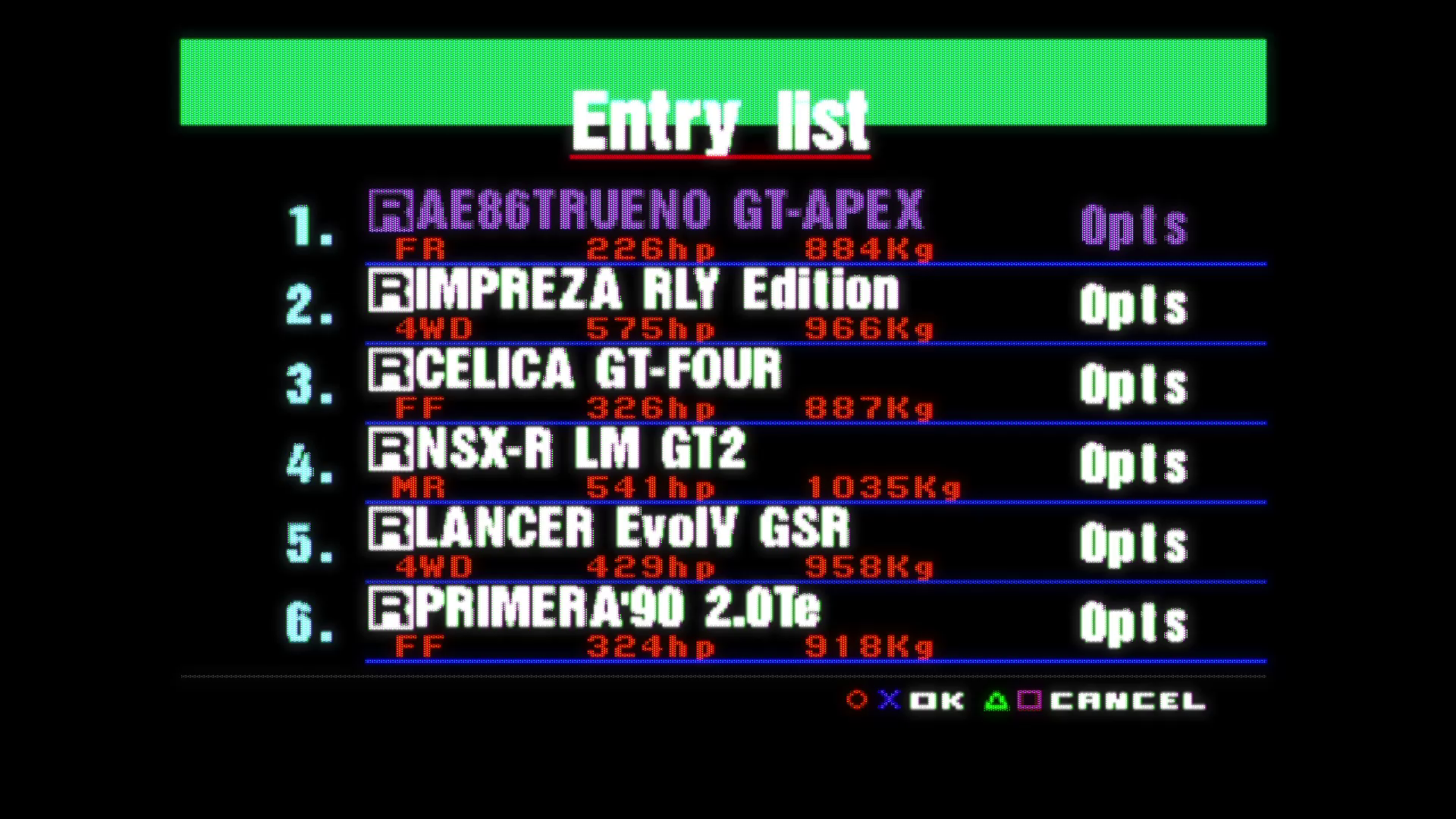
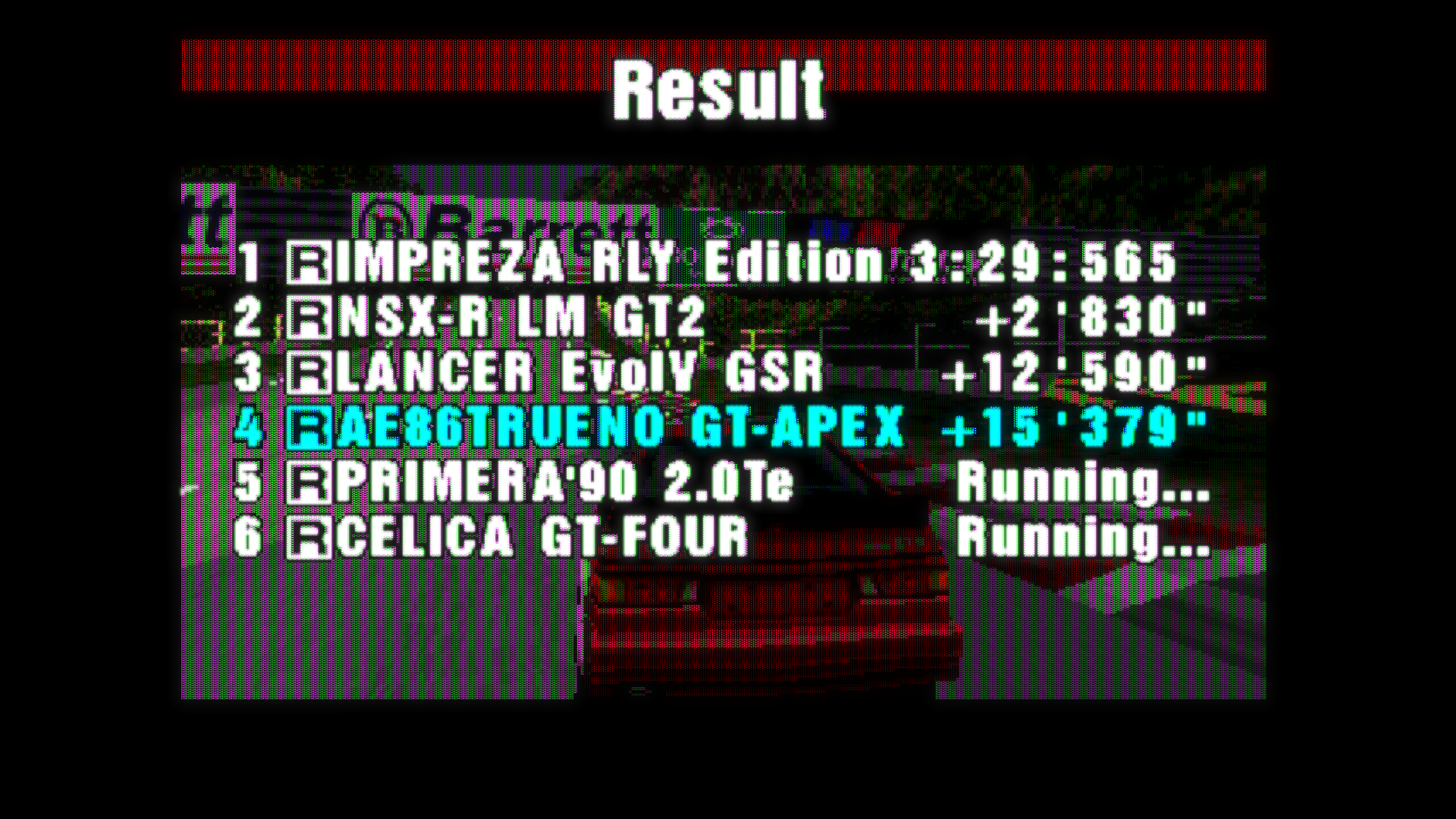
The GT World Championship in GT3 is a ten-race series against different opponents, depending on the league; in the Beginner League version, you're up against mostly rally cars, with other low-end race cars such as GT300s sprinkled in. The first race, at Tokyo R246, is a success.
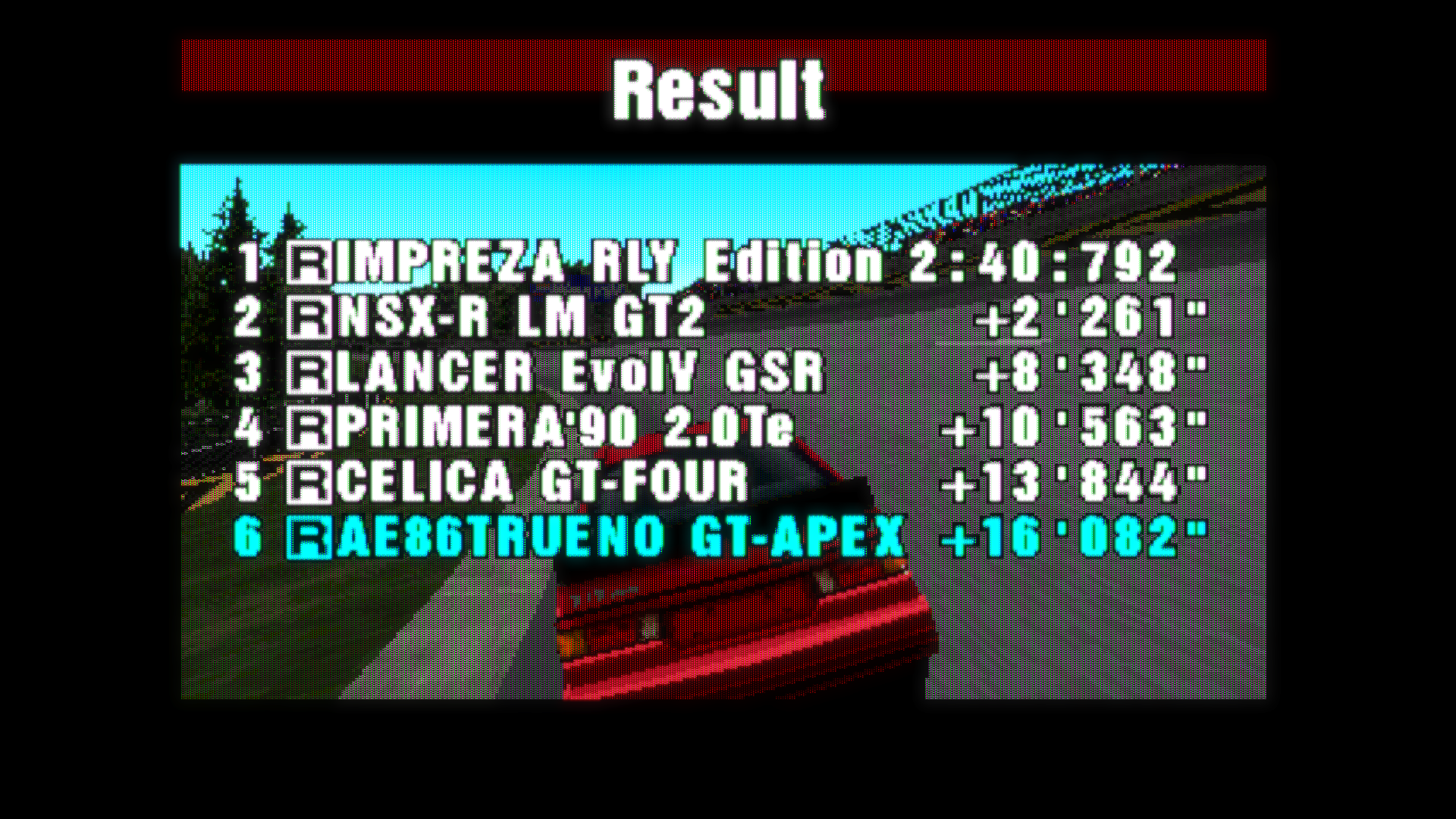
As is the second race, at Super Speedway:
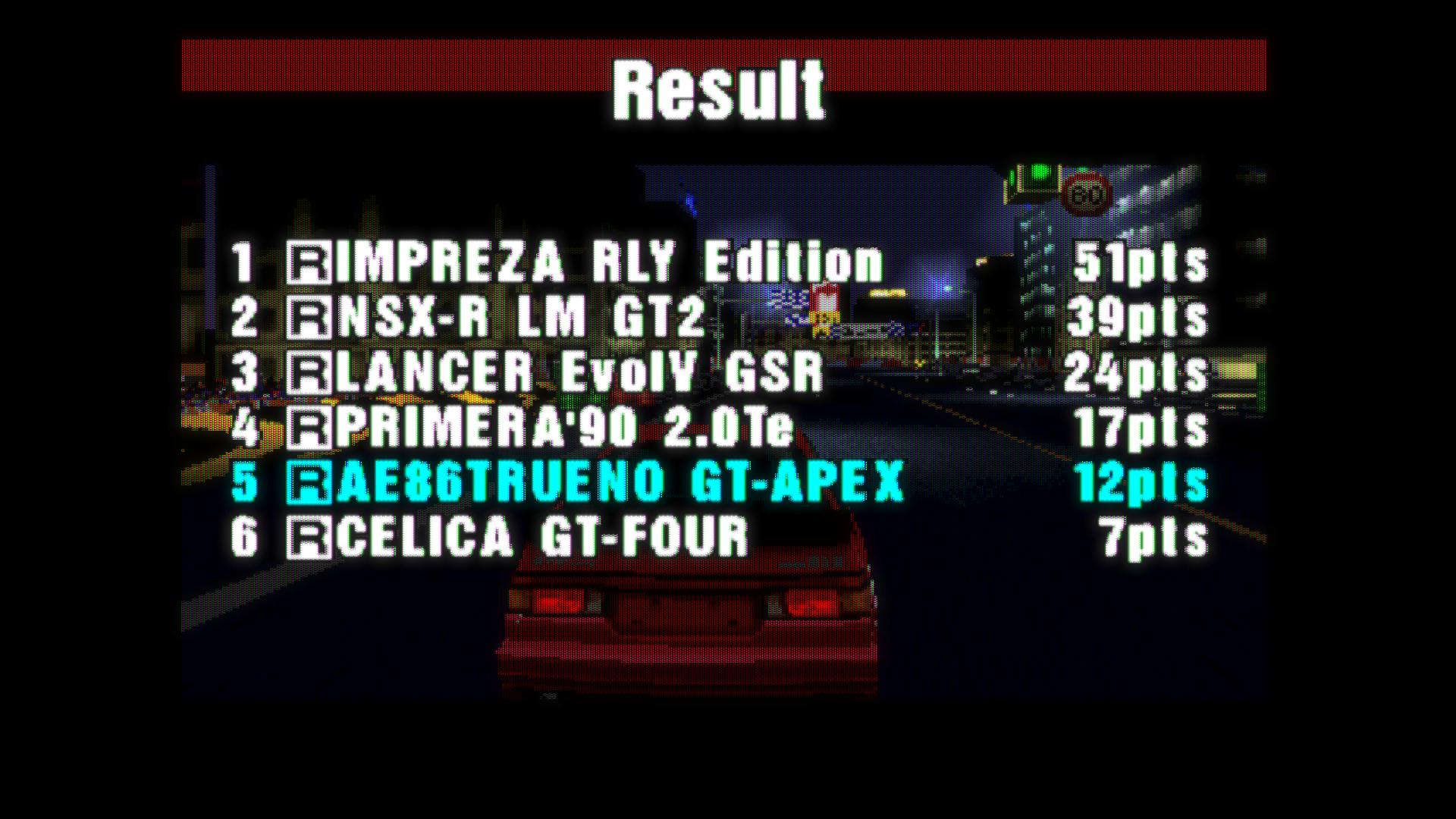
The third race, at Trial Mountain, though, is a different story. As are the fourth through tenth races. The end result is fifth place in the championship. Still, I'm over 20,000 credits richer thanks mainly to those first two races, so I buy some more upgrades and see what progress I can make in the rain races and the Amateur League. I manage to beat the Lancer in the first of the forward-layout SSR5 rain races, although victory against the Impreza eludes me on the reverse layout.
Amateur Hour
After dipping my toes into the Amateur League '80s Sports Car Cup and FR Challenge, I take on the Japan Championship, a five-race series against cars such as the Honda NSX, Toyota Supra, and Nissan Skyline - essentially, the top tier of Japanese performance cars at the time. In race 1 at Tokyo R246, I beat the NSX in a photo finish before a more convincing win at Super Speedway. The NSX fights back with wins at Apricot Hill and Special Stage Route 11, setting up a winner-takes-all showdown at the Tokyo R246 reverse layout, which I win by just under a second.
After selling the prize car - a Subaru Impreza Wagon - I now have enough to buy all the remaining upgrades and make another attempt at the Beginner League GT World Championship. The first two races go according to plan with two wins, but in the third race at Trial Mountain I come 5th. At least that's an improvement on last time, I guess? Unfortunately, I finish no higher than third in the rest of the championship, as the Toyota MR-S dominates the rest of the series, and I spin out too many times trying to keep up.
Lightning McQueen real? No, just a Toyota MR-S GT300 car, similar to the one that's been giving me so much trouble in the GT World Championship. This example is from the 2008 Super GT season, which, interestingly enough, was the same season in which another racing institution made its debut: the Hatsune Miku car, now a Mercedes AMG GT3 but initially a BMW Z4.
It's clear that even a fully-tuned car isn't going to be enough, but just like in GT2, there is a plan B. I go back to the Amateur League FR Challenge, and with the car having been upgraded since my previous attempt, I am able to win all three races. My reward is...
This is a custom-built AE86 owned by Initial D creator Shuichi Shigeno, with significantly beefed-up performance compared to the base model. At just 825kg it's already lighter then my fully-upgraded AE86, although with just 207hp some power upgrades will be required before it's competitive in the GT World Championship. With the credits at my disposal I am able to get it to 249hp and 800kg, along with various handling and drivetrain-related upgrades.
Back to the '80s (Again)
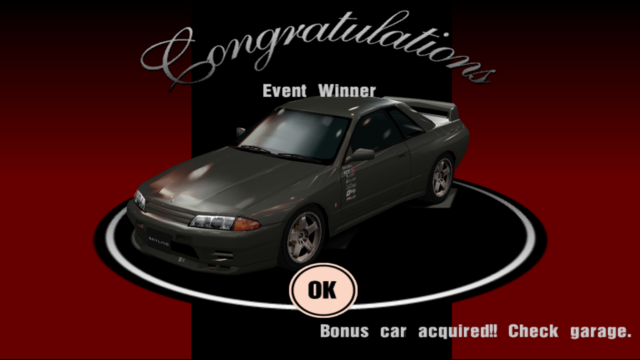
I take it to the Amateur League '80s Sports Car Cup, and right away this feels much better to drive than my previous car. Three wins later, my reward is a tuned R32 GT-R. Next up is the Amateur Race of NA Sports - three more wins and a Mazda RX-8 (still just a concept car in 2001). That gives me enough credits to buy the rest of the upgrades for this car - surely this should be enough to conquer the Beginner GT World Championship?
Third Time's the Charm
I'm off to a good start, as the first two races are won by overwhelming margins, but a mistake at Trial Mountain hands the win to the MR-S. But - although none of the subsequent races are as lop-sided as the first two, I win the lot of them to take the championship with races to spare.
With the main goal of this run complete, where do I go from here? How about the Amateur GT World Championship? Instead of rally cars and GT300 cars, I'll be up against GT500 cars (the likes of the Nissan Skyline, Honda NSX, and Toyota Supra - and the Lamborghini Diablo as well, but only in the Japanese version) as well as cars from other GT racing series such as the Dodge Viper GTS-R. Races are longer, too, at five laps of each track, and tyre wear is now a factor - you can't just put the super-softs on and speed through the corners (unlike the first two GT games, where tyre wear only applied in endurance races and the type of tyre you used made no difference to the tyre wear).
Once again, Tokyo R246 is the scene of the first race, and the opposition is provided by two Supras, two NSXs and a Viper. My AE86 is down on power, but not by too much - it's within 100hp of the Supras and NSXs, and is much lighter - so this might be doable.
In qualifying, I put the car on the front row, but ominously, the Viper is over two seconds quicker. Sure enough, as the race starts, the Viper drives away from the field while I battle with the Supras and the Raybrig NSX for the first lap. But early in lap 2 I get clear of them and begin to chase down the Viper. Despite being the least powerful car on the grid, my AE86 has a surprising amount of straight-line speed, and early in lap 3 I get to within a second of the Viper. On lap 4, I overtake the Viper on the way into turn 1, but after I make a mistake at turn 5 (which Wolf Feather - a real authority on this era of racing games, and I hope he's doing well, whatever he's up to now - names "Sawa Bend" in his GT3 Tokyo R246 track guide, after the heroine of the anime Kite. For a while I thought "isn't that the Yasuomi Umetsu anime with the crazy bowling alley scene?" but it turns out that's from Mezzo Forte instead) the Viper regains the lead - only for it to pit for new tyres at the end of the lap, with just one lap to go. As a result, I end up winning the race comfortably, and it looks like a championship win is a genuine prospect. Race 2 at Laguna Seca is a different story, though, as the Viper wins on home tarmac while I finish last. Race 3 at Apricot Hill is somewhere in the middle, as the Denso Sard Supra comes out on top, while I finish third and the Castrol Tom's Supra takes a third consecutive second place.
(Meanwhile, the Viper finishes down in fifth, despite being the fastest car over a single lap, as it has to take a pit stop in this race as well. In real life, the Viper GTS-R was built and operated by French company Oreca, who won the GTS class at the 2000 Le Mans 24 Hours with the car, and are best known these days for the Oreca 07, which has become the de facto standard car in the LMP2 class in recent years. It's funny imagining them somehow not knowing to put a harder compound of tyre on the car to avoid a repeat of race 1.)
It looks like an exciting title chase is in prospect - but unfortunately it's not one I'll be part of, as I don't get on the podium again for the rest of the series.
With the car being so far off the pace in the second half of the series in particular, I decide to end the run here. Maybe a more skilled driver, using a better setup, could get close to winning, but this looks to be beyond my skill level.
What Next?
The obvious next step is Gran Turismo 4 - but the structure of that game's single-player campaign, with numerous different types of cars that need to be raced just to be able to attempt the GT World Championship in that game, is highly unfriendly to this kind of playthrough. There is an excellent mod of GT4, Spec II, that changes things about so that you can at least, in theory, attempt the GT World Championship without having driven anything other than an AE86 (and the license test cars, I guess). But good luck beating this championship without a top-class race car. So I doubt that I'll go ahead with this, but we'll see.
Until next time...